News Summary
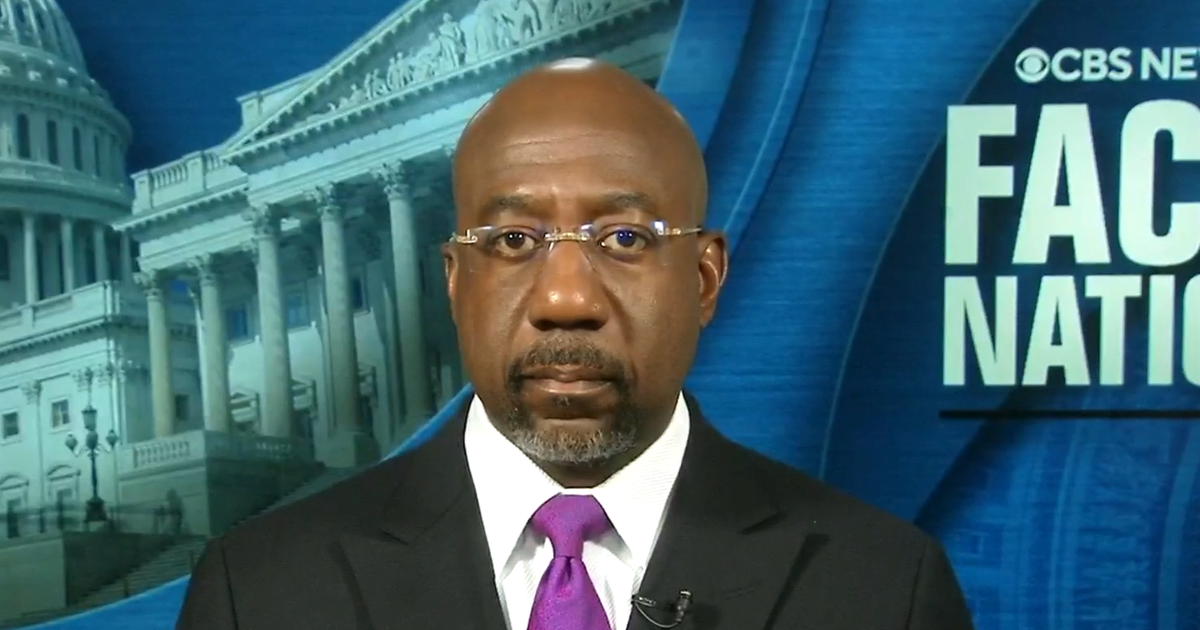
Sen. Raphael Warnock (D–Ga.) responded to a recent Supreme Court decision that struck down Louisiana's congressional map and narrowed how the Voting Rights Act (VRA) is applied. Warnock called the ruling "a massive and devastating blow" and said it will intensify partisan redistricting efforts. The Court's conservative majority held that compliance with Section 2 could not justify the use of race in drawing the state's House districts, a decision that observers say will make Section 2 challenges by minority voters and voting-rights groups more difficult. Warnock said recent redistricting activity—citing pressure by former President Trump on Texas lawmakers and counteractions by Democrats in states such as California and Virginia—has produced an "arms race" in mapmaking. He urged a ban on partisan gerrymandering and warned that the decision will disproportionately harm people of color, citing past changes to the VRA (including the 2013 high-court decision that ended Section 5 preclearance) and ongoing practices like moving or closing polling places. The article notes that some Republican governors have signaled interest in special legislative sessions to redraw maps in response to the ruling.
Biblical Reflection
This story highlights a legal ruling with heavy practical and moral consequences: it affects who is represented in government and how political power is shaped. Warnock frames the outcome as a setback for racial equity and democratic voice; that perspective is grounded in a longstanding concern about disenfranchisement and historical patterns of exclusion. At the same time, parts of his rhetoric—"arms race," "21st Century Jim Crow"—are strong moral language used to mobilize political opposition; such language can be truthful about real harms but should be weighed carefully and verified against evidence in each case. Christians should notice two things: first, the biblical mandate to pursue justice for the vulnerable (which includes equitable access to political voice); second, the call to prudence and truth-telling in public speech. Practically, the decision will shift disputes from Section 2 litigation toward other legal and legislative strategies; calls to ban partisan gerrymandering are a policy response that aims at structural fairness. As you read this news, distinguish legal fact (what the Court ruled and its immediate legal effect) from partisan interpretation about motives and long-term outcomes. Hold both the legitimate concern for protecting minority voices and the need for measured, fact-based advocacy in tension. Ultimately the Christian aim is not merely victory for one party but the flourishing of neighborly justice, honest public discourse, and institutions that allow all citizens to be heard.
Scripture in context
This outlook does not yet include contextual Scripture citations. Do not treat a general biblical theme as an exegetical conclusion.
Faithful Response
No prescribed response is offered. Consider the reflection prompts below in your own church context.
Reflection and Discussion
- 1How does the article separate legal facts (the Court's ruling and its immediate effects) from political interpretation and moral rhetoric, and which claims would you want to verify independently?
- 2Which policies or reforms (for example, banning partisan gerrymandering, strengthening voter access laws, or better enforcement of anti-discrimination statutes) best align with the biblical call to act justly while preserving civil order?
- 3In public discourse about voting and race, where is the line between prophetic moral witness (calling out injustice) and partisan amplification, and how can Christians practice both discernment and courage in that space?
Sources
Reporting links are evidence inputs; Sanctuary News' biblical reflection is commentary.
This outlook currently relies on fewer than two linked sources. Broaden verification before teaching from it.
- 1.Original reportprimary