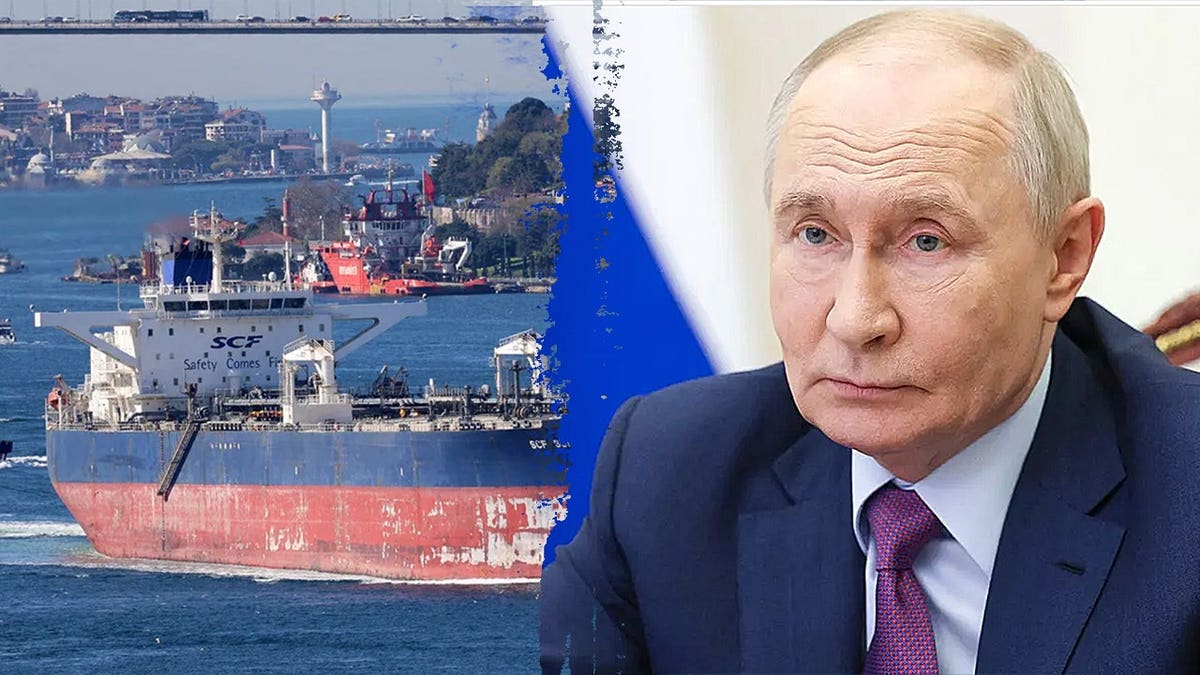
News Summary
Reported facts: Fox News published an opinion column by Sen. Rand Paul criticizing a proposed U.S. Russia sanctions bill. Attributed claims: The column claims the bill could authorize tariffs up to 500%, cost Americans about $500 billion, and affect roughly 40% of the global population. Opinion/assertion: The author asserts the bill will not stop Putin and will instead hurt Americans. Uncertainty: The article does not include the legislative text, independent cost estimates, or third‑party analysis verifying the numerical claims.
Source and Framing Analysis
This is an op-ed (single-author opinion) published by a partisan outlet. Its frame emphasizes domestic economic harm and uses large numeric claims to underscore risk. Material uncertainties that affect the story include whether the bill actually contains the asserted tariff authorities, how any tariff scheme would be implemented, and what impartial economic modeling (e.g., CBO, independent trade economists) would project for costs—none of which are provided in the column. The piece therefore functions more as political argument than as complete policy reporting.
Biblical Reflection
The article voices a moral-political concern: that policy intended to punish wrongdoing abroad can carry heavy and unintended costs at home. Christians are called to weigh competing goods—seeking justice for the vulnerable and oppressed, protecting the common good, and acting with humility about unintended harms. A posture of prudence and truth-seeking is appropriate when a public claim about large economic consequences is made in a partisan opinion piece.
Because this is an op-ed by a sitting senator, the piece blends policy argument and political advocacy. Its core questions—Will these measures deter aggression? Who bears the economic burden?—are legitimate and deserve careful, evidence-based public debate rather than emotive or absolute conclusions. Christians should resist simplistic frames that set foreign accountability and neighbor-care in opposition; faithful civic engagement requires championing both protection for victims abroad and compassion for those domestically who could be hurt by economic fallout.
Practical Christian response begins with discernment: seek the primary legislative text and impartial analysis, pray for wisdom for leaders, and advocate for policies that pursue justice without unnecessary harm to the vulnerable. In public conversation, model humility, truthfulness, and charity: challenge exaggeration where it exists, but also name the real costs borne by ordinary people when policies are poorly designed.
Scripture in context
- 1Luke 6:31 (Golden Rule) — In the Sermon on the Plain (Luke's parallel to the Sermon on the Mount), Jesus instructs his followers to treat others as they would like to be treated, extending love and justice beyond one's immediate circle, including enemies and outsiders. — Applied to public policy, this passage calls Christians to advocate for measures that reflect concern for both foreign victims and domestic neighbors; policies should be evaluated by how they treat the vulnerable across borders as well as at home.
Faithful Response
Read the primary source: locate the bill text and any official cost or legal analyses before accepting numerical claims.
Pray for leaders and for victims of violence, then contact your representatives with questions that seek clarity rather than partisan talking points.
Support concrete humanitarian aid for those harmed by aggression while urging careful policy design to limit harm to ordinary citizens (e.g., targeted sanctions, exemptions for essential goods).
Avoid amplifying unverified figures; model truth-telling and humility in partisan conversations.
Reflection and Discussion
- 1Are you holding public claims to the same evidentiary standard you expect of other truths?
- 2In this debate, who are the most vulnerable people whose needs could be overlooked, and how should their welfare shape policy choices?
- 3How can Christians combine truth-telling with mercy when discussing policies that affect both foreign victims and domestic households?
Sources
Reporting links are evidence inputs; Sanctuary News' biblical reflection is commentary.
This outlook currently relies on fewer than two linked sources. Broaden verification before teaching from it.
- 1.SEN RAND PAUL: DC's Russia sanctions bill won't stop Putin — but it will hurt youprimary_reporting