News Summary
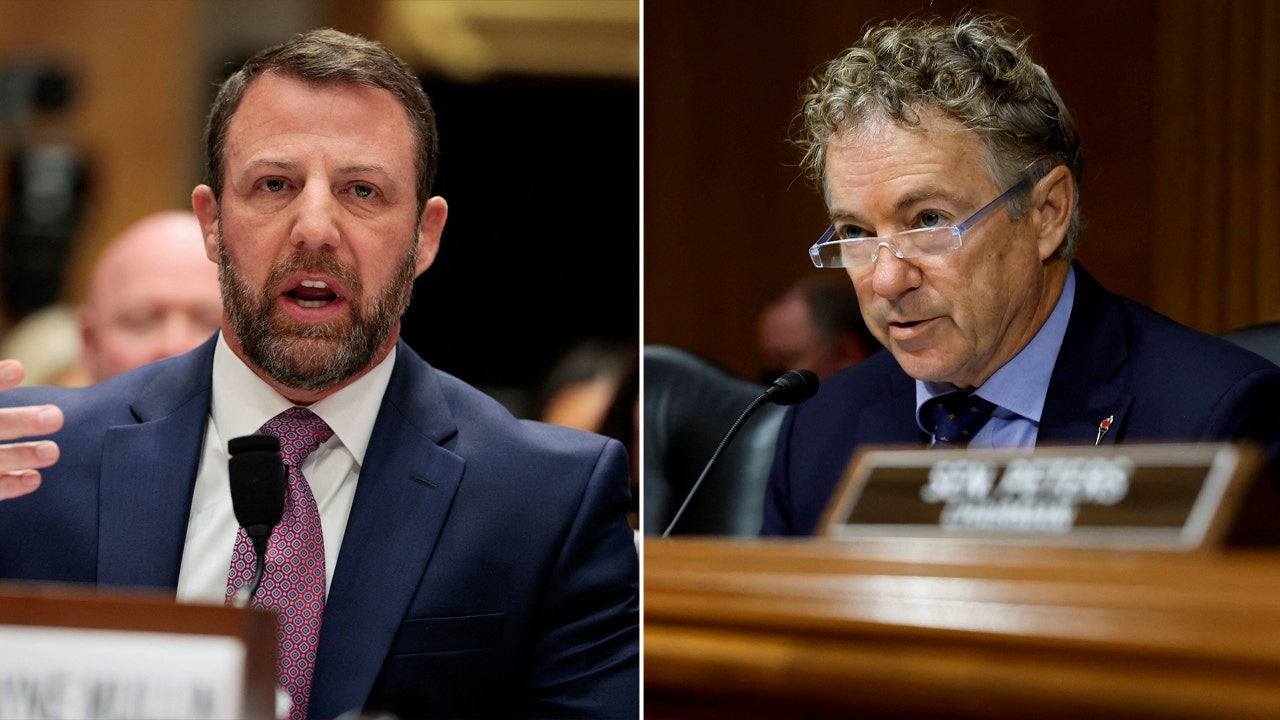
At the Senate Homeland Security confirmation hearing for Senator Markwayne Mullin, Senator Rand Paul used his opening statement to confront Mullin over past remarks. Paul accused Mullin of having excused or shown understanding for a 2017 violent assault against Paul by a neighbor, and challenged Mullin to repeat those comments to his face. Mullin responded that his earlier comment was made in private, that he is blunt and direct, and that he would not speak behind Paul's back; he pledged to set aside personal differences if confirmed and to protect all states as Homeland Security secretary. Paul pressed that Mullin showed no contrition. The hearing included procedural friction — Paul blocked a senator from introducing Mullin — and drew criticism from other Republicans about Paul's conduct. The exchange highlights a personal feud spilling into a high-profile confirmation process and raises questions about civility, accountability, and fitness for leadership.
Biblical Reflection
Viewed through Scripture, this exchange exposes several moral concerns and opportunities. First, any suggestion of excusing violence is seriously contrary to the biblical witness. Scripture calls for peace-making, protection of the vulnerable, and rejection of vengeance (for example, Matthew 5:9; Romans 12:17-21). If a leader appears to normalize or minimize physical assault, Christians should press for accountability and clear repentance. Second, the mode of confrontation matters. Jesus gives a model for addressing offenses that prioritizes private correction and restoration before public airing (Matthew 18:15), even as public leaders must sometimes be held accountable publicly for statements that affect the common good. Third, both parties show traits Scripture warns against: pride, strife, and a relish for public humiliation of rivals (Proverbs warns against a harsh tongue and divisive speech). Leaders are called to humility, to shepherd rather than to tear down (1 Peter 5:2-3; Titus 1:7).
The faithful response is not to cheer partisan scorched-earth tactics on our side or to excuse them on the other. We should demand truth, repentance, and a clear rejection of violence. Christians should also model and encourage restorative approaches: seek the facts, call for honest apology where needed, and press those nominated for positions of public trust to demonstrate temperance, respect for human dignity, and a commitment to peace. Finally, remember that civility is not the same as compromise with wrongdoing — calling out misconduct is necessary, but it should aim at repentance and restoration, not revenge or spectacle.
Scripture in context
This outlook does not yet include contextual Scripture citations. Do not treat a general biblical theme as an exegetical conclusion.
Faithful Response
No prescribed response is offered. Consider the reflection prompts below in your own church context.
Reflection and Discussion
- 1Am I more ready to defend my side or to seek truth, repentance, and reconciliation when leaders sin or fail?
- 2Have I ever excused harsh words or actions because they were aimed at someone I dislike? How does that align with Christ's call to love enemies?
- 3If I were in a position of leadership, how would I balance public accountability with the call to restore those who repent?
Sources
Reporting links are evidence inputs; Sanctuary News' biblical reflection is commentary.
This outlook currently relies on fewer than two linked sources. Broaden verification before teaching from it.
- 1.Original reportprimary