News Summary
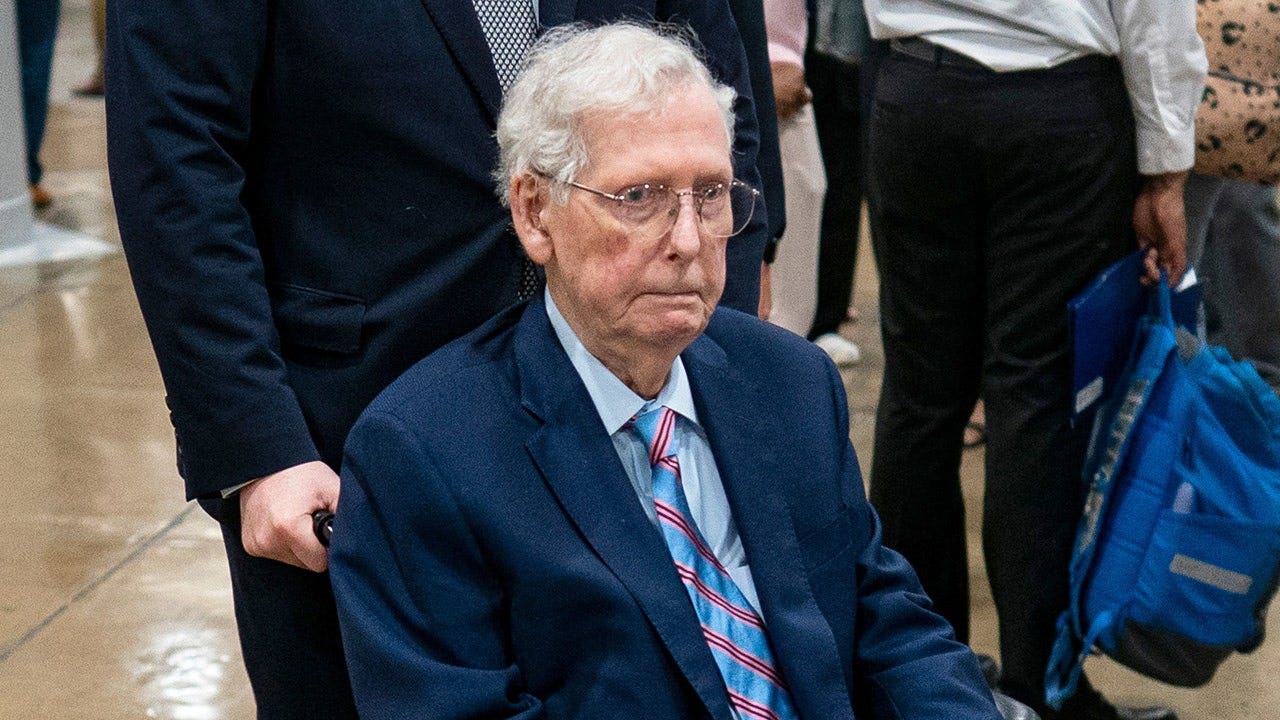
Sen. Mitch McConnell (R‑Ky.) will not cast votes in the Senate this week while he continues recovering from a recent hospitalization, his spokesman David Popp said. The office said McConnell remains involved in Senate and Kentucky matters with staff but offered no medical details. McConnell, 84, was hospitalized earlier this month for an undisclosed reason; he spent eight days in the hospital earlier this year with "flu‑like symptoms." The article notes McConnell's long tenure in the Senate (in office since 1985), prior health incidents including falls and a 2023 concussion, his childhood bout with polio, and that he is not seeking re‑election to an eighth term. The piece also names the major contenders in the Kentucky Senate race (Rep. Andy Barr and Charles Booker).
Biblical Reflection
From a Christian vantage point, this report calls us to balance civic concern with compassion. It is reasonable for citizens to notice how a lawmaker’s health might affect governance, votes, and representation; at the same time, reporting that emphasizes medical episodes without clear facts can invite speculation and undermine human dignity. The article sticks to reported statements but leaves important questions unanswered (cause of hospitalization, duration of absence), which can fuel partisan assumptions. Christians are called to seek truth and to speak with humility: press for necessary transparency about public duties while resisting rumor, ageist assumptions, or schadenfreude. Pray for clear information where the public has a legitimate need to know, for mercy toward an aging leader, and for wise stewardship from colleagues who must carry responsibilities in his temporary absence.
Scripture in context
This outlook does not yet include contextual Scripture citations. Do not treat a general biblical theme as an exegetical conclusion.
Faithful Response
No prescribed response is offered. Consider the reflection prompts below in your own church context.
Reflection and Discussion
- 1What information does the public legitimately need about an elected official’s health to assess governance, and where does the right to privacy begin?
- 2How might media emphasis on prior health incidents shape public assumptions about capacity—are we approaching this with compassion or with ageist bias?
- 3When a leader is absent, do our immediate reactions reflect a desire for justice and accountability or political advantage?
Sources
Reporting links are evidence inputs; Sanctuary News' biblical reflection is commentary.
This outlook currently relies on fewer than two linked sources. Broaden verification before teaching from it.
- 1.Original reportprimary