News Summary
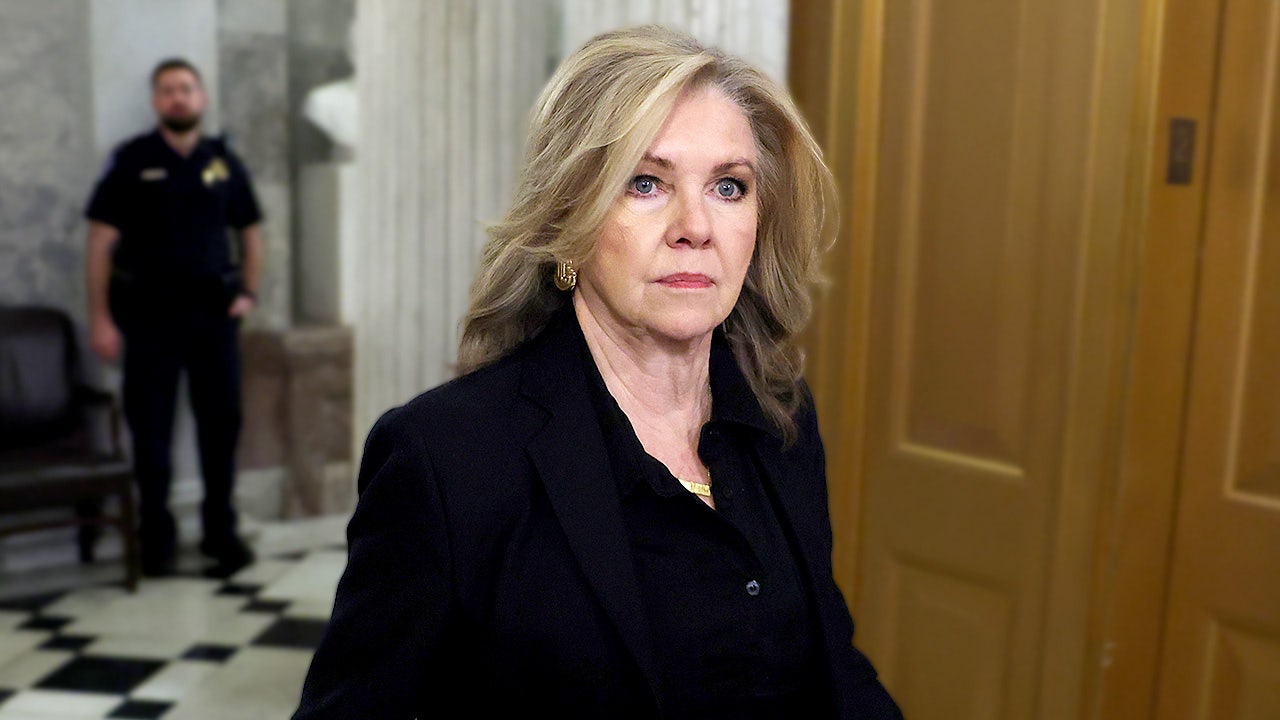
Sen. Marsha Blackburn (R‑Tenn.), chair of the Senate Commerce Subcommittee on Consumer Protection, Technology, and Data Privacy, led a hearing titled “No Sure Bets: Protecting Sports Integrity in America” that examined the rapid expansion of legal sports betting and the emergence of sports-related prediction markets. Witnesses and senators discussed the legal and practical distinctions between traditional sportsbooks and prediction markets, which some firms and advocates say fall under Commodity Futures Trading Commission (CFTC) jurisdiction while critics call them a form of unregulated national sports betting. Testimony addressed concerns about gambling addiction (including microbetting), youth exposure to gambling advertising on social media, and recent integrity scandals in professional and college sports, including an indictment involving two Cleveland Guardians pitchers. Industry representatives (e.g., American Gaming Association) argued prediction markets undercut state and tribal regulatory frameworks; advocates for prediction markets (e.g., Coalition for Prediction Markets) said they operate as participant-to-participant exchanges that charge fees rather than set odds. State regulators such as Tennessee’s Sports Wagering Council described actions taken locally—bans on certain college player prop bets and investigations of suspicious wagering—and noted referrals to law enforcement. Blackburn said Congress must decide what role, if any, federal regulation should play versus state authority and indicated Wednesday’s hearing was likely the first of multiple hearings on the topic.
Biblical Reflection
From a Christian perspective, this story raises two clear moral concerns: the protection of vulnerable people (especially youth) and the preservation of honest, fair competition. The hearing centers on legitimate questions of justice and stewardship—how to prevent exploitation (addiction, targeting minors) and how to preserve integrity in institutions (sports leagues, schools). The article largely reports procedural and policy disagreements without advancing moral absolutes, but its focus on regulation and consumer protection aligns with biblical priorities to defend the weak and pursue honest dealings. Be aware of institutional and economic biases: industry groups defending state-regulated gambling have financial incentives to maintain the status quo, while prediction‑market advocates emphasize innovation and legal technicalities that may minimize social harms. Congressional debate about federal vs. state authority also has a worldview dimension: appeals to “market freedom” and innovation can obscure social costs, while blanket regulatory responses risk unintended consequences (driving activity offshore or into illicit markets). A faithful Christian response in the public square should prioritize truth, protect children and those struggling with addiction, and weigh prudently the limits of liberty when communal goods (public morals, fair competition, public health) are at stake. Christians should also ask for wisdom for lawmakers (James 1:5), compassion for those harmed by addiction, and honesty from markets and institutions that profit from sports and gambling.
Scripture in context
This outlook does not yet include contextual Scripture citations. Do not treat a general biblical theme as an exegetical conclusion.
Faithful Response
No prescribed response is offered. Consider the reflection prompts below in your own church context.
Reflection and Discussion
- 1Whose interests are centered in the debate — the financial interests of operators, the regulatory prerogatives of states, or the protection of vulnerable people — and how does that shape proposed solutions?
- 2What assumptions about innovation and market freedom might be obscuring the social harms of prediction markets and microbetting?
- 3How should Christians weigh the biblical call to protect the weak and preserve honest practices when deciding whether to support federal standards versus state-led regulation?
Sources
Reporting links are evidence inputs; Sanctuary News' biblical reflection is commentary.
This outlook currently relies on fewer than two linked sources. Broaden verification before teaching from it.
- 1.Original reportprimary