News Summary
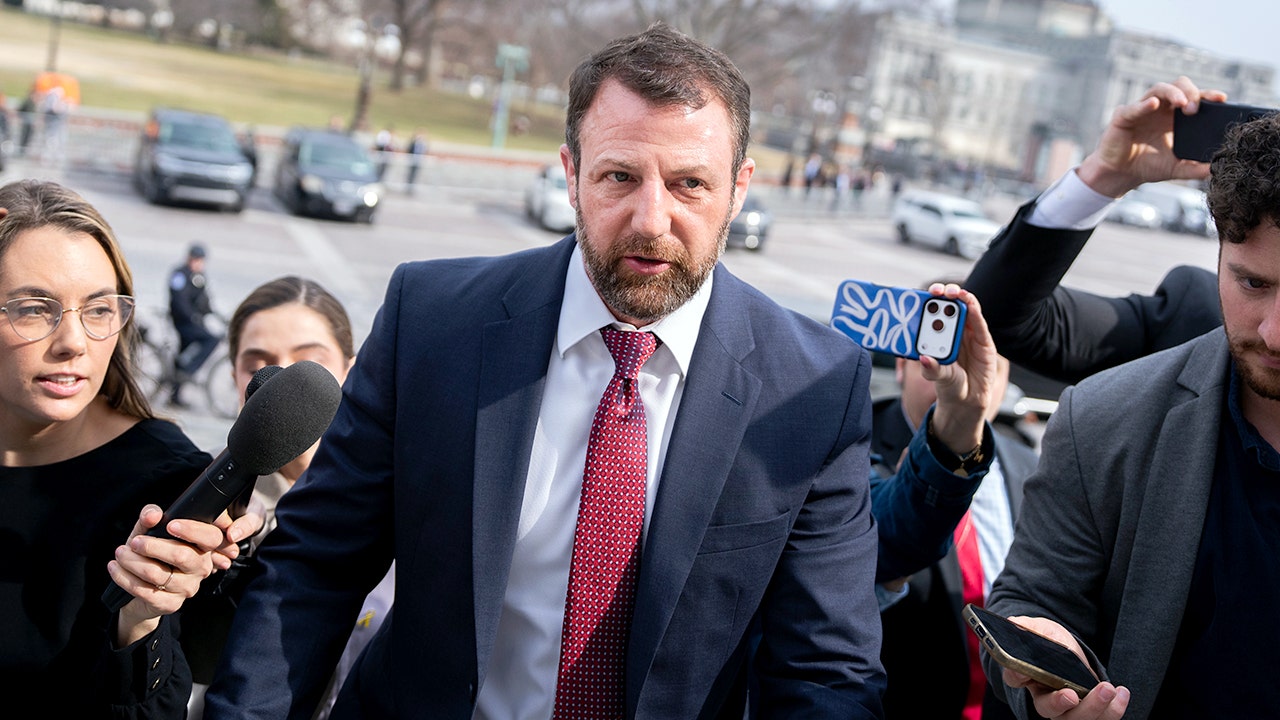
Sen. Markwayne Mullin (R‑Okla.) is facing his first major hurdle toward becoming Secretary of the Department of Homeland Security: a confirmation hearing before the Senate Homeland Security and Governmental Affairs Committee. Democrats on the committee plan to press Mullin about whether he will commit to substantial reforms to DHS immigration enforcement operations, arguing the agency needs changes that go beyond a simple personnel swap after Kristi Noem's reassignment. Some Democrats — including Sen. Richard Blumenthal and Sen. Gary Peters — say they will seek clear commitments to fundamental reforms and have criticized past statements by Mullin as evidence of resistance to change. Senate Republicans are moving quickly to advance the nomination because President Trump wants Mullin in place and Noem out by March 31; Senate leaders expect Mullin to likely clear the committee and face a full Senate vote later in the month. The article also notes partisan tensions on the committee (including Mullin's chilly relationship with chair Sen. Rand Paul) but mentions that at least one Democrat, Sen. John Fetterman, has expressed willingness to engage with Mullin on reforms.
Biblical Reflection
From a Christian perspective, this story raises familiar moral questions about leadership, truthfulness, and the protection of the vulnerable. Scripture calls leaders to pursue justice, act with humility, and steward power for the common good (see Micah 6:8). Confirmation processes are designed to test a nominee’s character, competence, and commitments; Christians should welcome careful, honest scrutiny that seeks clarity rather than partisan theater. At the same time, Christians should be wary of reductionist responses that treat individuals merely as political pawns or scapegoats. Biblical teaching presses us to balance legitimate concerns for national security and the rule of law with compassion for migrants and the vulnerable (e.g., Leviticus 19:34; Matthew 25:35–40). Where the article describes demands for “far‑reaching and fundamental reform,” the Christian standard is to ask whether proposed reforms advance justice, truth, and mercy rather than simply scoring political points. Christians ought to pray for wisdom for senators and the nominee, expect transparency and repentance where error is shown, and advocate that policy protects the innocent, upholds lawful order, and shows mercy to those in need. Finally, this item highlights the danger of partisan haste: Scripture urges leaders to act soberly and justly rather than hurriedly or vindictively (Proverbs 21:5; James 1:19).
Scripture in context
This outlook does not yet include contextual Scripture citations. Do not treat a general biblical theme as an exegetical conclusion.
Faithful Response
No prescribed response is offered. Consider the reflection prompts below in your own church context.
Reflection and Discussion
- 1What qualities should I pray for in public leaders (e.g., justice, humility, wisdom), and how can I hold them accountable in a Christlike way?
- 2How does my faith shape the balance I seek between national security and compassion for migrants and the vulnerable?
- 3Am I responding to this political moment with prayerful discernment rather than partisanship or cynicism?
Sources
Reporting links are evidence inputs; Sanctuary News' biblical reflection is commentary.
This outlook currently relies on fewer than two linked sources. Broaden verification before teaching from it.
- 1.Original reportprimary