News Summary
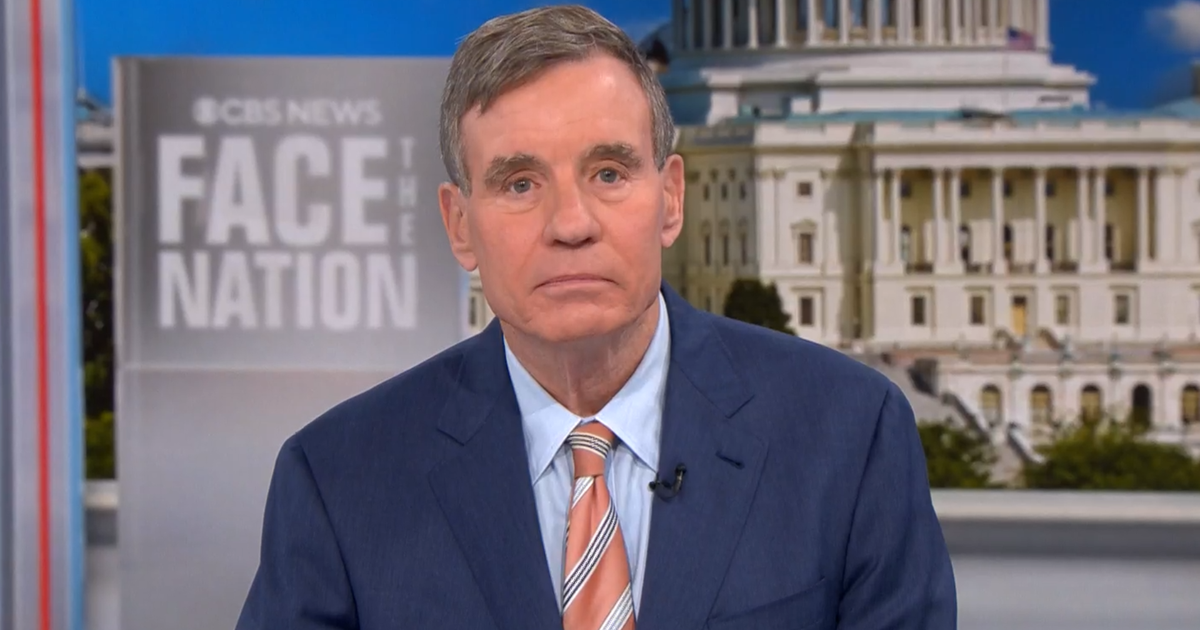
This is a transcript of a June 14, 2026 interview on Face the Nation with Senator Mark Warner (D-VA). Warner criticized the Trump administration's conduct of the war with Iran, calling it a “war of choice” and arguing that after 107 days the U.S. and its allies are not in a better position. He expressed concern that Iran still possesses missiles, drones, and enriched uranium and said removing enriched uranium likely would require ground access. Warner questioned informal negotiators named by the administration and argued Congress should have a role in any deal. He also addressed a lapse in the congressional authorization for certain surveillance authorities (Section 702/FISA), saying the lapse resulted from the White House’s delayed DNI nomination process. Warner opposed Bill Pulte as a potential DNI and commented on the administration’s recent nomination of Jay Clayton, saying Clayton may be confirmable quickly but that the lapse was caused by the President. Warner warned of national security risks from the temporary surveillance lapse and said Congress has not exercised sufficient oversight of the administration’s decision to go to war.
Biblical Reflection
From a Christian pastoral perspective, this interview highlights the moral responsibility of leaders to seek truth, exercise prudent stewardship of national power, and submit major decisions to appropriate oversight. Senator Warner frames his critique around competence, transparency, and security — concerns that merit sober attention regardless of partisan affiliation. The underlying worldview is one of accountability: elected officials should justify military action and the use of intrusive authorities to the people and their representatives. Be aware of political positioning: Warner speaks as an opposition senator and uses strong language toward the President, which may emphasize blame as well as legitimate institutional concerns. Christians should weigh the factual claims (e.g., uncertainty about Iran’s capabilities, the procedural causes of the FISA lapse) carefully, resist partisan simplification, and insist that truth-seeking and protection of the vulnerable (both at home and abroad) guide policy. The public good requires humility from leaders, courageous oversight from institutions, and a priority for peaceable, constructive solutions where possible.
Scripture in context
This outlook does not yet include contextual Scripture citations. Do not treat a general biblical theme as an exegetical conclusion.
Faithful Response
No prescribed response is offered. Consider the reflection prompts below in your own church context.
Reflection and Discussion
- 1Are we prioritizing transparent, verifiable facts over partisan framing when assessing claims about war, intelligence, and risk?
- 2How should Christians balance the call to protect neighbors with the equally biblical call to pursue peace and restraint in the use of force?
- 3What institutional safeguards and public oversight are necessary so that national security tools are used justly and do not become instruments of political advantage?
Sources
Reporting links are evidence inputs; Sanctuary News' biblical reflection is commentary.
This outlook currently relies on fewer than two linked sources. Broaden verification before teaching from it.
- 1.Original reportprimary