News Summary
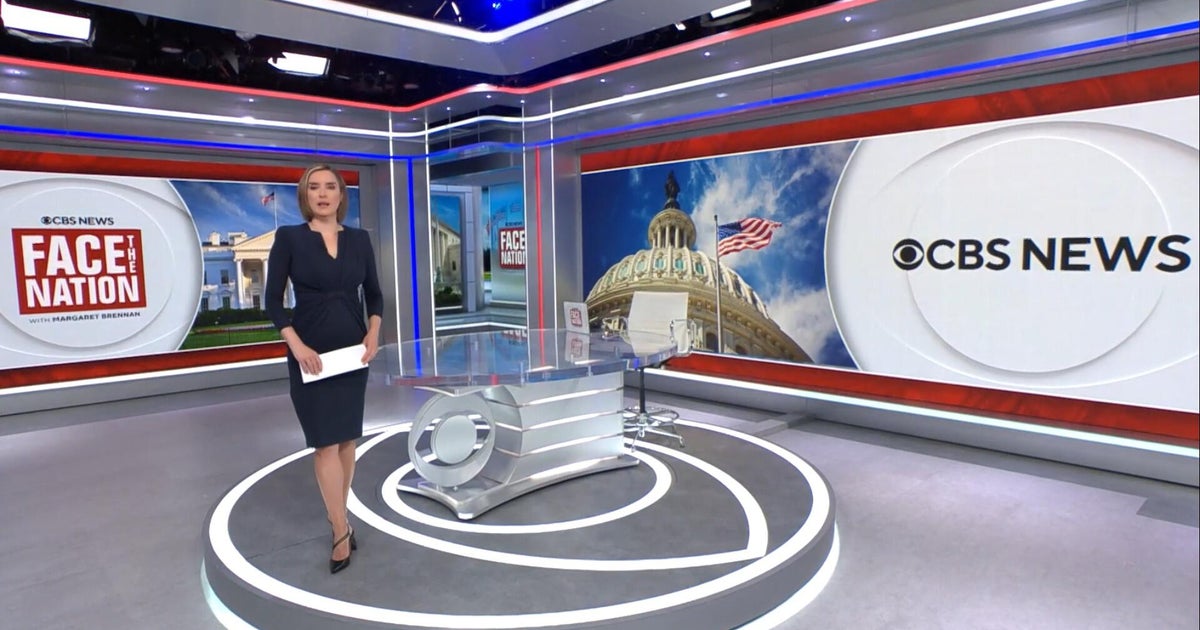
Broadcast of Face the Nation (July 12, 2026) reported the sudden death of U.S. Senator Lindsey Graham at age 71, citing a brief and sudden illness and emergency responders performing CPR before cardiac arrest was declared; his office said he had been seeking a fifth Senate term and had just returned from Kyiv. The program included interviews and commentary from South Carolina Senator Tim Scott, Israel's U.S. ambassador Michael Leiter, former CENTCOM commander Frank McKenzie, former mayor Rahm Emanuel, and Congressman Mike Turner. Coverage noted Graham's long record on national security, advocacy for Ukraine and Israel, bipartisan work with Senator Richard Blumenthal on sanctions targeting buyers of Russian oil, and plans for an interim Senate appointment and a special primary in August. Internationally, the broadcast described renewed U.S. military strikes against Iranian targets after the IRGC fired on a commercial vessel in the Strait of Hormuz and an MOU/truce that required keeping the strait open collapsed; guests discussed options ranging from continued strikes to more forceful measures to secure the waterway and urged pressure on Iran regarding ballistic missiles and proxy activity. Israeli officials said Israel would support the U.S. kinetically if asked; diplomatic talks with Lebanon and plans for pilot withdrawal zones were discussed. The program also referenced incidents in the West Bank involving journalists and Congressman Ro Khanna, disputes over trip coordination with the Israeli embassy, and reactions from world leaders and colleagues to Graham's death.
Biblical Reflection
This broadcast combined two types of news: the personal loss of a long-serving public figure and a dangerous escalation in an already fragile regional security situation. The program largely honored Senator Graham's public service while also centering hawkish national-security perspectives and plans for force and deterrence. Viewers should note two things: first, public mourning and respect for a deceased leader are appropriate and show community and gratitude for service; second, policy choices framed as necessary for security often carry moral costs for civilians, risk escalation, and require clear, verifiable evidence before endorsing kinetic responses. The coverage leans toward privileging official, military, and diplomatic voices; Palestinian and Iranian civilian perspectives appear largely absent, and some language and framing assume force as the primary lever for change. A Christian lens calls us to pursue truth (carefully checking facts and claims about causes and consequences), humility (recognizing limits of military solutions), mercy (attending to noncombatants and displaced people), and courage (advocating for just, wise diplomacy). In times of national grief and international tension, Christians are invited to mourn well, pray for leaders and vulnerable neighbors, and push for policies that seek both justice and the peaceable flourishing of all people.
Scripture in context
This outlook does not yet include contextual Scripture citations. Do not treat a general biblical theme as an exegetical conclusion.
Faithful Response
No prescribed response is offered. Consider the reflection prompts below in your own church context.
Reflection and Discussion
- 1How does the coverage balance honoring public service with critical scrutiny of the policies the late senator promoted?
- 2What assumptions about security and the use of force shape the proposed responses to Iran, and whose experiences are missing from that conversation?
- 3When leaders die or conflict escalates, are we more inclined to comfort anxiety with calls for force rather than patient, courageous pursuit of durable diplomacy?
Sources
Reporting links are evidence inputs; Sanctuary News' biblical reflection is commentary.
This outlook currently relies on fewer than two linked sources. Broaden verification before teaching from it.
- 1.Original reportprimary