News Summary
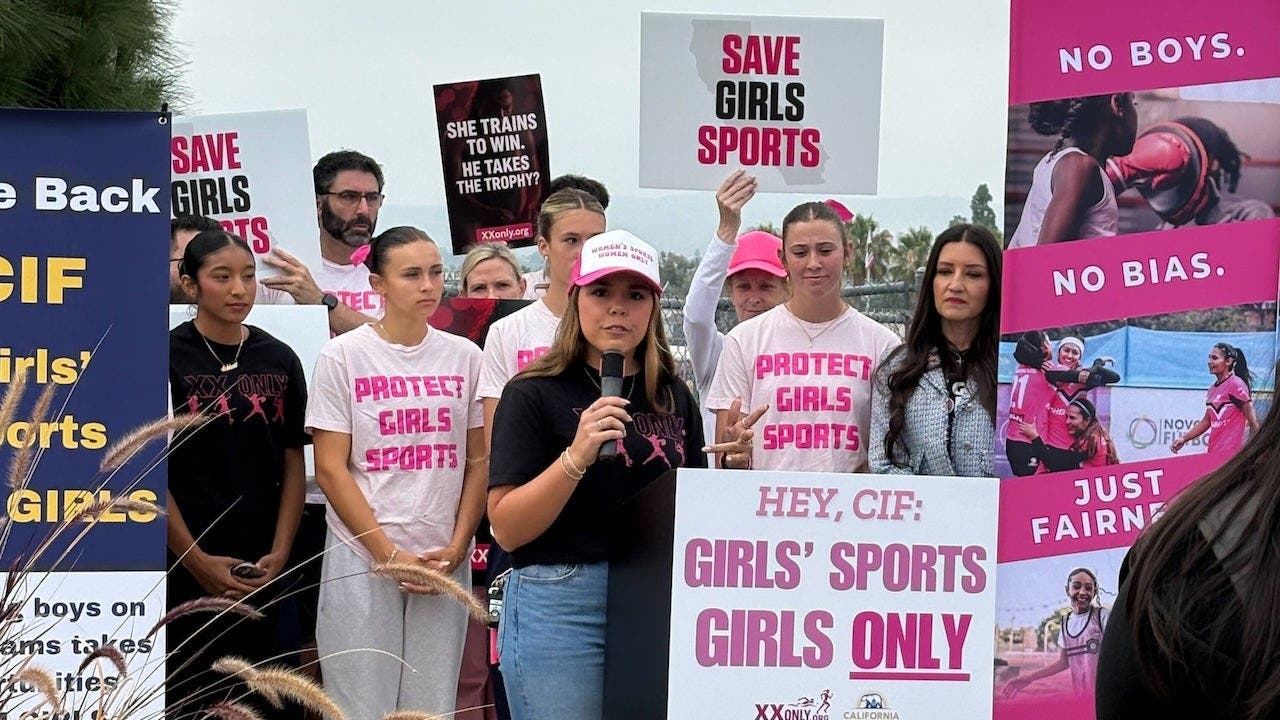
The U.S. Supreme Court issued rulings in West Virginia v. B.P.J. and Little v. Hecox upholding laws in West Virginia and Idaho that restrict participation in girls' and women's sports based on biological sex. Senator Jim Justice (R–W.Va.), who as governor signed West Virginia’s 2021 'Save Women's Sports Act' (House Bill 3293), praised the rulings and said they vindicate West Virginia’s approach. He called on Congress to pass federal legislation making similar protections the national standard and said he has cosponsored Senator Tommy Tuberville’s Protection of Women and Girls in Sports Act (S.9), which previously failed to secure 60 votes in the Senate. The article notes that similar laws exist in roughly 27 states, that the Supreme Court rulings did not create a nationwide standard, and that separate lawsuits by the Trump administration are ongoing against California and Maine over those states’ policies allowing transgender athletes to compete on teams matching their gender identity. Justice reiterated his position that the change protects opportunities for female athletes and invited families to move to West Virginia and Idaho while criticizing policies in states like California.
Biblical Reflection
This article reports a political response to a major court decision that affects school and college athletic policy. The main intent of Senator Justice’s remarks is legislative advocacy—using the Supreme Court rulings to press for a federal standard that would restrict transgender participation in female sports nationwide. The piece centers the perspective of protecting female athletic opportunities and frames the issue as corrective and vindicated by the Court. Missing from the article are sustained voices from transgender athletes, medical professionals, and educators about the lived effects of these laws, which risks simplifying complex human realities into a binary legal/political frame. From a Christian pastoral perspective, the tension calls Christians to hold two truths together: a legitimate concern for fairness and opportunities for women and girls, and the obligation to treat transgender people with dignity and compassion. Christians should be wary of rhetoric that dehumanizes or excludes; likewise, they should not reflexively accept claims framed only to score political points. The community of faith can pray for laws and policies grounded in careful evidence, respect for human dignity, and protection for vulnerable youth. Advocates and lawmakers are exercising political power; Christians should ask whether that power is being used justly, truthfully, and mercifully, and whether all affected voices are heard in policy-making.
Scripture in context
This outlook does not yet include contextual Scripture citations. Do not treat a general biblical theme as an exegetical conclusion.
Faithful Response
No prescribed response is offered. Consider the reflection prompts below in your own church context.
Reflection and Discussion
- 1Whose experiences and voices are missing from this coverage, and how would including them change your view of the issue?
- 2Are claims framed primarily to protect rights and safety, or to score political points — and how does that affect the integrity of proposed laws?
- 3How can Christians hold commitments to fairness for female athletes while also showing compassion and protection for transgender youth?
Sources
Reporting links are evidence inputs; Sanctuary News' biblical reflection is commentary.
This outlook currently relies on fewer than two linked sources. Broaden verification before teaching from it.
- 1.Original reportprimary