News Summary
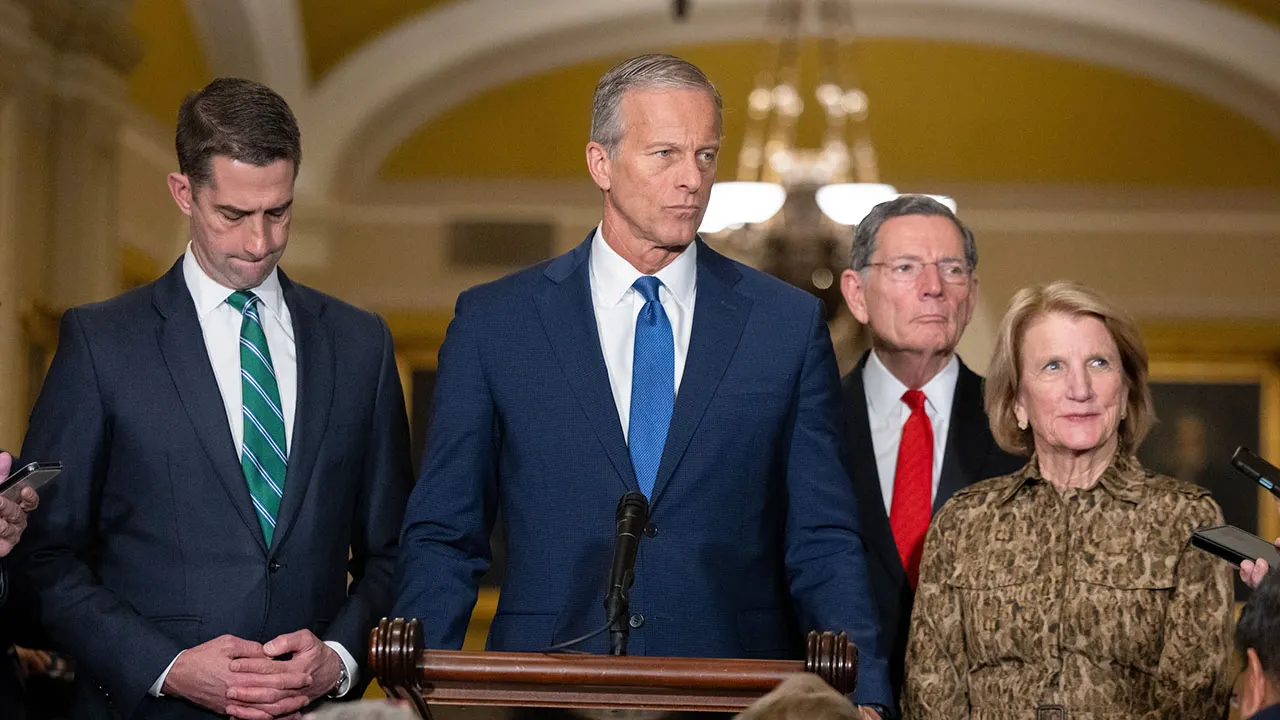
Senate Majority Leader John Thune defended the Republican approach to advancing the SAVE America Act, arguing against using a full "talking filibuster" despite pressure from President Donald Trump, some Senate conservatives, and online activists. Thune said the talking filibuster has not historically produced legislation and would exact a high cost in scarce floor time during an ongoing shutdown. Instead, Senate Republicans opened extended debate on a version of the tactic that allows unlimited debate while limiting the number of amendments Democrats can offer — a move meant to expose Democratic opposition without lowering the 60-vote threshold for passage. The debate entered its third day as proponents like Sen. Mike Lee urged the Senate to continue until the bill "passes," while critics said the Republican plan fell short of the more aggressive tactic some wanted. Thune framed his role as defining what is achievable and cautioned against over-promising.
Biblical Reflection
This story raises several biblical concerns about leadership, truthfulness, stewardship, and motive. Thune’s insistence on defining reality and resisting pressure to promise a path that likely doesn’t exist touches on the biblical call to honest speech and sober leadership (leaders who neither deceive the people nor inflate hope for political gain). Scripture repeatedly warns against false promises and proud overreach; leaders who oversell outcomes risk eroding trust and doing harm to the common good (see Matthew 5:37). At the same time, the tactics described — public spectacle, prolonged debate to score political points, and pressure from partisan networks — invite the church to ask how political engagement serves the vulnerable and the truth. Christians are called to pursue justice for the neighbor (Isaiah 1:17), to seek peace (Romans 12:18), and to speak the truth in love (Ephesians 4:15). That means critiquing both tactics that manipulate public expectation and those that weaponize legitimate concerns about election integrity. The faithful response is not blind loyalty to any party, nor cynical disengagement, but prayerful discernment, holding leaders accountable for honesty, and advocating for policies that protect the franchise while removing real barriers to participation. Finally, stewardship of public time and resources matters: spectacle that consumes institutional capacity without advancing the common good is unwise and can become a form of idolatry when political ends eclipse service to neighbor.
Scripture in context
This outlook does not yet include contextual Scripture citations. Do not treat a general biblical theme as an exegetical conclusion.
Faithful Response
No prescribed response is offered. Consider the reflection prompts below in your own church context.
Reflection and Discussion
- 1Where in my own engagement with politics have I allowed hope or anger to make me accept promises that sound better than they are?
- 2How can I pray for and encourage leaders to practice honest speech and wise stewardship of public resources?
- 3What practical steps can I take to pursue justice and protect the vulnerable in debates about election rules and access?
Sources
Reporting links are evidence inputs; Sanctuary News' biblical reflection is commentary.
This outlook currently relies on fewer than two linked sources. Broaden verification before teaching from it.
- 1.Original reportprimary