News Summary
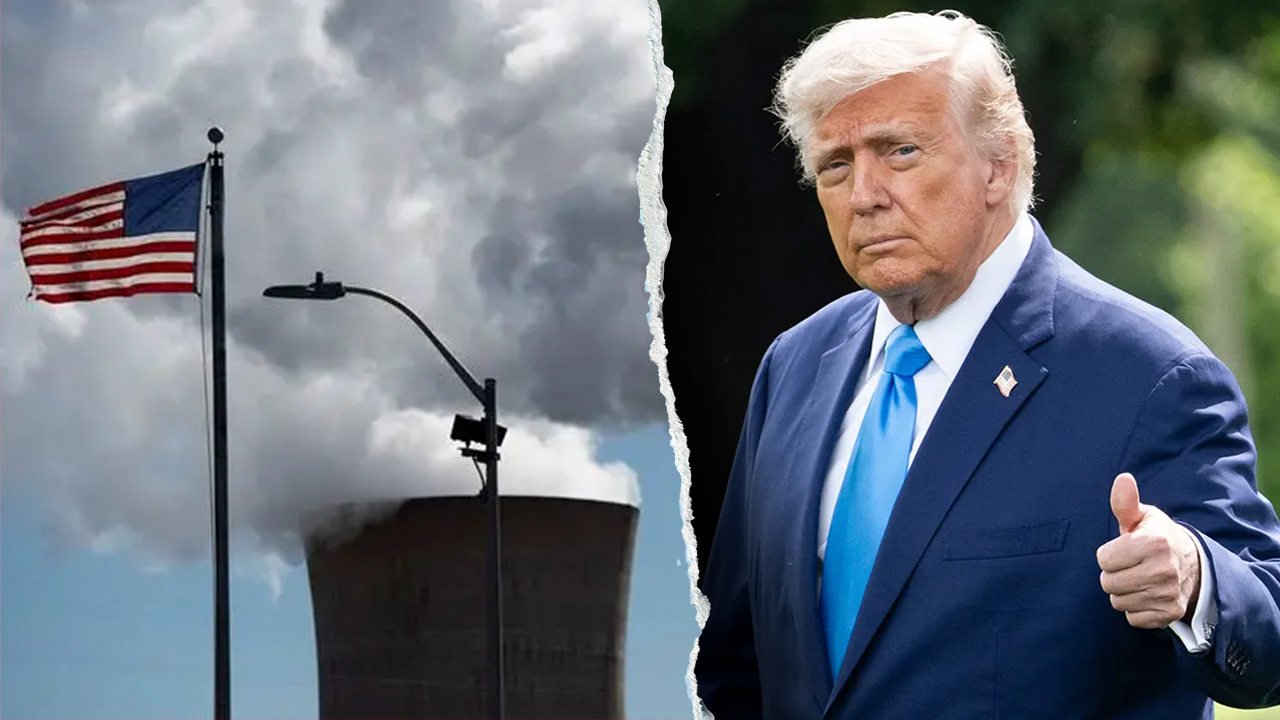
Sen. Cynthia Lummis (R–Wyoming) argues that the United States should build its next-generation nuclear power capacity at home—highlighting Wyoming’s large uranium deposits, mining workforce, and the recent NRC approval of TerraPower’s Kemmerer sodium‑cooled reactor construction permit. She frames expanded domestic nuclear production as necessary to meet surging electricity demand driven by the AI boom, to secure American energy and technology leadership, and to reduce dependence on foreign uranium and supply chains—pointing to China and Russia’s rapid nuclear buildouts as strategic competitors. Lummis credits the Trump administration’s regulatory actions for speeding approval and urges continued private investment and a rebuilding of the domestic uranium and nuclear supply chain.
Biblical Reflection
From a biblical perspective there are responsible and praiseworthy elements in this argument, and also places for caution and discernment. Scriptural impulses that align with the article include stewardship (responsibly using creation’s resources), the protection of one’s community (seeking reliable energy for families and workers), and wise planning for the future (prudence in securing essential infrastructure). Pursuing good work, providing honest jobs, and protecting the vulnerable from energy insecurity fit the call to love our neighbors.
At the same time, Scripture warns against making an idol of power, technology, or national strength. Psalm 20:7 reminds us that human confidence in chariots or horses (today: supply chains, reactors, geopolitical dominance) must not displace trust in the Lord. Political rhetoric that leans heavily on fear of foreign competitors or on triumphal pride can lead Christians to justify policies without sufficient humility, transparency, or regard for environmental and social consequences. Christians should ask whether expansions of nuclear mining and construction are pursued with truthfulness about risks, safety, long‑term waste stewardship, and care for local communities (including indigenous and low‑income populations).
Practically: advocate for policies that reflect justice, stewardship, and wise governance—supporting safety standards, honest regulatory processes, environmental care, worker protections, and international cooperation where appropriate. Resist simplistic nationalism or idolizing technological fixes; hold leaders accountable for ethical practice and long-term care of creation while recognizing prudent efforts to secure energy for communities are not inherently unchristian.
Scripture in context
This outlook does not yet include contextual Scripture citations. Do not treat a general biblical theme as an exegetical conclusion.
Faithful Response
No prescribed response is offered. Consider the reflection prompts below in your own church context.
Reflection and Discussion
- 1Do I find myself trusting technology, national strength, or economic power more than I trust God? How does that shape my political views?
- 2How can Christians support energy and infrastructure policies that honor stewardship of creation and protect vulnerable communities?
- 3What questions should I ask of leaders and companies proposing major energy projects to ensure honesty, safety, and long‑term care?
Sources
Reporting links are evidence inputs; Sanctuary News' biblical reflection is commentary.
This outlook currently relies on fewer than two linked sources. Broaden verification before teaching from it.
- 1.Original reportprimary