News Summary
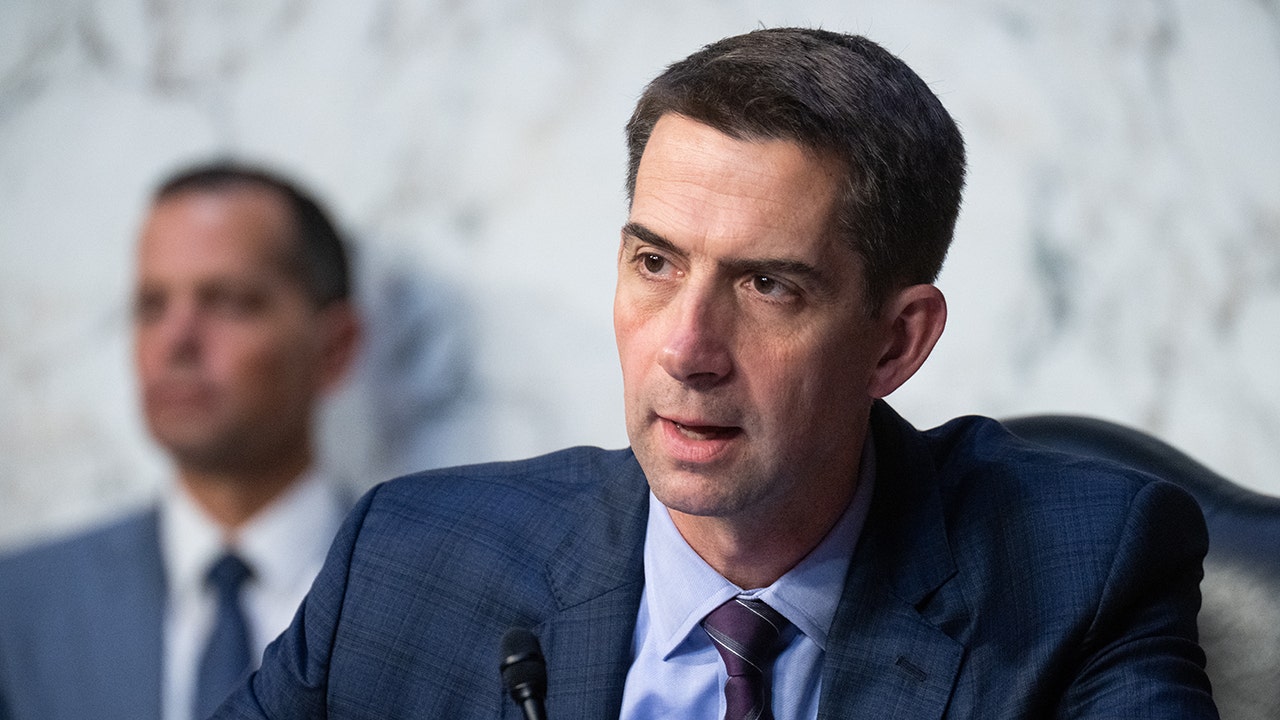
Sen. Tom Cotton sent a letter to Acting Attorney General Todd Blanche urging the Department of Justice to investigate whether foreign actors, including interests linked to China, have conducted a covert campaign to influence U.S. public opinion and policy against data centers and AI infrastructure. Cotton's request references a report from the Bitcoin Policy Institute that alleges three influence streams—Chinese state media, foreign-funded advocacy groups, and a network funded by Neville Roy Singham—have worked for years to build opposition to U.S. data-center construction and AI projects. The article cites prior reporting that Singham has transferred substantial funds to several nonprofits (including CodePink, the People’s Forum, Tricontinental and BreakThrough News) and alleges those groups have organized or led protests and messaging against AI and related infrastructure. The piece notes ongoing congressional inquiries about whether some organizations should register under the Foreign Agents Registration Act (FARA), references Cotton's DATA Act of 2026 proposal to change rules for energy infrastructure, and quotes critics who say such influence would advantage China in the global AI competition. The reporting is sourced primarily to the Bitcoin Policy Institute report and Fox News Digital reporting; the claims are presented as allegations and calls for investigation rather than proven findings.
Biblical Reflection
From a Christian pastoral perspective, this story raises two legitimate concerns and one caution. Legitimately, national security and the stewardship of vital infrastructure matter for the common good; elected officials are right to seek clarity when foreign influence could affect public policy. Equally legitimate are community concerns about environmental impact, utility costs, and democratic participation in local permitting decisions—these deserve to be heard on their merits, not simply dismissed as foreign-directed. The caution is that the article blends investigative claims, partisan rhetoric, and charged language in ways that may encourage suspicion, scapegoating, or conflation of diverse domestic movements with foreign state aims. Christians are called to pursue truth and justice without malice: demand transparent, evidence-based inquiry and due process, while resisting narratives that reduce complex civic debate to simple patriotism-versus-betrayal. Practice humility (seek facts before judgment), mercy (avoid quick demonization of people with different views), and courage (support honest investigation when warranted).
Scripture in context
This outlook does not yet include contextual Scripture citations. Do not treat a general biblical theme as an exegetical conclusion.
Faithful Response
No prescribed response is offered. Consider the reflection prompts below in your own church context.
Reflection and Discussion
- 1How strong is the publicly available evidence linking domestic protest groups to foreign state direction versus independent domestic concerns about costs and environment?
- 2Are legitimate local and environmental objections being evaluated on their merits, or are they being dismissed because of political framing?
- 3How can Christians advocate for national security while avoiding fear-driven rhetoric that dehumanizes opponents and shuts down civic conversation?
Sources
Reporting links are evidence inputs; Sanctuary News' biblical reflection is commentary.
This outlook currently relies on fewer than two linked sources. Broaden verification before teaching from it.
- 1.Original reportprimary