News Summary
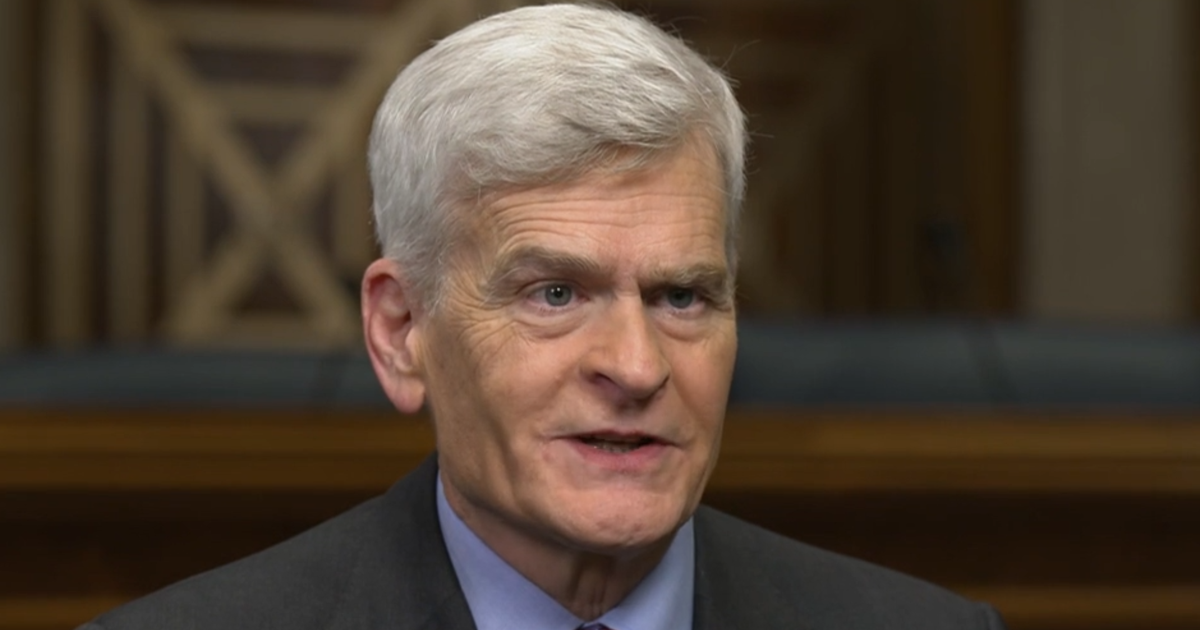
Sen. Bill Cassidy spoke with CBS's Margaret Brennan about several topics after a June 25, 2026 Situation Room briefing. Cassidy said he originally voted for the War Powers Act to force Senate briefings; after a later closed briefing by the vice president and Special Envoy Steve Witkoff, he changed his position because he judged the administration presented a plausible plan to meet certain objectives in Iran (destroy/degrade Iran's nuclear capability, ballistic-missile and conventional warfare capabilities) and excluded regime change. He described a heated exchange with President Trump over his prior procedural vote and said he will continue to press for congressional involvement if a formal agreement or treaty emerges. On domestic matters Cassidy criticized HHS Secretary Robert F. Kennedy Jr. and acting DNI Bill Pulte for actions he says undermined trust and public health institutions, expressed concern about declining vaccination rates and measles outbreaks in parts of Louisiana, and questioned the stability of public-health leadership (no confirmed CDC director or Surgeon General at the time). He defended his vote to convict after Jan. 6 as upholding his oath, objected to a proposed DOJ “weaponization” fund and any immunity agreement shielding the president and family, and discussed priorities he is pursuing as HELP Committee chair: health-care affordability (including price transparency and cash assistance for out-of-pocket costs), dyslexia screening and support, and Social Security reform. He also reflected on his recent primary loss, the role of presidential endorsements in that outcome, and the political dynamics heading into the midterms.
Biblical Reflection
Cassidy frames his public service as a search for truth and practical stewardship — seeking information before deciding and pressing for oversight when institutions withhold it. That posture aligns with Christian commitments to truth-seeking, care for the neighbor, and responsible stewardship of public goods (health, security, and vulnerable people). His insistence on congressional briefings and transparency reflects concern for accountability and the common good; his emphasis on making health care and education (dyslexia screening) affordable and accessible models neighbor-love in policy. At the same time, some of the interview shows the limits of partisan trust: temperament, political retaliation, and endorsements shape access and outcomes. Christians should be wary of treating any institution or leader as absolute or as an idol; skepticism of exaggerated claims is necessary, but so is resisting fear-driven rhetoric that harms public health (for example, vaccine misinformation). Practically, the interview calls Christians to hold leaders to honest, evidence-based standards, advocate for the vulnerable (those priced out of care or children with learning differences), and pursue humility and reconciliation across political divides. Verify contested factual claims (e.g., scientific assertions about vaccines or legal guarantees) against independent sources rather than partisan pronouncements, and press for processes that protect the common good.
Scripture in context
This outlook does not yet include contextual Scripture citations. Do not treat a general biblical theme as an exegetical conclusion.
Faithful Response
No prescribed response is offered. Consider the reflection prompts below in your own church context.
Reflection and Discussion
- 1When officials claim 'delicate diplomacy' or confidential briefings, what criteria should Christians use to evaluate whether secrecy serves the common good or shields wrongdoing?
- 2How should Christian citizens balance legitimate skepticism of political power with trust in public institutions that protect the vulnerable (public health, courts, oversight)?
- 3Are we more inclined to defend a leader in our political tribe than to insist on truth and mercy for those harmed by policy decisions?
Sources
Reporting links are evidence inputs; Sanctuary News' biblical reflection is commentary.
This outlook currently relies on fewer than two linked sources. Broaden verification before teaching from it.
- 1.Original reportprimary