News Summary
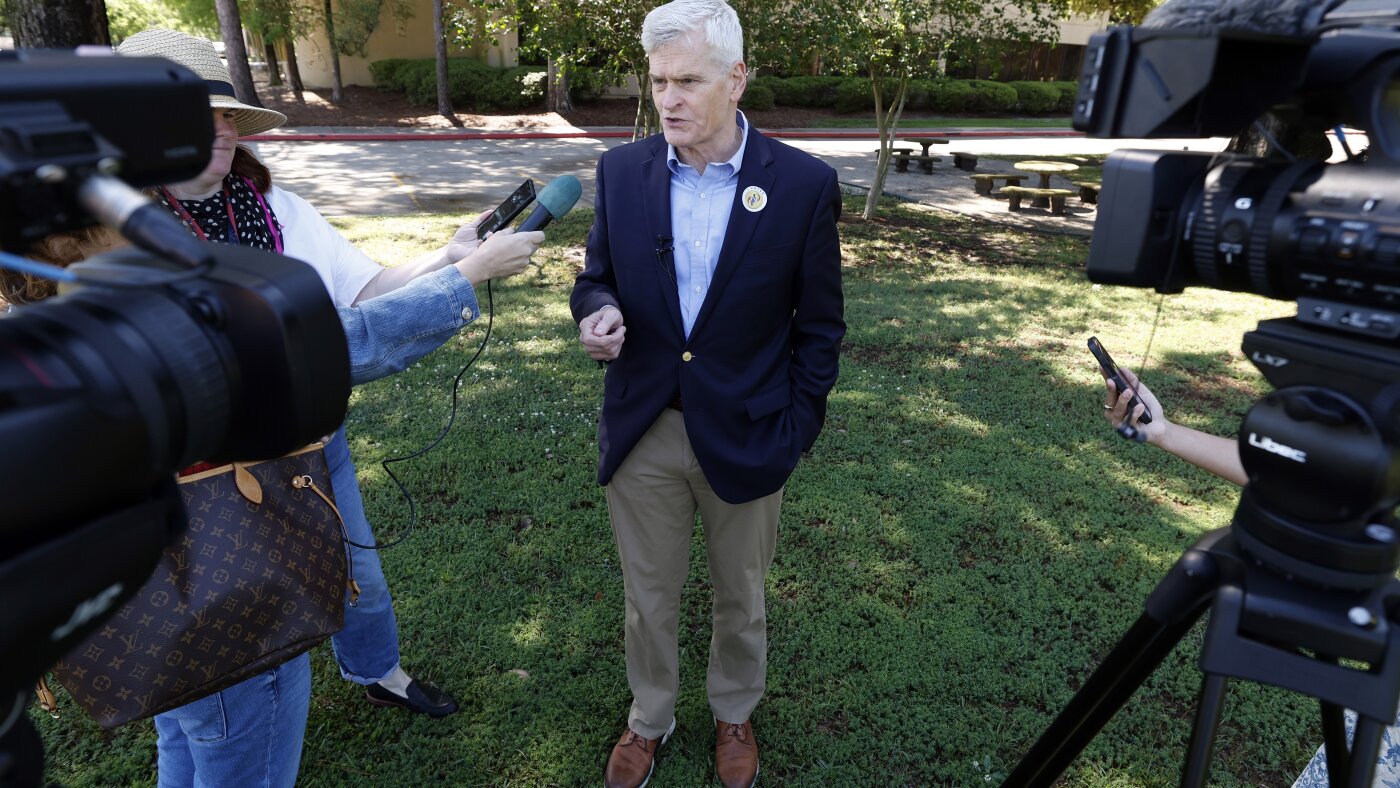
Sen. Bill Cassidy (R–Louisiana) finished last in a three-way Republican primary and failed to advance in his bid for reelection; he was one of seven Republican senators who voted to convict former President Donald Trump after the January 6, 2021, attack on the U.S. Capitol. The World Health Organization declared a new Ebola outbreak in Central Africa an international public health emergency after the disease, which began in the Democratic Republic of Congo, spread to Uganda and caused more than 80 deaths; WHO said the declaration is not a pandemic emergency and advised against closing borders, noting Ebola is not as easily transmitted as airborne illnesses. The newsletter also summarized other items: a civil lawsuit involving Elon Musk and OpenAI founders going to jury deliberation, a midair collision at an Idaho air show with four Navy pilots found safe, and reporting on tribal climate adaptation efforts and other cultural items.
Biblical Reflection
What the piece reports are verifiable events: a political primary result and a WHO emergency declaration. The political item highlights the power of party alignment and the electoral consequences faced by officials whose actions run counter to the dominant faction in their party. Christians should resist simplistic narratives that reduce complex outcomes to a single cause (for example, attributing Cassidy’s loss only to one vote) while still holding public leaders accountable for their choices. Biblically, truth-telling, courage, and love for neighbor matter more than partisan loyalty; Christians should evaluate leaders by character, justice, and service rather than tribe.
On the public-health item, the WHO’s declaration is a technical, global-health step intended to coordinate response and resources without unduly alarming the public. Christians are called both to avoid panic and to care practically for the sick and vulnerable (hospital support, charity, advocacy for effective response). Watch for media framing that either inflames fear or minimizes risk; faithful response is measured by compassion, stewardship of knowledge, and support for those on the front lines.
Across both stories, look for underlying worldviews: a partisan political lens that prizes loyalty and influence, and a technocratic public-health lens focused on containment and coordination. Scripture urges both discernment (testing motives and truth) and mercy (caring for suffering people). Christians should neither indulge fear nor embrace tribalism; instead pursue justice, truth, humility, and practical care.
Scripture in context
This outlook does not yet include contextual Scripture citations. Do not treat a general biblical theme as an exegetical conclusion.
Faithful Response
No prescribed response is offered. Consider the reflection prompts below in your own church context.
Reflection and Discussion
- 1Does the article’s framing simplify complex political outcomes into a single cause (e.g., one vote), and what information is missing that would give a fuller picture?
- 2When public-health events are reported, does the language prioritize calm, accurate guidance or sensational alarm — and how should that shape a Christian response?
- 3Am I tempted to treat political allegiance or fear as a substitute for practicing justice, truthfulness, and care for vulnerable people?
Sources
Reporting links are evidence inputs; Sanctuary News' biblical reflection is commentary.
This outlook currently relies on fewer than two linked sources. Broaden verification before teaching from it.
- 1.Original reportprimary