News Summary
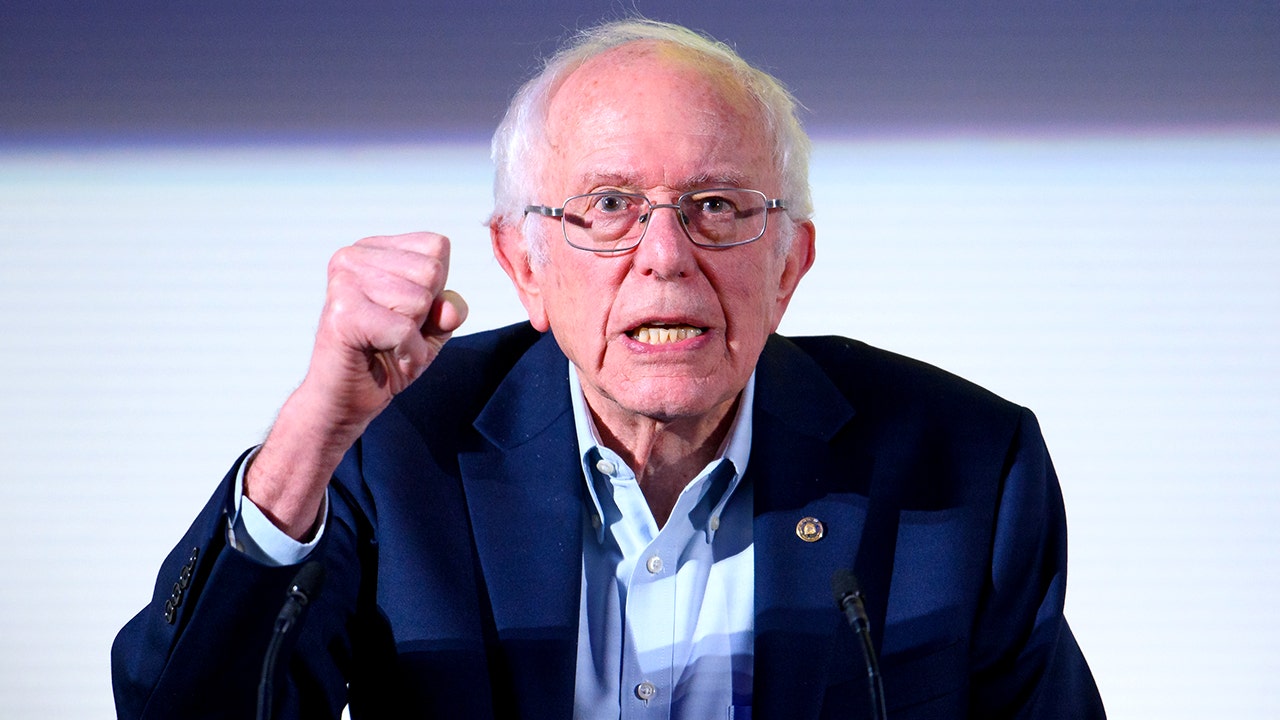
This is an opinion piece by Sen. Bernie Sanders published on Fox News Digital. Sanders and Rep. Alexandria Ocasio-Cortez are urging Congress to impose a federal moratorium on construction of new AI data centers until ‘‘strong safeguards’’ are enacted. Sanders argues that artificial intelligence and robotics threaten widespread job displacement across blue-collar and white-collar sectors (citing examples such as Waymo self-driving cars, driverless 18-wheelers, warehouse automation, and predictions from AI industry figures). He warns of concentrated wealth and power among tech billionaires, potential damage to Social Security/Medicare funding if employment declines, risks to children’s development, threats to privacy and democracy, and existential AI risks. Sanders cites polls showing public concern about AI job loss and outlines policy goals beyond the moratorium: shorter workweeks with no pay loss, a reworked social contract guaranteeing housing, health care, and education, child-protective guardrails for AI, privacy and democratic safeguards, and international cooperation on AI safety. The piece frames the issue as a struggle between working people and powerful tech interests and presents the moratorium legislation as a needed pause to write protections.
Biblical Reflection
From a Christian perspective, this article raises several legitimate moral concerns and also displays common rhetorical patterns to examine carefully. Biblical priorities — care for the vulnerable, just treatment of workers, honest speech, and wise stewardship of creation and technology — lend strong moral weight to the piece’s core worries about displaced workers, concentrated economic power, and harms to children. Christians can affirm the need for policies that protect human dignity, ensure basic provision for the vulnerable, and require accountability from those who wield great technological power. At the same time, the article is an opinion piece that uses alarmist language and populist framing (‘‘oligarchs,’’ imminent mass unemployment) which can simplify complex economic and technical realities. Not every claim is supported with balanced evidence or alternative economic scenarios (e.g., job transformation, new job creation, retraining efforts). The piece’s underlying worldview centers on economic populism and risk aversion toward technological change — virtues when they protect the vulnerable, but risky if they foster fear, scapegoating, or paralysis that stifles beneficial innovation. Practically, Christian discernment should: (1) weigh the legitimate ethical imperatives to protect workers and communities, (2) interrogate inflammatory language and check empirical claims, and (3) advocate for policies shaped by justice, prudence, and compassion — including worker retraining, robust social supports, transparency and accountability from corporations, privacy protections, and international cooperation on safety — rather than demonizing individuals or falling into technophobia. Ultimately, Scripture calls believers both to defend those at risk and to seek wise, truth-grounded solutions rather than simply amplifying fear.
Scripture in context
This outlook does not yet include contextual Scripture citations. Do not treat a general biblical theme as an exegetical conclusion.
Faithful Response
No prescribed response is offered. Consider the reflection prompts below in your own church context.
Reflection and Discussion
- 1What assumptions about the nature of work, human dignity, and technological progress underlie the article’s claims, and how do those assumptions shape its proposed solutions?
- 2Is the article directing righteous concern toward structural injustice or redirecting legitimate anxiety toward individual actors; how does that distinction affect Christian judgment?
- 3Which aspects of the proposed policy responses (moratorium, shorter workweeks, guaranteed basic needs, AI guardrails) most clearly reflect biblical concerns for justice and which require additional prudence or evidence?
Sources
Reporting links are evidence inputs; Sanctuary News' biblical reflection is commentary.
This outlook currently relies on fewer than two linked sources. Broaden verification before teaching from it.
- 1.Original reportprimary