News Summary
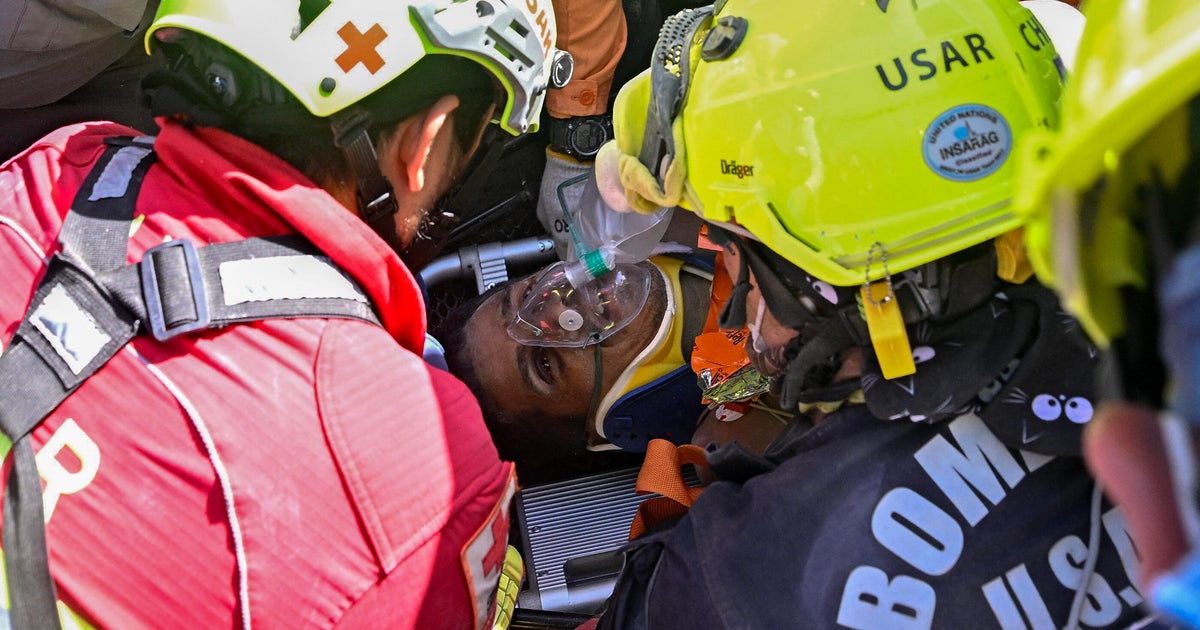
On June 24, twin earthquakes (reported magnitudes about 7.2 and 7.5) struck coastal Venezuela, causing widespread building collapse and heavy casualties. Rescue teams from seven countries worked at the site in Catia La Mar and on July 2 pulled security guard Hernan Gil alive from a collapsed seven‑story building after eight days under rubble. The National Assembly reported about 2,295 deaths, more than 11,000 injured, nearly 13,000 homeless and tens of thousands unaccounted for. Rescue work has been hampered by aftershocks, unstable structures and widespread destruction; many buildings have been searched and marked as containing no survivors. Earlier rescues included an 18‑day‑old infant rescued after 32 hours and other small survival recoveries; a dog was also rescued after five days. Authorities and aid agencies warn of urgent humanitarian needs—food, water, shelter and medical care—and rising disease risk because of low vaccination coverage and stressed health services. The World Food Programme appealed for $50 million to feed roughly 500,000 people for three months. A preliminary NASA assessment estimated nearly 58,870 buildings damaged or destroyed. The report also noted growing shortages, reports of theft including arrests, and a fragile political context described in the article that merits careful verification.
Biblical Reflection
This story highlights both human fragility and human compassion: the rescue of Hernan Gil is rightly celebrated as an act of mercy and a sign of international solidarity. The reporting centers life and suffering—but it also mixes urgent humanitarian facts with a brief political claim that appears questionable and should be verified rather than assumed. As Christians we should rejoice in acts of rescue and cross‑border cooperation while holding fast to truth: accurate facts matter in crises because they shape response and accountability. The article rightly focuses attention on immediate needs (shelter, food, clean water, disease prevention) and on structural breakdown—decades of economic and infrastructure decline left many vulnerable. The worldview driving the coverage is largely humanitarian: it centers rescue, suffering, and aid, but there is also a risk of framing individual “miracles” in ways that obscure systemic failure or invite politicized narrative shortcuts. A faithful Christian response combines compassion with discernment: care for survivors, support for effective relief, requests for political transparency where responsible, and insistence that long‑term rebuilding pursue justice, stewardship, and the protection of the vulnerable.
Scripture in context
This outlook does not yet include contextual Scripture citations. Do not treat a general biblical theme as an exegetical conclusion.
Faithful Response
No prescribed response is offered. Consider the reflection prompts below in your own church context.
Reflection and Discussion
- 1Which claims in the article are verifiable facts (casualty and damage estimates, aid appeals) and which are narrative or political claims that need independent confirmation?
- 2How does focusing on individual ‘miracles’ shape our perception of a disaster—does it inspire aid or risk obscuring long‑term systemic neglect that allowed greater harm?
- 3What responsibilities do governments, churches, and international agencies have beyond immediate rescue to ensure recovery, public health, and resilient infrastructure for the vulnerable?
Sources
Reporting links are evidence inputs; Sanctuary News' biblical reflection is commentary.
This outlook currently relies on fewer than two linked sources. Broaden verification before teaching from it.
- 1.Original reportprimary