News Summary
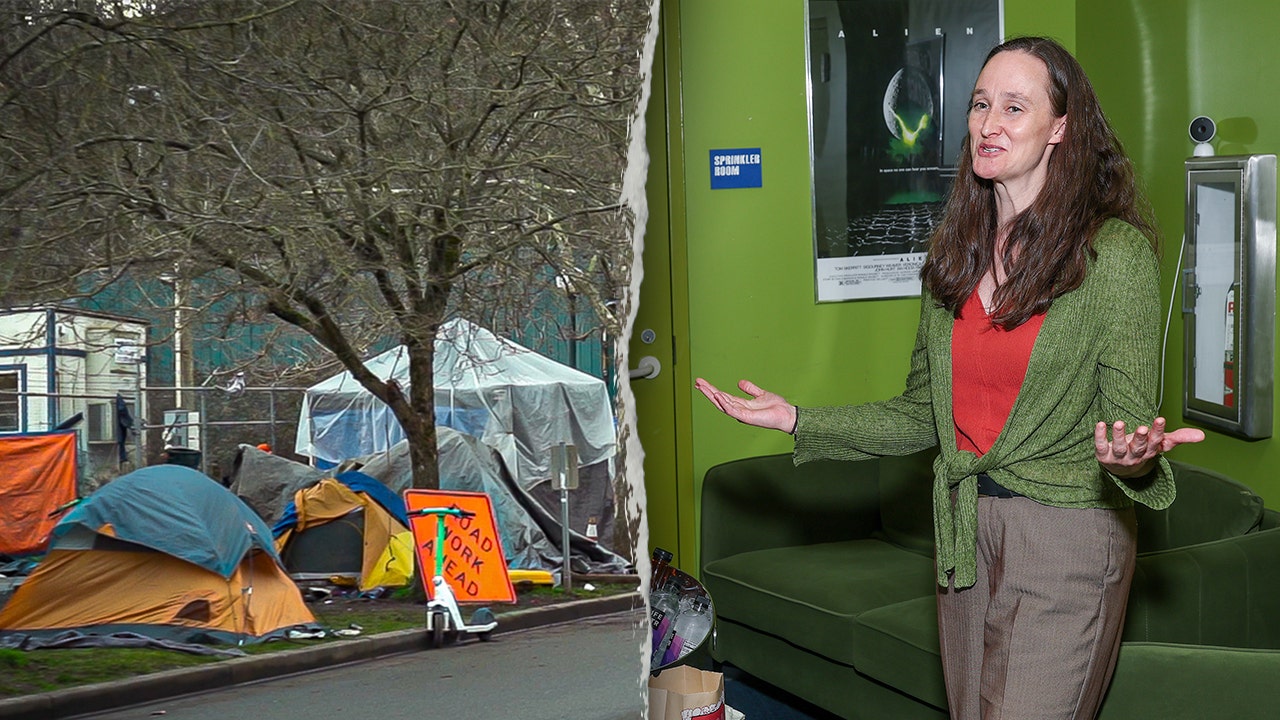
Seattle Mayor Katie Wilson said residents entering a new shelter community in the Interbay neighborhood will not be required to be sober. The facility, called the Bayside Enhanced Shelter Community, opened with 50 single-adult pallet home units, planned to increase to 75 units within the month; each 70-square-foot unit reportedly cost about $16,000 to build. The city describes the model as “low barrier, high support,” offering 24/7 transitional housing and access to behavioral health and addiction recovery services that are available and encouraged but not mandatory for entry. Wilson framed the approach as evidence-based and aimed at moving people indoors and into treatment over time. She also acknowledged the city is behind targets to create 500 shelter beds by mid-June and 1,000 by year-end. The article cites local reporting (KOMO, KIRO 7) and references state homelessness data documenting 22,173 people experiencing homelessness in Washington as of Jan. 30, with about one-third unsheltered. The story was reported by Fox News Digital; the outlet sought comment from the mayor.
Biblical Reflection
This article highlights a real policy tension: the city prioritizes bringing people indoors and then offering services rather than making abstinence a condition for shelter. From a Christian perspective, the policy reflects mercy and a preference for serving the vulnerable without preconditions, which aligns with Jesus’ concern for the outcast and hurting. At the same time, legitimate concerns about enabling harmful behavior, protecting neighbors, and stewarding public resources require sober assessment. The piece’s tone and surrounding headlines lean toward alarm (linking homelessness to crime and ideology), which can steer readers toward fear rather than careful evaluation of outcomes. Christians should weigh both compassion and prudence: ask for evidence of program effectiveness, support wraparound services that address addiction and accountability, and avoid narratives that dehumanize people experiencing homelessness. Advocate for policies that seek restoration (healing and sobriety where possible) while protecting public safety and community flourishing.
Scripture in context
This outlook does not yet include contextual Scripture citations. Do not treat a general biblical theme as an exegetical conclusion.
Faithful Response
No prescribed response is offered. Consider the reflection prompts below in your own church context.
Reflection and Discussion
- 1What assumptions about responsibility, sin, and recovery shape support for low‑barrier versus conditional shelter models?
- 2What concrete outcome measures (housing retention, treatment entry, public-safety incidents) will show whether this approach is working?
- 3How does a news outlet’s framing influence whether our response is fear-driven or compassion-driven?
Sources
Reporting links are evidence inputs; Sanctuary News' biblical reflection is commentary.
This outlook currently relies on fewer than two linked sources. Broaden verification before teaching from it.
- 1.Original reportprimary