News Summary
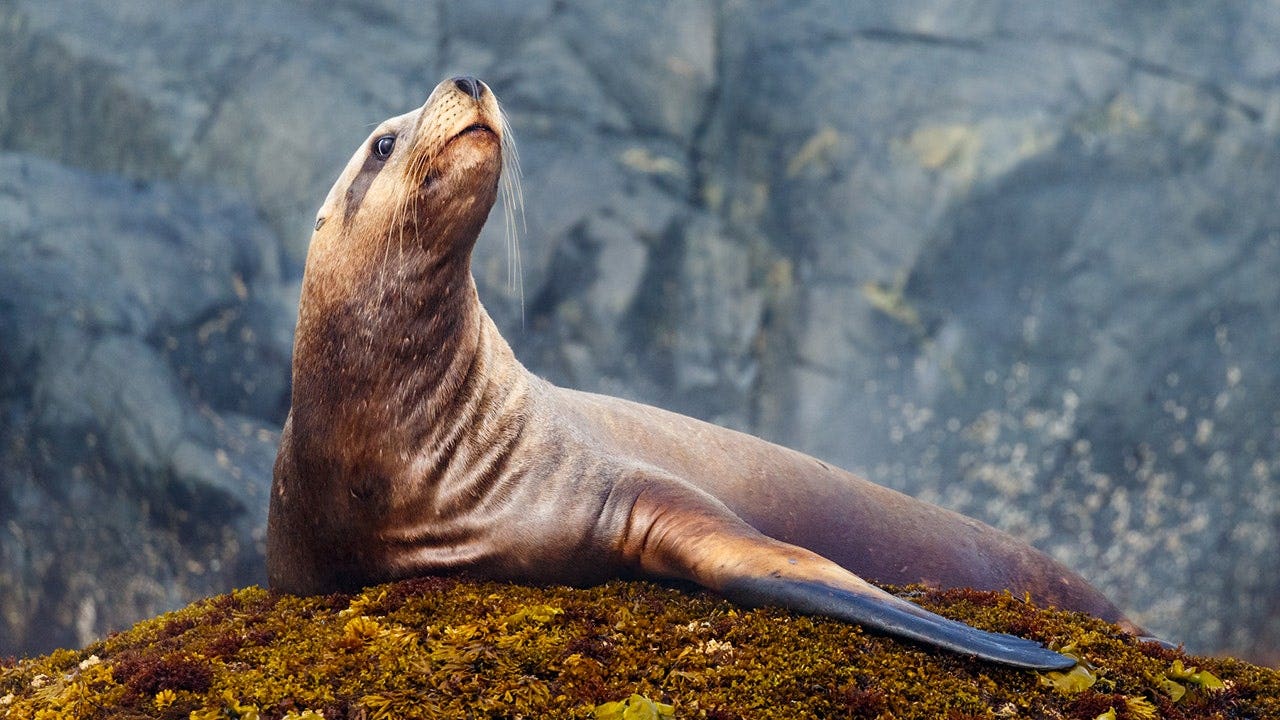
A viral video from Pier 39/Fishermen's Wharf area shows a fisherman posing with a yellowfin tuna when a large Steller sea lion surfaces, seizes the fish, and pulls it back into the water; the angler releases his hold and loses the catch. The behavior is described as 'depredation'—marine mammals taking fish from anglers, lines, nets, or boats—and is noted by wildlife experts as a common, learned behavior in sea lions that associate fishing activity with an easy meal. The story frames the incident as humorous viral content while noting broader concerns about sea lions' impacts on fisheries.
Biblical Reflection
The article reports a real but localized human–wildlife interaction and treats it primarily as entertainment. Its tone leans toward anthropomorphism and sensational phrasing, which can obscure the real issues: animals adapting to human-provided food opportunities and the economic or safety effects on fishers. Christians should read this with discerning sympathy for both creatures and people: animals act according to instinct and learned opportunity, while the fisher experienced a real economic loss. The broader worldview in the piece centers on spectacle rather than stewardship or problem-solving. A more faithful response honors truth (accurate description of behavior), mercy (compassion for living creatures and for people whose livelihoods are affected), humility (recognizing human impact on animal behavior), and neighbor-love (seeking fair, nonviolent solutions). Practically, this points to supporting humane, evidence-based coexistence measures—deterrents, gear changes, local management policies—rather than mocking wildlife or defaulting to lethal control.
Scripture in context
This outlook does not yet include contextual Scripture citations. Do not treat a general biblical theme as an exegetical conclusion.
Faithful Response
No prescribed response is offered. Consider the reflection prompts below in your own church context.
Reflection and Discussion
- 1Does the article encourage us to laugh at or to understand the causes of wildlife behavior shaped by human activity?
- 2Whose interests are centered—tourist entertainment or the livelihoods and safety of local fishers—and what does that reveal about the story's priorities?
- 3What humane, practical solutions might honor both the welfare of animals and the rights of people who depend on fishing?
Sources
Reporting links are evidence inputs; Sanctuary News' biblical reflection is commentary.
This outlook currently relies on fewer than two linked sources. Broaden verification before teaching from it.
- 1.Original reportprimary