News Summary
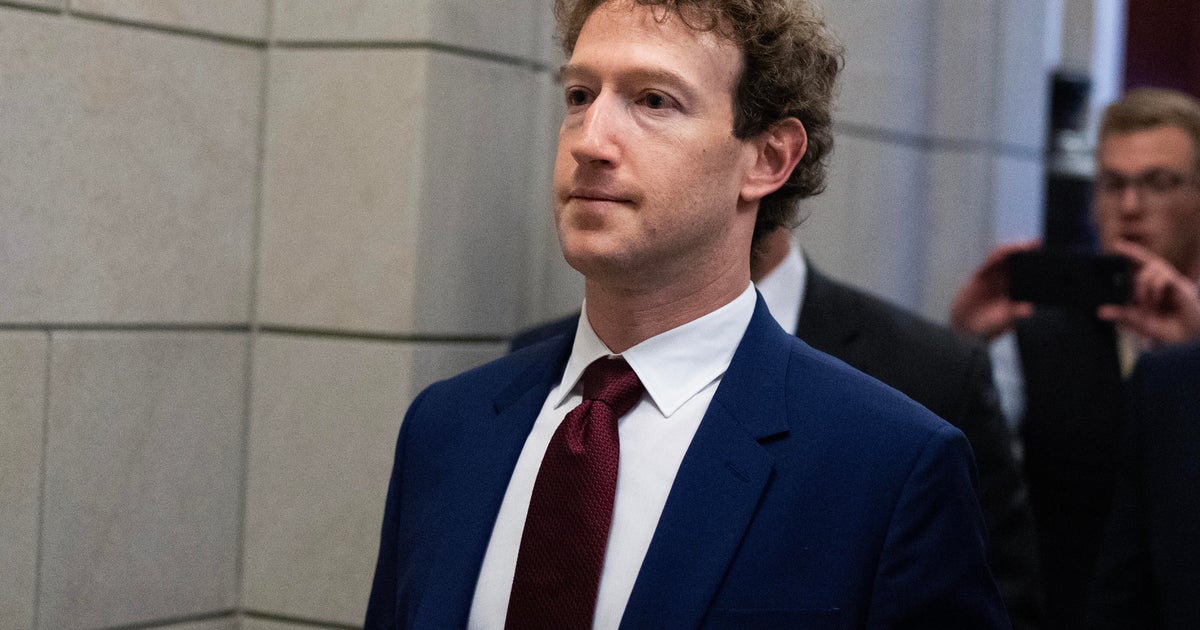
A class-action lawsuit filed in federal court in New York by bestselling novelist Scott Turow and publishers Cengage, Elsevier, Hachette, Macmillan and McGraw-Hill alleges that Meta used millions of copyrighted works to train its Llama AI models without permission. The complaint claims Meta scraped content from across the internet — including so-called pirate sites — and removed copyright-management information from works to conceal their use in training. Plaintiffs allege Llama reproduces summaries and, in some instances, verbatim passages of novels, journal articles and textbooks and imitates authors’ stylistic traits, depriving creators and publishers of revenue. The suit names Meta and founder Mark Zuckerberg, alleging he authorized practices that bypassed licensing. Meta said it will “fight this lawsuit aggressively,” asserting that training on copyrighted material can qualify as fair use. The complaint seeks damages. The filing is part of a broader set of legal disputes over AI training; a prior case involving Anthropic settled for $1.5 billion. Legal commentary notes this suit emphasizes the act of training on copyrighted material rather than only the specific outputs the model generates.
Biblical Reflection
From a Christian perspective this case raises matters of stewardship, justice, and truth. Creators’ labor and intellectual property reflect human gifts and work that Scripture upholds as worthy of respect (the Bible repeatedly condemns theft and calls for fair dealings). If copyrighted works were used without consent, that raises legitimate moral and legal concerns about honoring others’ labor and providing just compensation. At the same time, Christians should avoid rushing to moral certainty before courts determine facts: allegations are not proof, and careful, truthful investigation is important. Watch for rhetorical framing in the article — vivid claims about 'pirate sites' and linking Zuckerberg’s wealth to alleged wrongdoing are persuasive elements that may shape public sentiment before adjudication. The deeper worldview tension here is between a technological-first ethic that treats data and creative content primarily as raw material for innovation and a stewardship ethic that values persons and their work as ends in themselves. Scripture calls us to protect the vulnerable, practice honest scales, and seek justice (e.g., Proverbs 11:1). Applied practically, Christians can pray for fair legal outcomes, support policies and business practices that respect creators, and advocate for transparent, accountable development of powerful technologies so innovation serves human flourishing rather than exploiting labor.
Scripture in context
This outlook does not yet include contextual Scripture citations. Do not treat a general biblical theme as an exegetical conclusion.
Faithful Response
No prescribed response is offered. Consider the reflection prompts below in your own church context.
Reflection and Discussion
- 1Whose interests are centered in this story: the creators whose work may have been used, the companies building the technology, or broader public access — and how does that choice reflect a particular moral vision?
- 2Does the article distinguish clearly between allegation and proof, and are persuasive details being used to shape opinion before legal resolution?
- 3How should Christians weigh the value of technological progress against obligations to compensate and respect the labor and creativity of others?
Sources
Reporting links are evidence inputs; Sanctuary News' biblical reflection is commentary.
This outlook currently relies on fewer than two linked sources. Broaden verification before teaching from it.
- 1.Original reportprimary