News Summary
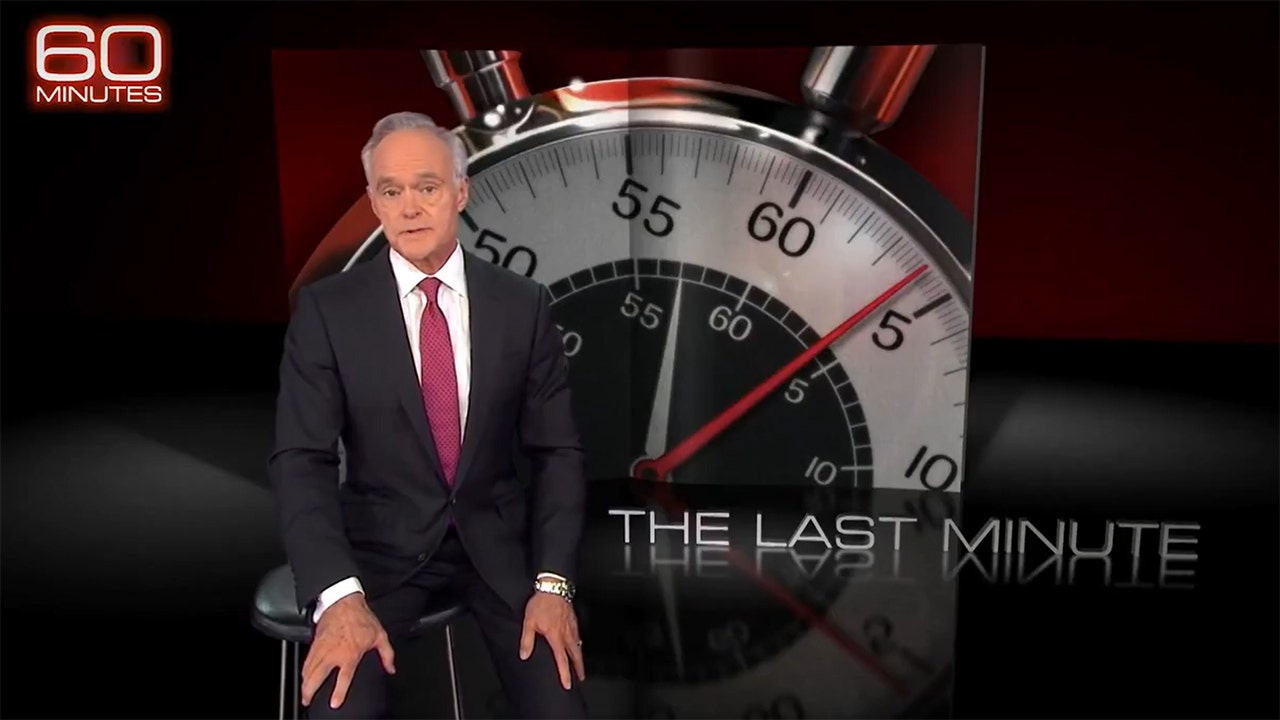
Former '60 Minutes' correspondent Scott Pelley, who worked at CBS News for 37 years, was fired after reported clashes with new network management; in a recent interview he accused CBS leadership of political bias and incompetence and said new executive leadership had tilted coverage. Fox News quoted critics who pointed to a string of historical controversies involving '60 Minutes' and CBS News — including the delayed airing of the Jeffrey Wigand tobacco story in 1995, the unverified George W. Bush National Guard documents that damaged Dan Rather in 2004, the retracted Benghazi account by Dylan Davies in 2013, Lesley Stahl’s 2020 exchange on the Hunter Biden laptop (which CBS later said was verified in 2022), editing disputes around a Sharyn Alfonsi-DeSantis piece, and questions about editing of a Kamala Harris interview that led to legal claims and a multi‑million dollar settlement with Paramount/CBS in 2025. The article reports Bari Weiss became CBS News editor-in-chief in 2025 and installed a new '60 Minutes' executive producer; CBS denied that Weiss had favored any political administration. The piece includes commentary from media critics and notes that CBS responded by rejecting claims that the network had put a 'thumb on the scale.'
Biblical Reflection
The article documents both a current personnel dispute and a documented pattern of editorial failures at a major news program. Christians should welcome accountability and transparency in institutions that shape public truth, while guarding against partisan triumphalism. The reporting shows how journalistic mistakes and editorial choices erode trust across the political spectrum; at the same time, this particular article is framed by a partisan outlet and interweaves factual history with pointed criticism aimed at discrediting current leadership. That dual nature matters: truth-seeking requires separating verifiable facts (firings, settlements, retractions, time lines) from partisan interpretation and rhetorical framing. Spiritually, we should pursue truth with humility, expect repentance where wrongs were done, and avoid letting media failures harden us into cynicism or tribal certainty. Christians should press for institutional reforms that promote accuracy and fairness, but do so without treating any outlet as the final moral authority.
Scripture in context
This outlook does not yet include contextual Scripture citations. Do not treat a general biblical theme as an exegetical conclusion.
Faithful Response
No prescribed response is offered. Consider the reflection prompts below in your own church context.
Reflection and Discussion
- 1Which facts in this account are independently verifiable, and which parts are framed to advance a partisan narrative?
- 2How does a pattern of journalistic mistakes shape public trust, and what virtues should Christians expect from news institutions that influence civic life?
- 3Am I responding to media failures with informed critique and calls for accountability, or with tribal anger that reinforces division?
Sources
Reporting links are evidence inputs; Sanctuary News' biblical reflection is commentary.
This outlook currently relies on fewer than two linked sources. Broaden verification before teaching from it.
- 1.Original reportprimary