News Summary
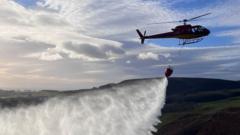
Reported facts: A wildfire in the Cairngorms has entered its seventh day and helicopters are being used to help stop the spread of the flames. Attributed claim/question: the article asks whether Scotland has the helicopters it needs to fight wildfires. Uncertainty: the piece does not supply numbers, operational details, or evidence about current helicopter inventory, mutual aid agreements, or how air resources compare to need.
Source and Framing Analysis
The article is brief and framed as a question about capacity, which highlights a logistical concern but does not present supporting data. The framing invites readers to worry about resource adequacy but the story lacks concrete numbers (how many helicopters, hours flown, availability of pilots, or mutual aid from UK-wide or international partners). That missing information materially affects any conclusion about sufficiency.
Biblical Reflection
The report focuses attention on immediate human and environmental needs: containing the blaze, protecting people and property, and stewarding the land. From a Christian perspective, this situation calls us to care for our neighbors endangered by the fire and to exercise responsible stewardship of creation. Questions about whether Scotland has enough helicopters point to practical issues of preparedness, coordinated response, and how public resources are prioritized.
The article is short and raises a logistical question without giving detailed evidence about capacity, numbers of aircraft, or mutual aid arrangements. Christians should respond with sober attention to facts—supporting local relief efforts, advocating for adequate emergency resources where needed, and resisting the rush to assign blame without clear information. Charity and truth both matter: pray for those affected and for emergency workers while seeking reliable data about needs and gaps.
Finally, this story invites reflection on longer-term issues (land management, climate-related fire risk, funding for emergency services) without assuming simple causes. A faithful outlook balances mercy for those suffering, honest appraisal of systemic needs, and patience to wait for clear evidence before forming firm policy judgments.
Scripture in context
- 1Genesis 2:15 — In the early chapters of Genesis, humanity is placed in the created order with a charge to till and keep the garden; the language frames human responsibility for the care and ordered use of creation. — This passage calls Christians to active stewardship—supporting measures that prevent and mitigate environmental harm and to care practically for places and people at risk from disasters like wildfires.
Faithful Response
Pray for those affected and for emergency workers, and give or volunteer through vetted local relief organizations helping evacuees or firefighters.
Seek reliable information from official emergency services before sharing judgments; encourage local accountability by asking elected leaders for transparent reporting on resource levels and mutual aid plans.
Support local stewardship efforts (controlled burns, invasive-species management, funding for rural fire services) that reduce wildfire risk over time.
Reflection and Discussion
- 1How can Christians weigh urgent compassion for those affected with the patience needed to seek accurate information about systemic resource gaps?
- 2In what ways should care for God’s creation shape our expectations for public investment in disaster prevention and response?
- 3How might our local congregation practically support both immediate relief and long-term resilience in fire-prone communities?
Sources
Reporting links are evidence inputs; Sanctuary News' biblical reflection is commentary.
This outlook currently relies on fewer than two linked sources. Broaden verification before teaching from it.
- 1.Does Scotland have the helicopters it needs to fight wildfires?primary_reporting