News Summary
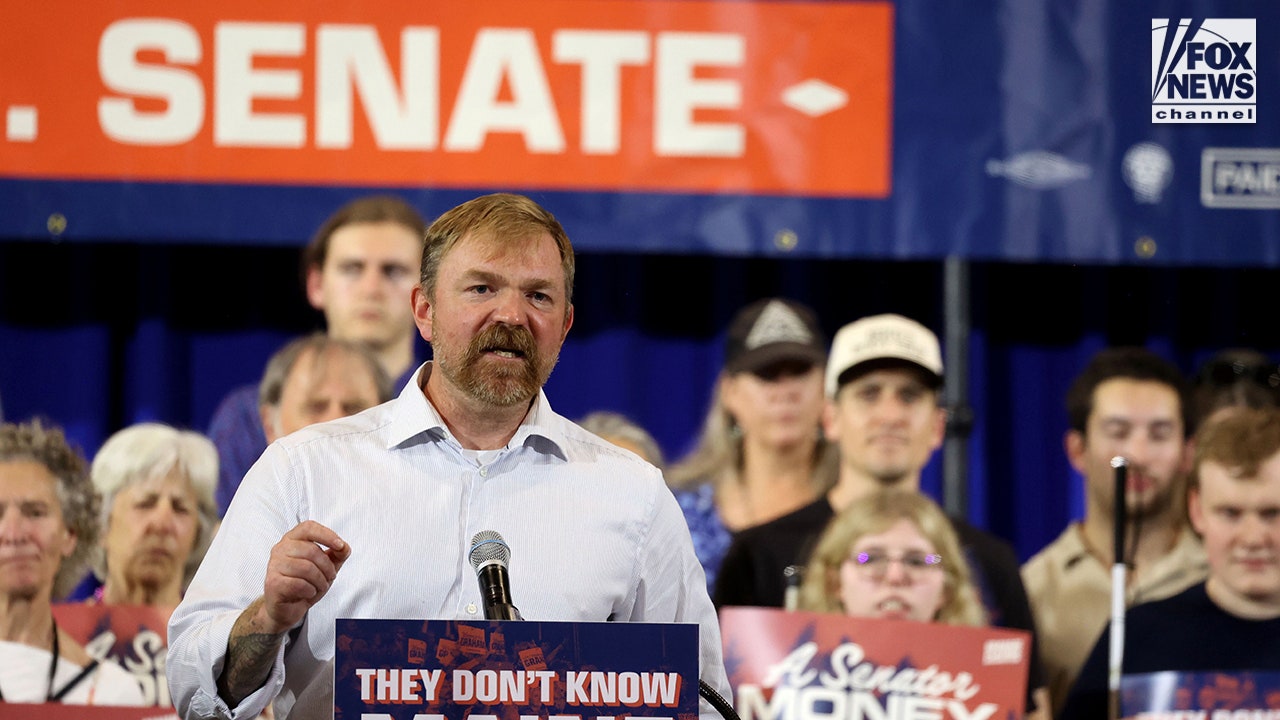
This opinion piece argues that several Democratic primary winners, highlighted by Graham Platner’s June 9 Maine Democratic Senate primary victory (about 70% of the primary vote), reflect a pattern of leftward or controversial nominees that could hurt Democrats in the 2026 midterms. The article summarizes allegations and reported controversies involving Platner — including claims of abusive past relationships, alleged inappropriate communications with women while married, and a disputed tattoo described by an accuser as a Nazi symbol — and notes Platner’s support from groups such as the Democratic Socialists of America. It cites a Tavern Research poll showing a generic Democrat leading incumbent Republican Sen. Susan Collins by 10 points, while a head-to-head match with Platner showed a much narrower gap (reported as +2, 51% to 49%). The article also highlights other Democratic primary figures (Abdul El-Sayed in Michigan, Adam Hamawy in New Jersey’s 12th, Chris Rabb in Pennsylvania’s 3rd) and mentions endorsements from figures like podcaster Hasan Piker and organizations such as the DSA. The piece frames these nominations alongside internal Democratic divisions (progressives vs. establishment leaders), cites criticisms including a party post-election audit and Jill Biden’s memoir revelations about President Joe Biden, and offers suggestions such as Platner stepping down by a mid-July deadline to be replaced by a more electable candidate. Douglas E. Schoen is identified as the author and an experienced pollster and consultant.
Biblical Reflection
This article is an explicitly partisan opinion piece that blends factual reporting (primary results, poll figures, named allegations) with interpretive claims and predictions about electoral consequences. Christians should value truth-telling and careful discernment: verify allegations and poll data before accepting character judgments, and notice how language like “far-left” and “extremist” is used to shape readers’ perceptions. The piece leans heavily on candidate quality as the decisive factor in electoral outcomes while giving less attention to policy debates, voters’ motivations, or comparable weaknesses on the other side — a selective framing that can deepen tribalism. From a pastoral perspective, the Christian response is twofold: insist on accountability and transparency for public leaders (so that the vulnerable are protected and justice is served), and avoid dehumanizing rhetoric that treats opponents as caricatures rather than neighbors for whom we should pray and to whom we should speak truth with humility. Finally, recognize that democratic processes matter; Christians can pursue discipleship that fosters civic responsibility, truthful public discourse, and peacemaking rather than contributing to fear-driven polarization.
Scripture in context
This outlook does not yet include contextual Scripture citations. Do not treat a general biblical theme as an exegetical conclusion.
Faithful Response
No prescribed response is offered. Consider the reflection prompts below in your own church context.
Reflection and Discussion
- 1Which claims in the article are verifiable facts (vote totals, poll numbers, named allegations) and which are partisan characterizations or predictions?
- 2How does labeling candidates as 'extreme' or 'far-left' shape public perception compared with examining concrete policy proposals and voter concerns?
- 3What responsibilities do Christians have when consuming political commentary—both to demand truth and to avoid fueling dehumanizing partisan narratives?
Sources
Reporting links are evidence inputs; Sanctuary News' biblical reflection is commentary.
This outlook currently relies on fewer than two linked sources. Broaden verification before teaching from it.
- 1.Original reportprimary