News Summary
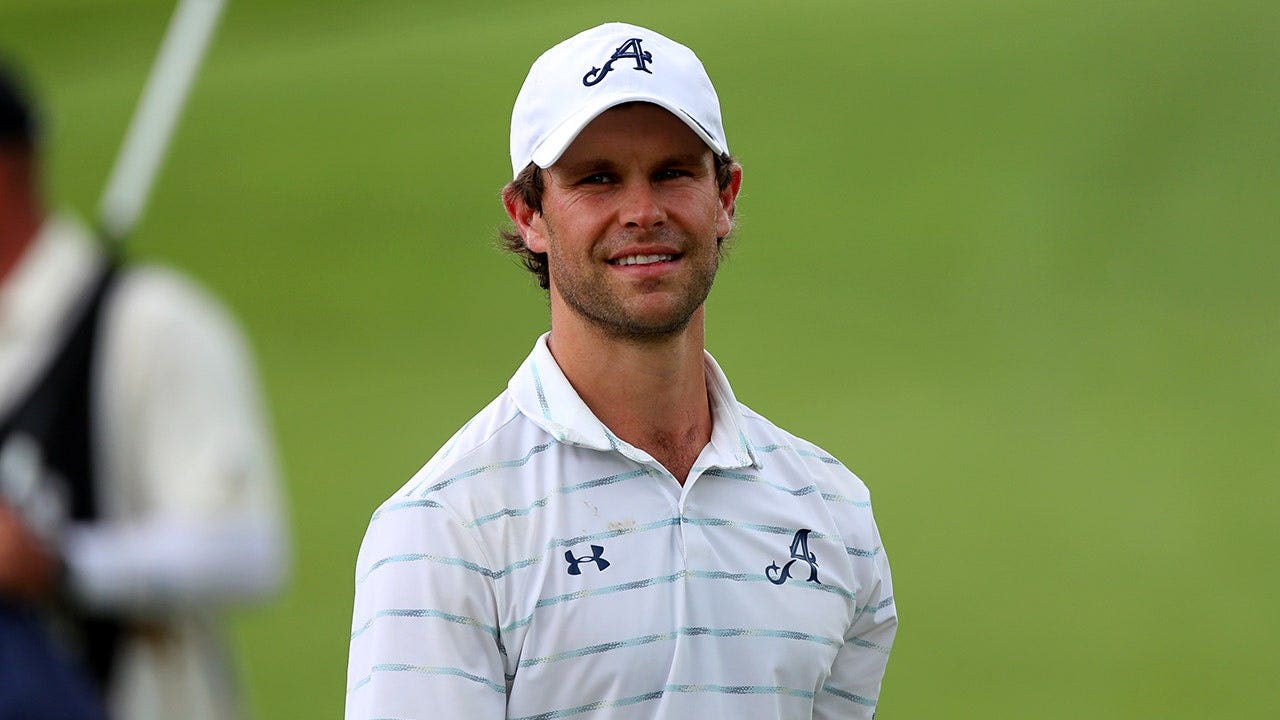
Saudi Arabia's Public Investment Fund (PIF), which has been the primary backer of the LIV Golf tour, will stop funding the tour after the 2026 season. LIV Golf's leadership is seeking new investors to replace PIF funding. Several LIV players publicly responded to the announcement: Thomas Detry said in a podcast interview that he is fully committed to LIV, praised the tour's product and format, and urged players to show cohesion and support; Thomas Pieters said he will not return to the PGA Tour; Bryson DeChambeau said a PGA return is uncertain and that he might focus on other opportunities if he cannot rejoin the PGA. The article reports that players value LIV's team model, shorter schedules, and financial certainty (prior to the PIF announcement). LIV Golf CEO Scott O'Neil is reported to be looking for investors; observers and some outlets have suggested the tour could fold after 2026 if new funding is not found.
Biblical Reflection
From a Christian perspective this story raises several intersecting concerns: truthfulness in reporting, the role of money in shaping priorities, and the call to integrity and communal responsibility. The article emphasizes financial instability and elevates player loyalty to the LIV product; it largely relays player testimony without exploring the broader ethical questions tied to the source of funding or the long-term implications for the sport. Readers should note the piece privileges the players' positive experience and economic rationale (shorter schedules, pay, team format) while giving less space to independent analysis of why the PIF is withdrawing or the broader ethical concerns critics raise.
Biblically, money and power are not neutral — they shape incentives and influence witness (1 Timothy 6 warns about the love of money; Jesus warns against serving both God and mammon). At the same time, players and employees depend on livelihoods and legitimate innovation in sport can be good. The Christian posture here is not simple condemnation or uncritical acceptance: it is discernment. Ask whether the priorities and alliances promoted by the tour align with biblical virtues (honesty, justice, stewardship, humility) and consider how unity and loyalty (which Detry appeals to) can be used rightly or to shut down needed accountability. Pray for wisdom for leaders, transparency in funding and governance, and humility among those who wield influence. Remember that Christians are called to speak truth, protect the vulnerable, and avoid idolatry of money or reputation.
Scripture in context
This outlook does not yet include contextual Scripture citations. Do not treat a general biblical theme as an exegetical conclusion.
Faithful Response
No prescribed response is offered. Consider the reflection prompts below in your own church context.
Reflection and Discussion
- 1Which values are being prioritized in this story—financial gain, personal brand, innovation in the sport, or ethical accountability—and how does that shape the narrative?
- 2How should Christians weigh the enjoyment or improvement of a cultural product (a sports format) against concerns about who provides the money and why?
- 3When leaders call for 'cohesion' in response to crisis, how can we discern whether that unity seeks the common good or seeks to suppress important critique and transparency?
Sources
Reporting links are evidence inputs; Sanctuary News' biblical reflection is commentary.
This outlook currently relies on fewer than two linked sources. Broaden verification before teaching from it.
- 1.Original reportprimary