News Summary
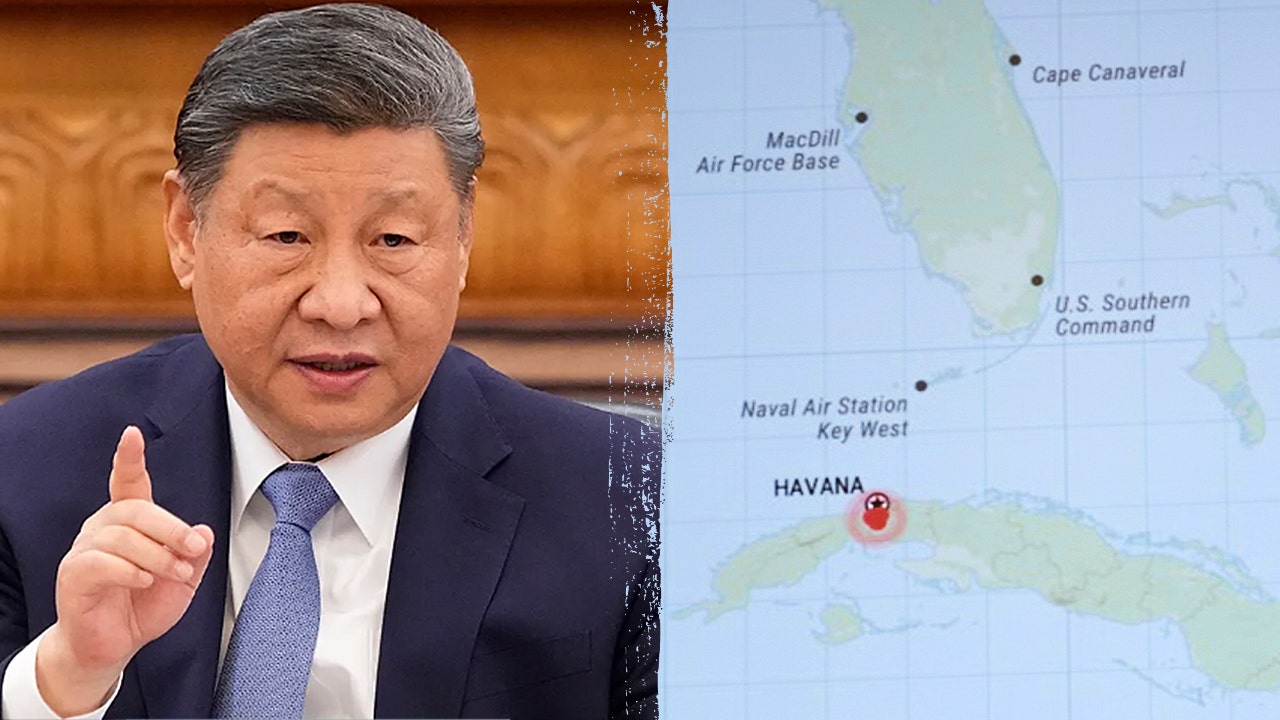
U.S. reporting and satellite analysis indicate construction and upgrades at the Bejucal signals intelligence facility outside Havana, including a larger circularly disposed antenna array (CDAA). U.S. officials and some analysts say such infrastructure could help foreign intelligence services observe electronic signatures and operational patterns of U.S. military activity in southern Florida and the nearby Atlantic (including Naval Air Station Key West, Homestead Air Reserve Base, and Cape Canaveral launches). The Center for Strategic and International Studies published a May 2025 analysis noting the new CDAA and other visible changes. Some U.S. officials and senators (including Secretary of State Marco Rubio and Sen. Rick Scott) warned that Russia and China have a presence or interest in Cuban intelligence facilities; other analysts caution there is no unclassified “smoking gun” publicly linking China to operational control, and that encrypted communications remain difficult to directly intercept. Cuban and Chinese officials deny the allegations. The reporting appears amid increased U.S. pressure on Havana, including expanded sanctions and a criminal indictment of former Cuban leader Raúl Castro. Experts note these facilities are useful for long-term patterning and direction-finding rather than necessarily reading encrypted content, and that foreign access can take multiple forms that do not require large on-site personnel.
Biblical Reflection
Viewed through a Christian lens, this report raises two legitimate moral responsibilities: seek and speak the truth, and pursue peaceable, just responses that protect neighbors. The factual elements — satellite imagery of construction, expert analysis about what CDAAs can do, and officials’ public warnings — justify careful concern and sober attention to national security. At the same time, the article mixes confirmed observations, expert caution, and partisan rhetoric; it highlights risks without presenting definitive public proof of direct foreign control. Christians should therefore resist panic and partisan amplification, demanding careful verification and transparent accountability from leaders while supporting prudent measures to protect civilians and servicemembers. The desire to safeguard a nation is not wrong, but our responses should be guided by humility, truth-seeking, and a preference for diplomatic and lawful means where feasible. Finally, remember the human realities behind geopolitical maneuvering: Cubans, Americans, and foreign actors are part of God’s common creation and deserve actions shaped by justice and mercy rather than fear-driven escalation.
Scripture in context
This outlook does not yet include contextual Scripture citations. Do not treat a general biblical theme as an exegetical conclusion.
Faithful Response
No prescribed response is offered. Consider the reflection prompts below in your own church context.
Reflection and Discussion
- 1Are public warnings framed to encourage informed vigilance or to advance a political agenda — and how can I tell the difference?
- 2How should Christians weigh legitimate national security concerns against the call to pursue peace and seek diplomatic solutions?
- 3What standards of evidence should we demand from leaders before supporting escalatory policies that affect other nations and peoples?
Sources
Reporting links are evidence inputs; Sanctuary News' biblical reflection is commentary.
This outlook currently relies on fewer than two linked sources. Broaden verification before teaching from it.
- 1.Original reportprimary