News Summary
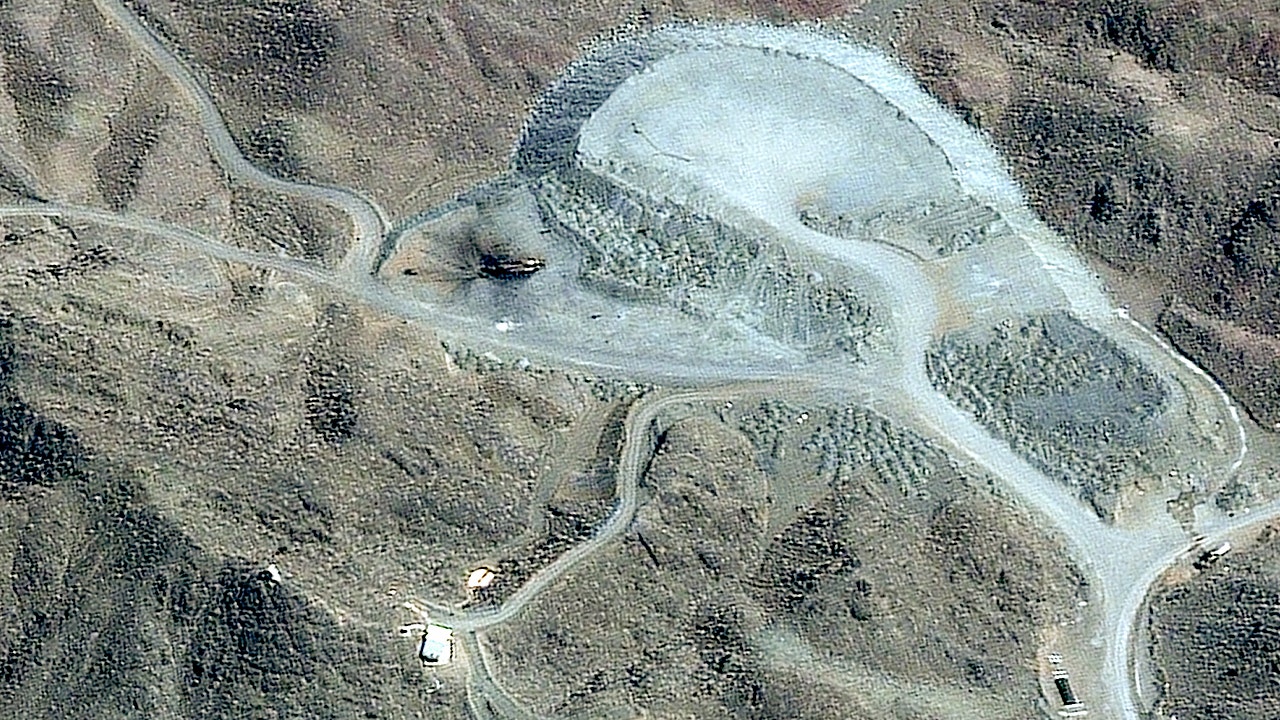
A Washington-based research institute (ISIS) published analysis of late-June 2026 satellite imagery indicating continued construction and vehicle activity at an underground site in the Zagros Mountains called Pickaxe Mountain. IAEA inspectors have reportedly not been allowed access to the site. ISIS analysts say work at Pickaxe Mountain has continued since at least 2020 and that the site may be large enough to host an enrichment plant; they argue Iran should halt construction as a good-faith confidence-building measure. The report notes other Iranian sites: limited observed activity at Natanz, no observed activity at Esfahan, and defensive earthworks and backfilled portals at Fordow. The article references a U.S.–Iran memorandum of understanding (MOU) that it says requires Iran to maintain a status quo at nuclear-related sites; it also notes Operation Epic Fury (a U.S. and Israeli campaign launched February 28, 2026) in the broader context of U.S. concerns about Iran’s capabilities. Fox News Digital sought comment from the U.S. State Department and the Iranian Mission to the U.N.; the IAEA declined to answer a detailed query about whether it would seek access to Pickaxe Mountain in response to the outlet's questions.
Biblical Reflection
From a Christian pastoral perspective, the report raises legitimate concerns about secrecy, potential proliferation, and the risk of escalation — matters that touch on truth-telling, protection of the vulnerable, and the pursuit of peace. The article primarily relays the findings and interpretation of a single research institute and uses satellite imagery as evidence; such evidence can be persuasive but is interpretive, so Christians should be cautious about accepting worst-case conclusions without corroboration and should notice when rhetoric slides from analysis into dehumanizing characterizations. The underlying worldview in the piece emphasizes security, deterrence, and verification through outside inspection; that aligns with responsibilities to seek justice and protect neighbors, but it can also encourage suspicion and adversarial attitudes that make diplomatic resolution harder. A faithful response honors truth by seeking independent verification (including support for robust IAEA access), practices mercy by resisting demonizing language, and pursues courageous peacemaking that holds wrongs accountable while preferring diplomatic pathways to open conflict.
Scripture in context
This outlook does not yet include contextual Scripture citations. Do not treat a general biblical theme as an exegetical conclusion.
Faithful Response
No prescribed response is offered. Consider the reflection prompts below in your own church context.
Reflection and Discussion
- 1What evidence would be needed beyond satellite imagery to move from reasonable concern to a definitive judgment about the site's purpose?
- 2How does the language used in analysis and reporting shape our view of another nation — as a dangerous adversary to be destroyed, or as a neighbor capable of change under accountability?
- 3Are international institutions and inspection mechanisms being supported or undermined by the choices of powerful states and public rhetoric in this situation?
Sources
Reporting links are evidence inputs; Sanctuary News' biblical reflection is commentary.
This outlook currently relies on fewer than two linked sources. Broaden verification before teaching from it.
- 1.Original reportprimary