News Summary
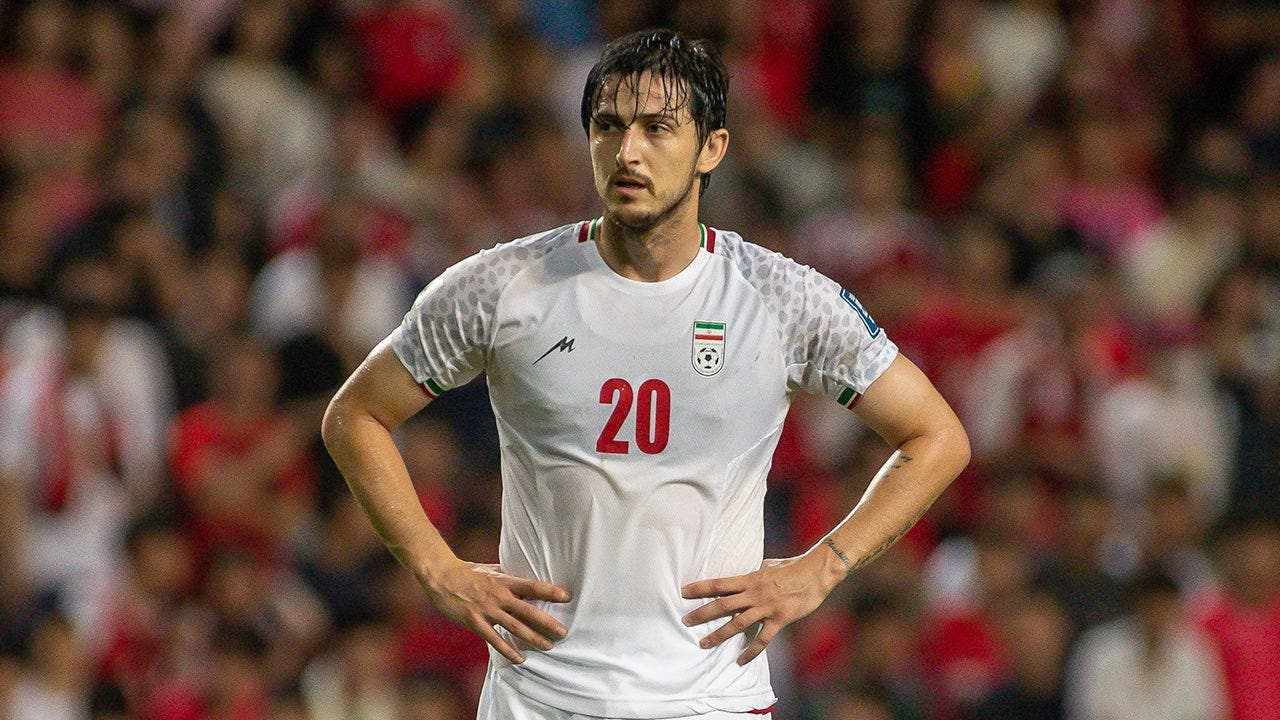
Iran announced its 26‑man roster for the 2026 FIFA World Cup, and Sardar Azmoun — a 31‑year‑old striker — was not included. Coach Amir Ghalenoei had removed Azmoun from the national squad in March after a social‑media post showing Azmoun with Mohammed bin Rashid Al Maktoum, the Emir of Dubai. Azmoun deleted the photo but Iranian authorities said the post constituted a disloyal act and accused him of 'treason.' Iran’s World Cup squad includes players based both domestically and abroad (including Mehdi Taremi). The team has trained in Antalya, Türkiye, and will use Tijuana, Mexico, as its World Cup base before playing group matches in U.S. venues (SoFi Stadium in Inglewood, Los Angeles, and Lumen Field in Seattle). Some Iranian players have not played since February amid regional conflict. FIFA confirmed Iran will compete in the tournament and did not change its group match locations.
Biblical Reflection
This story sits at the crossroads of sports, national identity, and geopolitics. On the facts presented, an athlete was omitted from a major sporting roster after a political backlash to a social‑media post; Iranian authorities labeled the act 'treason.' From a Christian discernment perspective, several dynamics matter: the tendency to conflate civic or national loyalty with personal associations; the use of punitive language that can quickly dehumanize a person; and the instrumentalizing of athletes as symbols in political conflicts. The article reports these developments but also carries framing choices — emphasizing the political ties of the Emir and the war context — that invite readers to view the exclusion primarily as political retribution. Christians should ask whether reporting fairly distinguishes reported claims from verified facts and be sensitive to how fear and nationalism can lead to harsh treatment of individuals. Pastoral concerns include care for Azmoun as a neighbor under pressure, concern for truth in public accusation, and prayer for just and peaceful handling of disputes. At the same time, national governments often cite security and solidarity concerns in heated conflicts; the Christian response should hold both justice and mercy in tension, resisting quick endorsement of punitive labels while recognizing legitimate public safety questions. Finally, remember that sports can both bridge and inflame divisions — Christians are called to seek reconciliation where possible and to advocate for humane treatment of those caught between loyalties.
Scripture in context
This outlook does not yet include contextual Scripture citations. Do not treat a general biblical theme as an exegetical conclusion.
Faithful Response
No prescribed response is offered. Consider the reflection prompts below in your own church context.
Reflection and Discussion
- 1How does the article frame the cause of Azmoun's exclusion — as a verified legal finding, a political accusation, or a reported claim — and what language signals that framing?
- 2What pressures do governments face that might lead them to publicly accuse a national figure of disloyalty, and how should Christians weigh claims of national security against commitments to fairness and due process?
- 3In what ways does treating athletes as political symbols help or harm the common good, and how might Christians encourage spaces where sports foster reconciliation rather than division?
Sources
Reporting links are evidence inputs; Sanctuary News' biblical reflection is commentary.
This outlook currently relies on fewer than two linked sources. Broaden verification before teaching from it.
- 1.Original reportprimary