News Summary
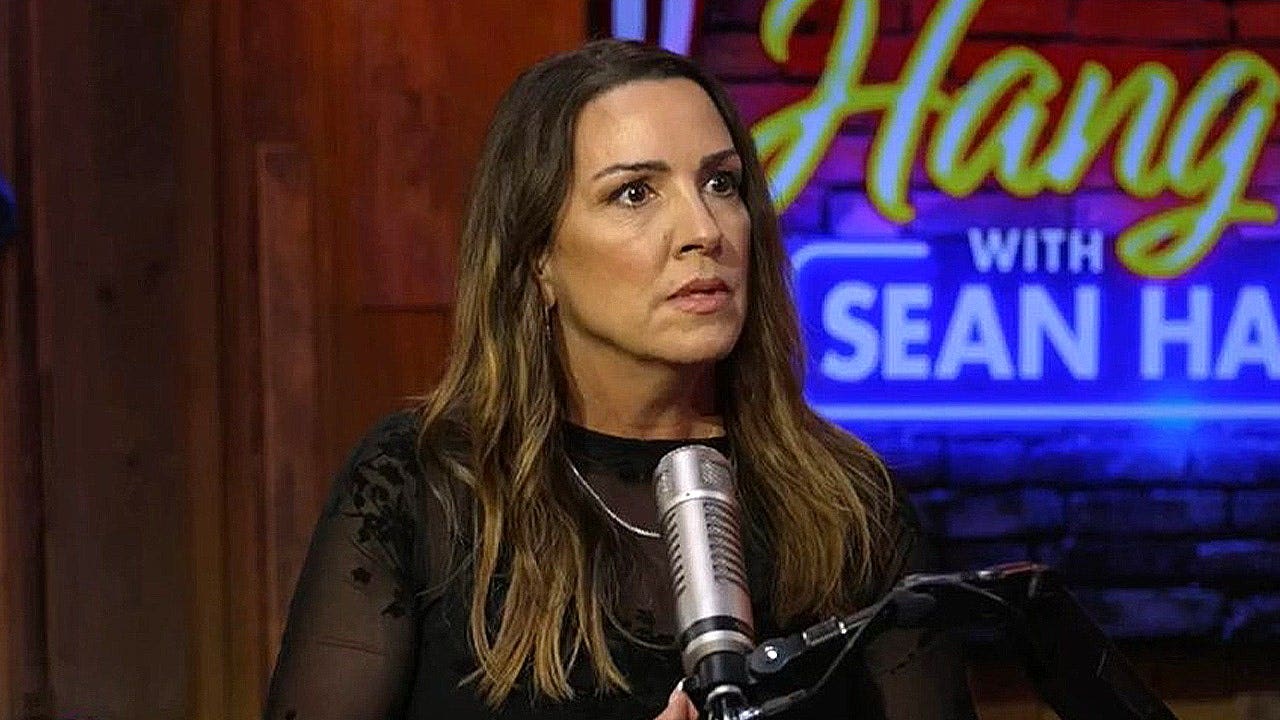
On a Fox News Media podcast appearance, investigative journalist Sara Carter said she and John Solomon began investigating what they believed was possible FBI surveillance of then-President-elect Donald Trump after sources raised concerns. Carter recounted telling Solomon she believed "there are people in the FBI spying on President-elect Trump." Solomon initially expressed skepticism but later says he was approached in 2017 by two unidentified government officials who told him he was at "the tip of a very large iceberg" and urged him to continue investigating, alleging a politically motivated misuse of intelligence. The article describes Solomon recalling seeing a government vehicle outside his home and being told the issue was "far deeper" than he had discussed on television. Carter said, with help from sources, she and Solomon were able to "unravel the beginnings" of what she called a major story. The article reports these claims and recollections as presented on the program; it does not provide independent documentation or external verification of the alleged surveillance, the identities of the unnamed officials, or the broader assertions about an 11-year conspiracy.
Biblical Reflection
From a Christian perspective, this article raises important but unsettled claims about government power, journalistic responsibility, and public trust. Seeking truth is a biblical impulse: journalists and citizens should pursue facts and insist on accountability for institutions that wield significant authority. At the same time, the story is presented through partisan media and relies heavily on anonymous sources and personal recollection. That combination increases the risk of confirmation bias, narrative framing, and public polarization. Christians should therefore welcome careful investigation and transparency while resisting the rush to definitive conclusions when evidence is not publicly verifiable. We must balance a desire for justice and institutional reform with humility, mercy, and the avoidance of vilifying named people or institutions without substantiated proof. Practically, this means asking whether reporting centers verifiable facts or personal narrative, recognizing the power of partisan platforms to shape perception, and praying for integrity among journalists, public servants, and citizens alike.
Scripture in context
This outlook does not yet include contextual Scripture citations. Do not treat a general biblical theme as an exegetical conclusion.
Faithful Response
No prescribed response is offered. Consider the reflection prompts below in your own church context.
Reflection and Discussion
- 1Are the claims in this piece based on independently verifiable evidence or on unnamed sources and personal recollection, and how should that affect my confidence in them?
- 2How does the partisan context of a news platform shape which details are emphasized and how I interpret allegations about institutions?
- 3When I hear allegations of institutional wrongdoing, am I seeking justice in a way that also preserves mercy, humility, and a commitment to verified truth?
Sources
Reporting links are evidence inputs; Sanctuary News' biblical reflection is commentary.
This outlook currently relies on fewer than two linked sources. Broaden verification before teaching from it.
- 1.Original reportprimary