News Summary
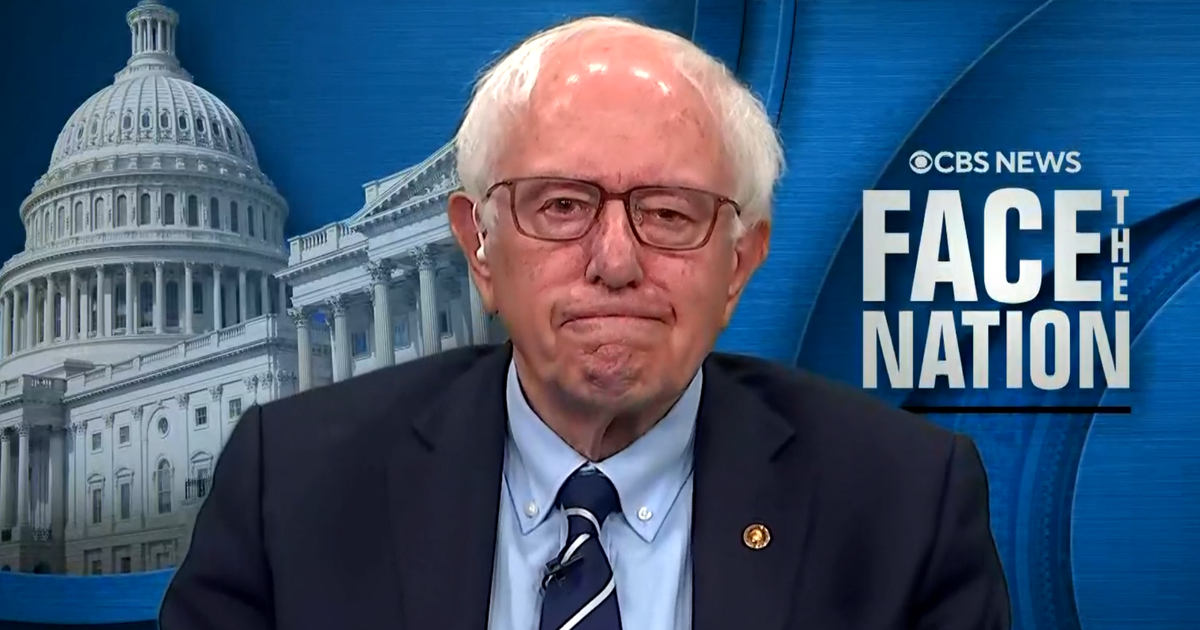
Reported facts: Senator Bernie Sanders stated that polls show voters want change and that progressive candidates face a major obstacle from massive spending by the 'billionaire class.' Attributed claims: Sanders asserted (1) that polls indicate voters want change, and (2) that large spending by wealthy donors is the key obstacle for progressives. Uncertainty: The article does not cite specific polls, spending totals, or particular races to substantiate those claims.
Source and Framing Analysis
The article relays Sanders' statements but provides no independent data (no poll citations, no spending figures, no named races). The phrase "billionaire class" is politically charged and frames the issue as a struggle between wealthy elites and progressives; that framing may shape readers' interpretation without presenting evidentiary detail. The piece functions primarily as reporting of a political figure's viewpoint rather than investigative analysis.
Biblical Reflection
Sanders’ remarks raise two related concerns Christians should notice: the influence of money on democratic processes, and the way political language frames opponents. Scripture repeatedly challenges both the worship of wealth and the mistreatment of neighbors; at the same time it calls believers to careful truth-telling, humility, and peacemaking. When public leaders point to concentrated wealth as a political barrier, that raises legitimate questions about fairness, access, and civic health that Christians can examine through the twin lenses of justice and stewardship.
At the same time, the article presents Sanders’ view without independent evidence (no polls or spending data are cited). Christians should therefore receive the claim as an attributed political judgment rather than an established fact. Our obligations are to seek the truth (fact-check and follow data where possible), to speak with charity about political opponents, and to advocate reforms that protect the vulnerable — for example, supporting transparency in campaign finance or civic reforms that reduce unequal influence — while avoiding demonizing language that undermines neighbor-love.
Finally, Christian civic participation is not limited to voting; it includes prayer, informed discernment, coalition-building across differences, and practical service that strengthens institutions. Whether or not Sanders’ assessment is fully borne out by the data, the underlying pastoral questions remain: how does money shape policy and whose needs are being heard? Christians can press for accountability while practicing humility, mercy, and a commitment to the common good.
Scripture in context
- 1Matthew 6:24 — In the Sermon on the Mount, Jesus warns about divided loyalties, teaching that humans cannot serve both God and wealth; the passage addresses priorities and the moral danger of making money an ultimate authority. — Applied to politics, the passage reminds Christians to evaluate where our ultimate trust lies, to be cautious of systems that elevate money above human dignity, and to resist allowing financial power to determine moral and communal priorities.
Faithful Response
Pray for discernment before engaging political rhetoric and for protection of democratic institutions.
Seek reliable information: look for polling data, campaign finance reports, and independent analyses before accepting broad claims.
Advocate for transparency and reforms (e.g., disclosure, limits on outside spending) that reduce undue influence while protecting free participation.
Engage in local civic life—volunteer, support civic education, and strengthen communities so political power is not concentrated.
Reflection and Discussion
- 1How does the possibility of concentrated wealth influencing elections change the way we evaluate political claims and candidates?
- 2Are we responding to claims about political money with informed inquiry or with quick judgment and partisanship?
- 3How can Christians advocate for fair democratic processes while sustaining compassion for those on every side of political debates?
Sources
Reporting links are evidence inputs; Sanctuary News' biblical reflection is commentary.
This outlook currently relies on fewer than two linked sources. Broaden verification before teaching from it.
- 1.Sanders says polls show voters want change in midterm electionsprimary_reporting