News Summary
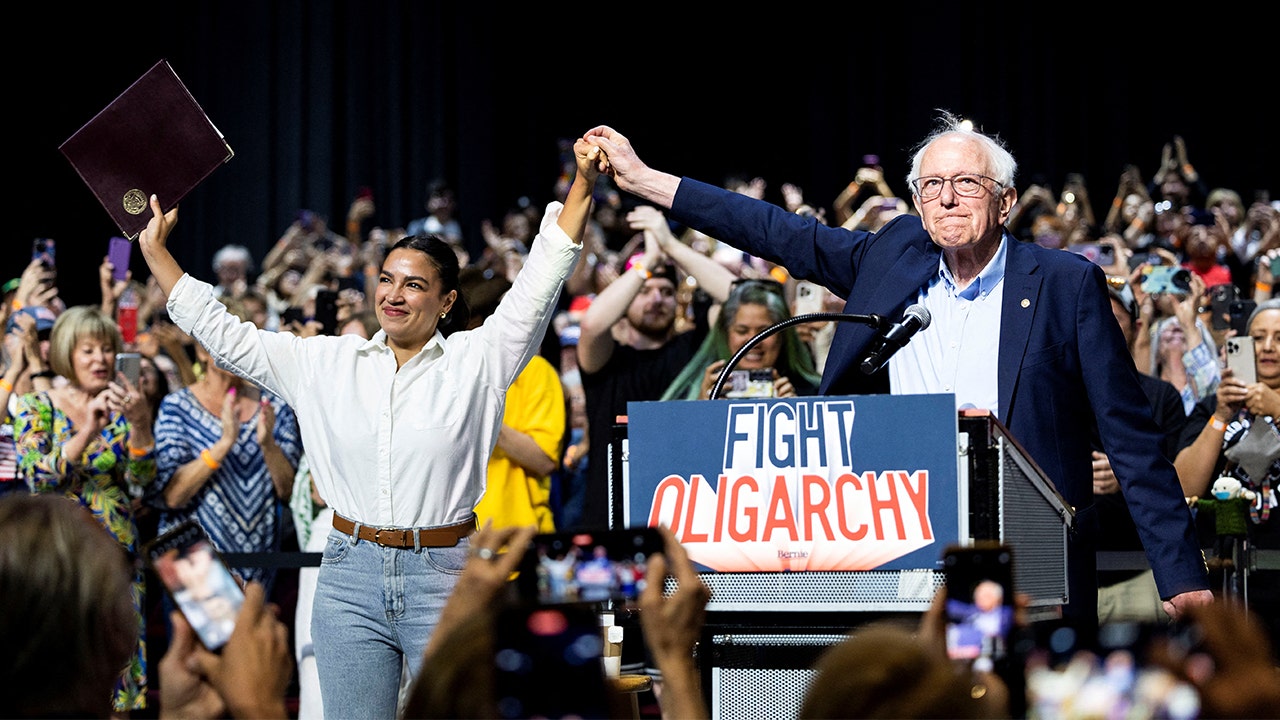
Sen. Bernie Sanders and Rep. Alexandria Ocasio-Cortez are campaigning with Abdul El-Sayed in Michigan ahead of the Aug. 4 Democratic Senate primary, which El-Sayed is contesting against Rep. Haley Stevens. Polling cited (Detroit News/WDIV) showed Stevens leading El-Sayed by seven points after Mallory McMorrow withdrew from the race. The primary winner will face former Rep. Mike Rogers in the general election for the open seat being vacated by Sen. Gary Peters. El-Sayed, described in the article as a progressive or “far-left” candidate, supports Medicare-for-all, has called for abolishing ICE, has criticized Israel’s actions in Gaza with language including “genocide,” and has pledged not to accept PAC donations. Stevens is backed by Senate Democratic leadership, including Sen. Chuck Schumer, and by outside spending from United Democracy Project/AIPAC-aligned efforts, which the article says has spent nearly $15 million in support of Stevens. Peters recently endorsed Stevens. The piece notes outside spending on both sides, claims about Republican efforts to boost El-Sayed in the primary, and frames the contest as part of a broader ideological struggle within the Democratic Party between progressives and the center-left establishment.
Biblical Reflection
This article reports a clear intra-party contest over ideology, electability, and outside influence. The central tensions are substantive (policy differences on health care, immigration, and foreign policy) and strategic (party leaders’ concern about winning a competitive general election). The reporting uses loaded language—"far-left," "parachute," and emphasis on AIPAC spending—that signals editorial framing and may influence readers’ perceptions of candidates beyond their records. From a Christian standpoint, we should weigh three things: truthfulness of claims (seek primary sources beyond characterizations), the impact of money and external actors on local democratic choice, and the spiritual cost of tribalizing political differences. Christians are called to pursue the common good and to test claims against facts, not rhetoric. That means resisting simplistic labels, listening to the policy specifics and character of candidates, and rejecting dehumanizing language toward opponents. At the same time, Christians can legitimately consider electability and stewardship of civic responsibility—voting for leaders who are both just and prudent in advancing the welfare of neighbors. Finally, public discourse shaped by fear or demonization undermines opportunities for reconciliation; Christians should model patience, courage to speak truth in love, and care for vulnerable populations affected by policy choices (including those in Michigan and overseas).
Scripture in context
This outlook does not yet include contextual Scripture citations. Do not treat a general biblical theme as an exegetical conclusion.
Faithful Response
No prescribed response is offered. Consider the reflection prompts below in your own church context.
Reflection and Discussion
- 1How does the article’s language (e.g., “far-left,” “parachute”) shape your view of the candidates before you examine their specific policies and records?
- 2What effects do large outside expenditures have on local democratic choice, and how should Christians weigh the influence of money when discerning civic responsibilities?
- 3Are we evaluating candidates by charitable standards seeking the common good, or by purity tests that prioritize factional advantage over community well-being?
Sources
Reporting links are evidence inputs; Sanctuary News' biblical reflection is commentary.
This outlook currently relies on fewer than two linked sources. Broaden verification before teaching from it.
- 1.Original reportprimary