News Summary
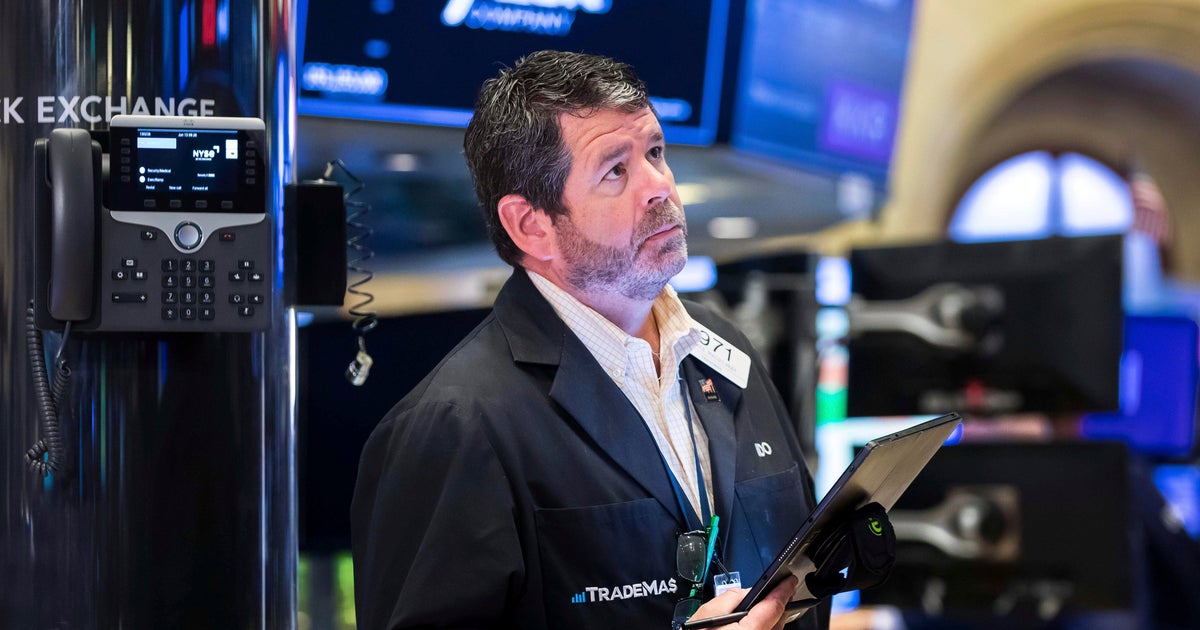
In May 2026 the S&P 500 reached multiple record highs (nine records in May), even as gasoline prices rose, consumer confidence fell, and inflation remained the highest in nearly three years. Wall Street firms are increasingly optimistic: Goldman Sachs raised its year-end S&P 500 target to 8,000 (about 6% above the index's level at publication). Analysts cited three main drivers: unusually strong first-quarter corporate earnings (technology companies reporting roughly 50% average earnings growth in the quarter and non-tech U.S. corporations reporting about 20% growth), downward pressure on the S&P 500 price-to-earnings ratio because earnings estimates rose faster than prices (Goldman reports the forward P/E fell to 21 from 23 at end of 2025), and investor expectations that artificial intelligence will raise productivity and future profits. Commentators also said investors are pricing in the possibility that the U.S.–Iran conflict will ease soon, which would lower oil prices and ease inflationary pressures. The article notes risks that could reverse the rally: the Iran fighting could continue and push energy prices higher, AI leaders might fail to meet elevated expectations (raising bubble concerns), and persistent inflation could keep Federal Reserve rates higher for longer—factors that could raise bond yields and cap equity gains.
Biblical Reflection
The article reports market developments through the perspective of Wall Street analysts and frames optimism around earnings, AI-led productivity gains, and a hoped-for diplomatic easing of the Iran conflict. That perspective is not incorrect, but it is partial: it centers investor expectations and corporate performance rather than the lived economic strain many households feel from higher gas and consumer-price pressures. As Christians we should prize truth-telling and careful stewardship. Truth: markets can rise while many struggle—the appearance of prosperity in indices is not the same as broad human flourishing. Humility: financial forecasts and optimistic narratives (about AI or a quick diplomatic resolution) can be rightly hopeful but also prone to overconfidence; history warns against equating technological promise or market momentum with guaranteed blessing. Mercy and neighbor-love call Christians to ask how market gains affect the vulnerable—workers displaced by automation, families squeezed by inflation, and regions affected by geopolitical conflict. Ethically, AI-driven productivity raises questions about justice, fair labor transitions, and concentrated corporate power that Christians should not dismiss. Finally, the article leans heavily on Wall Street sources and upbeat projections; readers should weigh that with independent data, consider downside scenarios the piece notes, and pray for wisdom in stewardship of resources and public policy that protects the poor.
Scripture in context
This outlook does not yet include contextual Scripture citations. Do not treat a general biblical theme as an exegetical conclusion.
Faithful Response
No prescribed response is offered. Consider the reflection prompts below in your own church context.
Reflection and Discussion
- 1Whose experiences are centered by a story that highlights index records and analyst targets—investors and corporations, or everyday households facing higher prices?
- 2Are we tempted to equate rising markets with general well‑being, and how should Christians weigh technological promise (like AI) against likely social costs such as job displacement and inequality?
- 3How should hope for diplomatic de-escalation be balanced with sober preparedness when commentators describe peace prospects as 'rose-tinted'?
Sources
Reporting links are evidence inputs; Sanctuary News' biblical reflection is commentary.
This outlook currently relies on fewer than two linked sources. Broaden verification before teaching from it.
- 1.Original reportprimary