News Summary
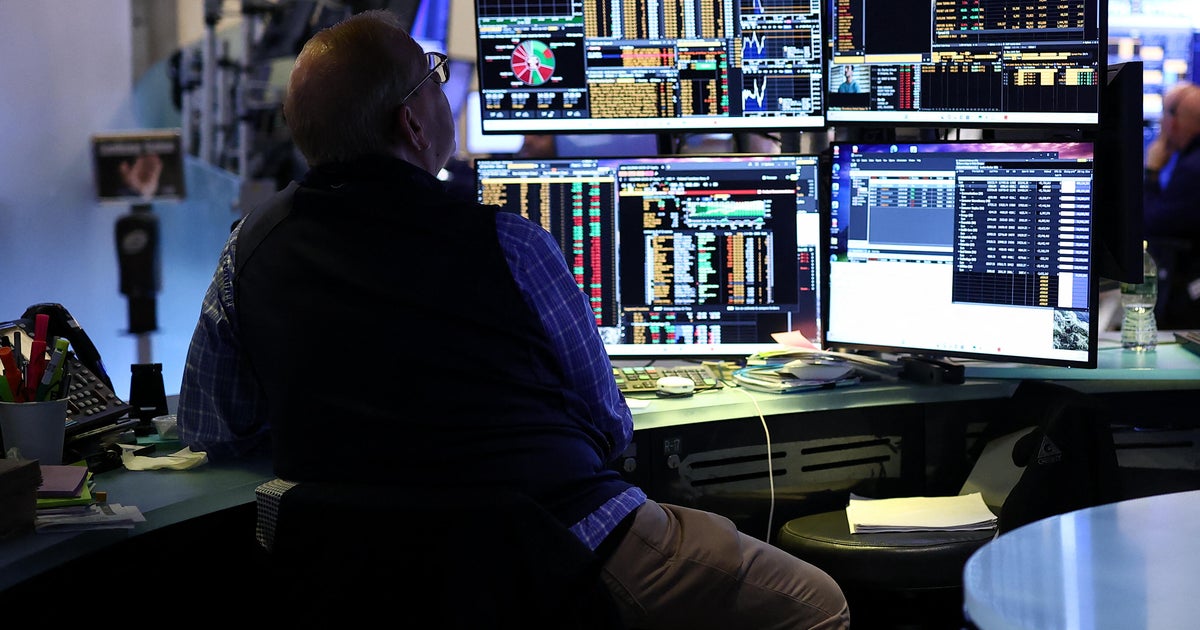
On April 15, 2026, the S&P 500 closed at a record 7,023, up 56 points (0.8%), surpassing its prior high of 6,979 from January 27. The Nasdaq Composite also closed at a record 24,016, up 377 points (1.6%), while the Dow fell 72 points (0.2%). The market rebound follows a late-March correction when the Dow dropped at least 10% from its recent high. Investors are continuing to price in optimism that the conflict involving Iran will de-escalate; CBS News cites analysts who say Wall Street expects the economic fallout to be brief despite higher gasoline prices and hotter inflation. The U.S. has imposed a blockade of Iranian ports this week. President Trump said in an interview that fighting in Iran is 'very close to over.' Analysts and firms quoted (Wells Fargo, Vital Knowledge, deVere Group) point to strong corporate earnings (Bank of America reported $8.6 billion for Q1, Morgan Stanley also beat expectations), continued investment in artificial intelligence, larger tax refunds, and low unemployment as drivers of market strength. Wells Fargo projected year-end S&P levels of 7,400–7,600. Major technology companies (Alphabet, Amazon, Apple, Microsoft) are scheduled to report earnings next week, which could further influence markets.
Biblical Reflection
The article highlights a common financial-world posture: prioritizing data, corporate results, and expert forecasts to justify confidence even amid geopolitical risk. That perspective is not inherently false — markets do respond to fundamentals and expectations — but it reflects an implicit trust in human systems (corporate resilience, analytics, and geopolitical forecasting) to contain and neutralize larger dangers. The piece gives prominent space to market metrics and analyst projections while giving minimal attention to humanitarian consequences of the Iran conflict or to the limits of forecasting. From a Christian standpoint, this invites two responses: measured discernment and compassionate concern. Measured discernment means recognizing that short-term market optimism can be driven by expectations that may change rapidly; analysts’ models are useful but fallible. Scripture warns against placing ultimate security in wealth, power, or human plans (e.g., Proverbs, Jesus’ teaching on treasures). Compassionate concern means not letting economic narratives crowd out awareness of human suffering caused by war, nor treating geopolitical conflict only as an economic input. The article’s framing privileges financial stability as the primary lens for interpreting the conflict; Christians should notice that bias and ask where our trust lies — in markets or in God — while responding to present needs with mercy. Finally, the piece’s tone of reassurance should be weighed against uncertainty: market records do not guarantee broad material security for all, nor do they resolve moral and spiritual costs of war.
Scripture in context
This outlook does not yet include contextual Scripture citations. Do not treat a general biblical theme as an exegetical conclusion.
Faithful Response
No prescribed response is offered. Consider the reflection prompts below in your own church context.
Reflection and Discussion
- 1What assumptions about safety and stability does Wall Street’s optimism make, and how might those assumptions overlook human suffering or moral costs?
- 2How does the article’s emphasis on records, earnings, and forecasts shape our view of the Iran conflict — as an economic variable rather than a human tragedy?
- 3Are we tempted to find our security in market signals and expert projections rather than in God’s providence and justice?
Sources
Reporting links are evidence inputs; Sanctuary News' biblical reflection is commentary.
This outlook currently relies on fewer than two linked sources. Broaden verification before teaching from it.
- 1.Original reportprimary