News Summary
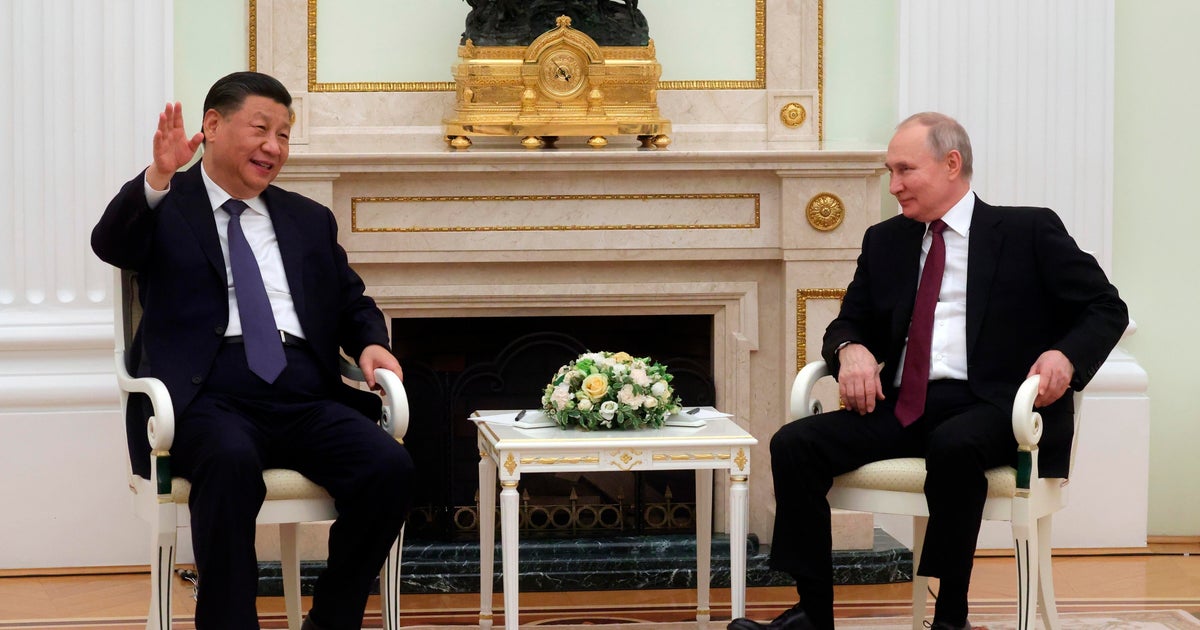
The Kremlin announced that Russian President Vladimir Putin will travel to Beijing for a two-day visit on May 19–20 to meet with Chinese leader Xi Jinping. The leaders are expected to discuss bilateral relations, economic cooperation, and regional and international issues. The trip coincides with the 25th anniversary of the 2001 Sino-Russian Treaty of Friendship. The Kremlin said a joint statement at the highest level and multiple intergovernmental and interdepartmental documents are expected to be signed. The announcement came less than 24 hours after U.S. President Donald Trump completed a state visit to China, where he also met with Xi to discuss trade and the war in Iran. Media reporting noted that Trump promoted his visit as successful, but experts cited by CBS News said concrete trade breakthroughs were not apparent and questions remained about U.S. arms sales to Taiwan. The article notes that China–Russia ties have deepened since Russia’s 2022 invasion of Ukraine and that Putin previously visited China in September 2025 and is scheduled to attend the APEC summit in Shenzhen in November.
Biblical Reflection
Factually, the article reports routine high-level diplomacy between major powers; the timing near President Trump’s visit is newsworthy but does not by itself prove a coordinated strategy. Through a biblical lens, several considerations stand out: (1) Power and pride are recurring realities — nations and leaders pursue security, influence, and advantage. Scripture warns against trusting human power alone (Psalm 146:3) and calls Christians to pray for rulers (1 Timothy 2:1–2). (2) The coverage’s framing — highlighting the back-to-back visits and emphasizing rivalries — reflects a worldview that expects zero-sum competition. That framing can encourage fear or simplistic partisan conclusions. Christians should recognize genuine geopolitical threats and injustices (e.g., war, coercion, pressure on smaller states) without succumbing to alarmism or uncritical alignment with any earthly power. (3) The article cites expert commentary about limited tangible outcomes from the U.S. visit; readers should note the distinction between diplomatic symbolism and substantive policy change. Discernment requires asking what concrete commitments are made, who benefits, and what the likely human consequences will be for vulnerable peoples (e.g., civilians in war zones, Taiwan’s security). Overall, the event invites prayerful attention rather than partisan certainty: seek truth, avoid idolizing national leaders or geopolitical narratives, and advocate for justice, peace, and the protection of the vulnerable.
Scripture in context
This outlook does not yet include contextual Scripture citations. Do not treat a general biblical theme as an exegetical conclusion.
Faithful Response
No prescribed response is offered. Consider the reflection prompts below in your own church context.
Reflection and Discussion
- 1How does the article’s emphasis on timing (Putin’s visit coming after Trump’s) shape your instinct about global alignment — does it push you toward seeing deliberate conspiracy or routine diplomacy?
- 2What concrete information is missing (specific agreements, timelines, legal texts) that would help you separate diplomatic symbolism from substantive policy change?
- 3Whose welfare is most affected by the deepening ties between major powers here, and how should that shape Christian concern and prayer?
Sources
Reporting links are evidence inputs; Sanctuary News' biblical reflection is commentary.
This outlook currently relies on fewer than two linked sources. Broaden verification before teaching from it.
- 1.Original reportprimary