News Summary
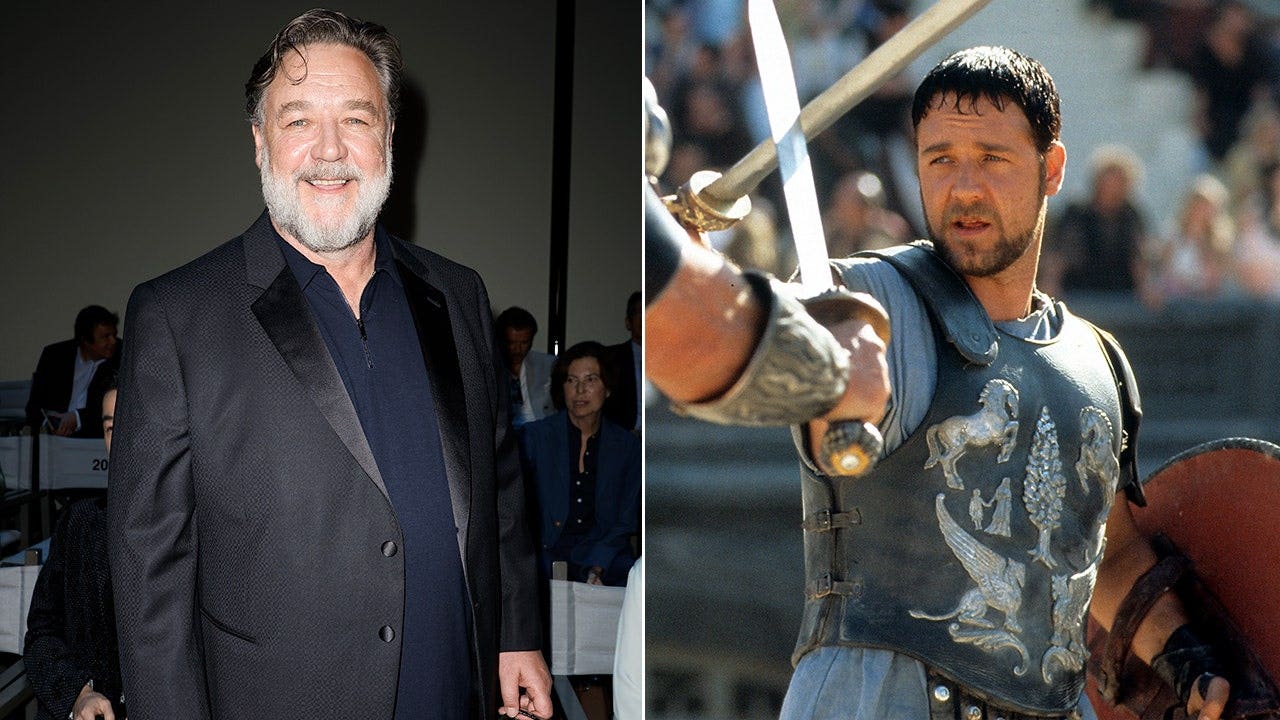
At a Taormina Film Festival panel, Russell Crowe said the 2024 sequel to Gladiator failed because it lacked the "moral core" of the original 2000 film. He recalled studio pressure during the original to include sexual scenes, which he and director Ridley Scott resisted, arguing such scenes would undermine Maximus's grieving and vengeful journey; an intimate scene with Connie Nielsen was omitted. Crowe noted the original grossed about $465.5 million worldwide in 2000 while the 2024 sequel earned about $462.1 million, and argued that when adjusted for inflation the original outperformed the sequel. He also said the original drew more women to theaters early in release and characterized the film as being about vengeance rather than revenge, attributing its success to a moral center. The article mentions the sequel's principal cast (Paul Mescal as Lucius; Denzel Washington as Macrinus) and includes brief promotional comments from Denzel Washington about Ridley Scott's production design.
Biblical Reflection
From a Christian pastoral perspective, Crowe’s remarks highlight a substantive and familiar concern: stories shaped by a clear moral center can form conscience and resonate deeply. The article reports an artist reflecting on artistic integrity, restraint, and the ethical decisions behind storytelling—issues Christians rightly care about because stories shape hearts and imaginations. At the same time, Crowe’s claim that the sequel "failed" solely because it lost a moral code is interpretive and subjective. Box-office performance and reception are influenced by many factors—script, marketing, audience expectations, franchise fatigue, timing, and critics—so treating a single cause as definitive oversimplifies reality. There is also a bias to respect: as a principal actor of the original, Crowe has personal investment in how that story is remembered. Practically, the piece encourages Christians to value artistic integrity and to ask whether media affirms human dignity, sacrifice, and truth or reduces those themes to spectacle. It also cautions Christians against uncritically accepting celebrity moralizing; evaluate evidence and consider broader context before concluding a work's success or failure was moral rather than artistic or commercial.
Scripture in context
This outlook does not yet include contextual Scripture citations. Do not treat a general biblical theme as an exegetical conclusion.
Faithful Response
No prescribed response is offered. Consider the reflection prompts below in your own church context.
Reflection and Discussion
- 1When someone says a film 'lost its moral core,' what specific elements of plot, character, or tone would you look for to evaluate that claim?
- 2How do commercial pressures and audience trends shape the moral and spiritual messages films communicate?
- 3Are we more drawn to spectacle or to stories that model sacrificial love and dignity—and why does that matter for the art we support?
Sources
Reporting links are evidence inputs; Sanctuary News' biblical reflection is commentary.
This outlook currently relies on fewer than two linked sources. Broaden verification before teaching from it.
- 1.Original reportprimary