News Summary
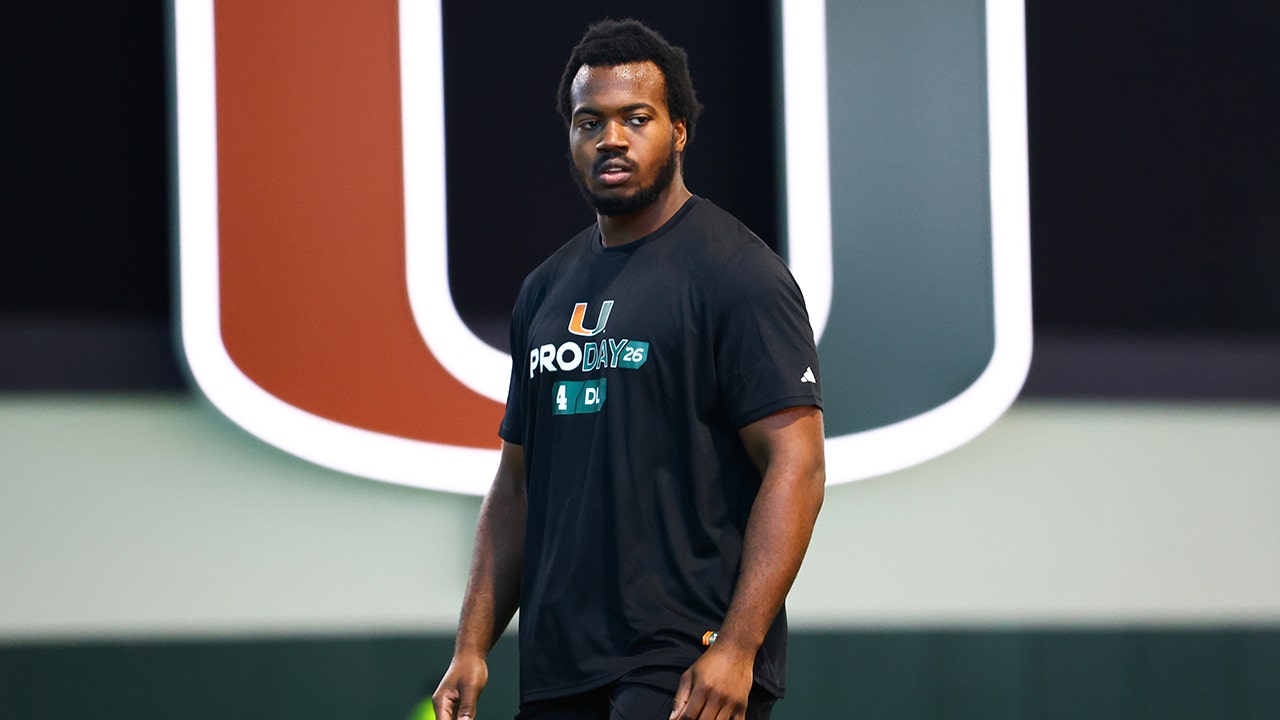
Rueben Bain Jr., a defensive end from the University of Miami and the ACC Defensive Player of the Year and a consensus All-American, was selected No. 15 overall by the Tampa Bay Buccaneers in the 2026 NFL Draft. Media coverage and draft analysts noted two main factors tied to Bain's fall from projected Top-10 contention: an unusually short arm length measured at the NFL Combine (30 7/8 inches, reported as the third-shortest for a defensive end at the combine) and a history of two automobile incidents. The article recounts a March 2024 crash on I-95 in South Florida in which passenger Destiny Betts was placed in a coma and later died three months after the collision; Bain was charged but ultimately cleared of careless driving in that case according to reporting. It also notes a subsequent October 2025 accident for which Bain was charged with careless driving. Multiple teams reportedly passed on Bain; at least one evaluator said Bain was not fully transparent about the incidents during meetings. After being selected, Bain told ESPN he believes he is the best in the country and is confident he will succeed at the next level. Buccaneers GM Jason Licht said the team had long been aware of the accidents and expressed confidence in their evaluation of Bain as a player and person. The article contrasts the emphasis on Bain's arm length with the coverage of his driving history and suggests media, agents, and team messaging shaped the public narrative around his draft slide.
Biblical Reflection
This story sits at the intersection of performance metrics, personal conduct, and public narrative. From a Christian viewpoint, several truths matter: human dignity and the seriousness of loss, the reality that all people are fallible, and the need for both accountability and grace. The media and draft ecosystem often prioritize measurable attributes (arm length, speed) and marketable narratives, which can dehumanize the people involved and obscure the harm experienced by victims and families. At the same time, legal exoneration does not automatically resolve moral questions or the real-world consequences for others. Christians should resist both rush-to-condemn sensationalism and reflexive minimization of harm. Instead, the faithful response emphasizes seeking truth, advocating for justice and care for victims, calling for honest accountability and transparency, and praying for repentance and restoration where appropriate. Practically, teams, agents, and media bear responsibility to report and evaluate with integrity rather than amplify narratives that serve ratings or draft position. For readers, the story is a reminder to evaluate people holistically—measured ability and athletic potential are real, but so are moral responsibility, the welfare of others, and the need for truthful communication. The posture Scripture encourages is neither cynical vilification nor naïve defense, but sober compassion coupled with pursuit of justice and truth.
Scripture in context
This outlook does not yet include contextual Scripture citations. Do not treat a general biblical theme as an exegetical conclusion.
Faithful Response
No prescribed response is offered. Consider the reflection prompts below in your own church context.
Reflection and Discussion
- 1Which details does the coverage emphasize (physical metrics, legal outcomes, personal demeanor), and what does that reveal about cultural priorities in sports reporting?
- 2How should legal findings and moral responsibility be weighed differently in public discourse, especially when a tragic loss has occurred?
- 3Are we inclined to demand absolute transparency from public figures, and if so, how can we balance that demand with mercy and the presumption of dignity for all involved?
Sources
Reporting links are evidence inputs; Sanctuary News' biblical reflection is commentary.
This outlook currently relies on fewer than two linked sources. Broaden verification before teaching from it.
- 1.Original reportprimary