News Summary
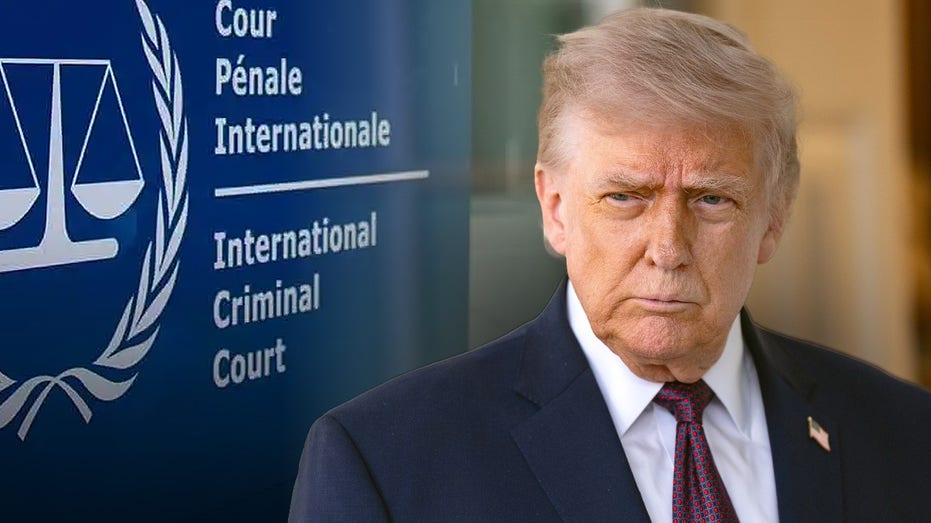
Reported facts: A Fox News opinion piece dated July 24, 2026, states Senator Marco Rubio announced the Trump administration intends to "dismantle" the International Criminal Court using sanctions, visa bans, and diplomatic pressure. Attributed claims: The article attributes to Rubio (and frames as administration policy intention) actions described as aimed at protecting American sovereignty. Uncertainty: The report is an opinion column and does not provide independent confirmation that these measures have been authorized, enacted, or that they would succeed or be lawful; independent corroboration and legal analysis are not provided in the supplied material.
Source and Framing Analysis
The piece is an opinion column on Fox News that uses charged framing (e.g., describing the ICC as "power-mad" in its headline). That framing signals a polemical viewpoint and encourages a partisan reading. Material uncertainties affecting the story include whether the administration has formally authorized the measures, the legal and diplomatic feasibility of "dismantling" the ICC by the listed means, and the likely international response. The absence of independent sources, official statements, or legal analysis in the supplied article meaningfully limits verification of the claims.
Biblical Reflection
This piece raises legitimate questions about authority, accountability, and how nations respond when they perceive international institutions as overreaching. From a Christian perspective, we should begin by seeking truth—carefully distinguishing between reported intentions, opinionated rhetoric, and verified policy. Scripture calls believers to pursue justice and to be peacemakers; that means asking whether actions promised in the name of protecting citizens will actually advance justice for victims of war crimes and deter future abuses, or whether they primarily serve political posturing.
Rhetoric that vilifies institutions can rally domestic support, but it risks hardening hearts and obscuring complex responsibilities. Christians are called to speak truth in love: to hold leaders to standards of justice and lawfulness while resisting dehumanizing language toward opponents. If the U.S. withdraws support for international accountability mechanisms, victims of atrocity may lose a pathway to justice—an outcome Christians should weigh seriously alongside legitimate concerns about sovereignty.
Finally, humility and prudence matter. The Bible commends wise counsel and the restraint of power; decisions that affect international legal order should be guided by sober analysis, consultation, and care for vulnerable neighbors, not only by slogans. Pray, ask questions, seek trustworthy information, and advocate for policies that embody both truth and mercy.
Scripture in context
- 1Matthew 5:9 — Part of the Sermon on the Mount where Jesus encourages followers to embody kingdom values that promote reconciliation and peace among people. — The passage reminds Christians to value peacemaking even in political disputes; seeking national security should be paired with efforts to reduce conflict and support just resolution rather than escalate hostility.
- 2Isaiah 1:17 — An Old Testament call to learn to do right, seek justice, defend the oppressed, and plead for the widow and the orphan; addressed to a people whose worship must be accompanied by ethical action. — This counsel presses Christians to evaluate whether policies defend the vulnerable and pursue true justice; actions taken against international institutions should be judged by whether they protect victims and uphold justice, not merely assert power.
Faithful Response
Pray for discernment for leaders and for victims of atrocities who rely on international accountability.
Seek reliable information: read official statements, legal analyses, and responses from affected communities and international bodies before forming firm judgments.
Speak and act with humility: when contacting representatives, urge policies that pair sober defense of national interests with protections for human rights and access to justice.
Support nonpartisan organizations that document atrocities and assist victims, ensuring advocacy centers victims rather than partisan advantage.
Reflection and Discussion
- 1How should Christian convictions about justice and mercy shape our evaluation of policies that target international institutions?
- 2In what ways might strong rhetoric against international courts help or hurt victims seeking accountability?
- 3What steps can Christians take to ensure their civic engagement reflects both truth and compassion in international-policy debates?
Sources
Reporting links are evidence inputs; Sanctuary News' biblical reflection is commentary.
This outlook currently relies on fewer than two linked sources. Broaden verification before teaching from it.
- 1.SEN MIKE LEE: Trump proves America can stand up to a power-mad foreign courtprimary_reporting