News Summary
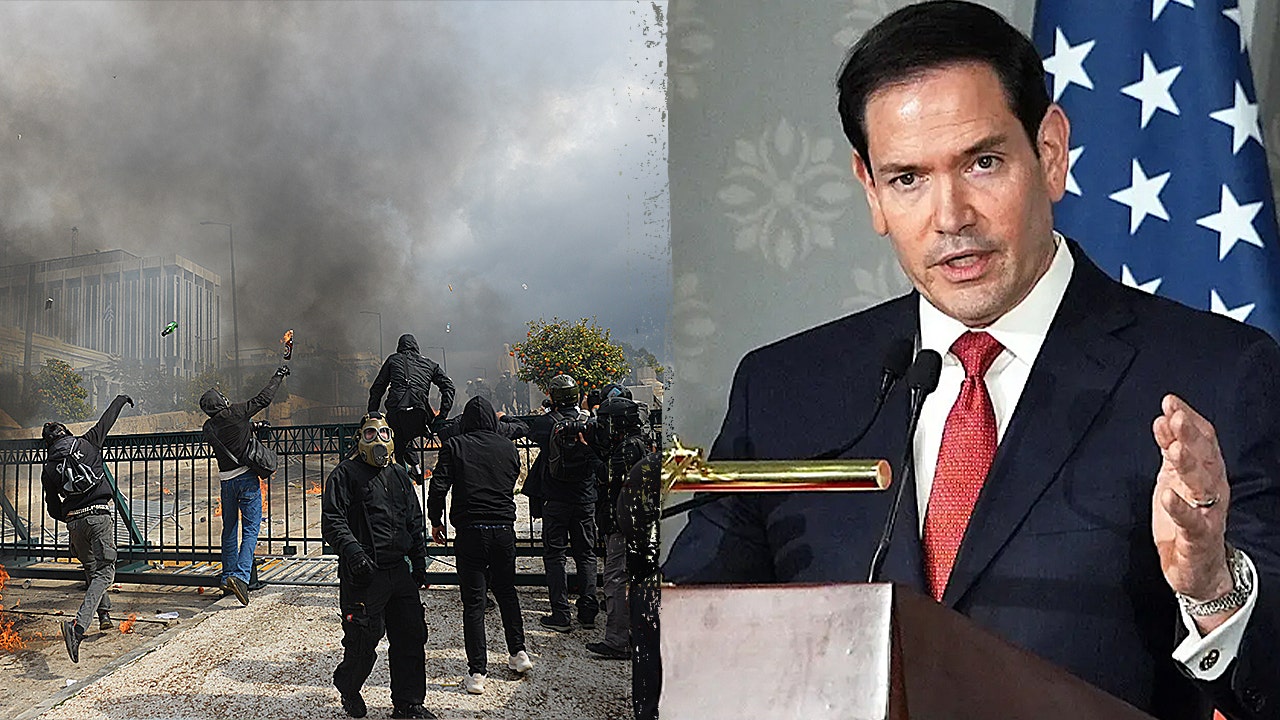
The U.S. State Department convened roughly 65 countries in a ministerial hosted by Secretary of State Marco Rubio to build international cooperation against violent far-left extremist groups. The agenda includes expanding intelligence sharing, law enforcement cooperation, countering terrorist financing, and protecting critical infrastructure. Administration officials described the meeting as the result of an eight-month diplomatic effort and said recent attacks in Europe — including a July 1 firebombing in Thessaloniki that killed a candidate’s mother and a January arson attack on a Berlin power facility that cut electricity to tens of thousands — illustrate a transnational threat. The administration previously designated four groups in November as Foreign Terrorist Organizations or Specially Designated Global Terrorists (Antifa Ost; Informal Anarchist Federation/International Revolutionary Front (FAI/FRI); Armed Proletarian Justice; Revolutionary Class Self-Defense) and offered rewards for disrupting their financing. Officials emphasized the initiative targets criminal and terrorist violence rather than protected political beliefs. The article notes some analysts and foreign officials question whether violent far-left groups constitute a cohesive international terrorism threat comparable to other extremist movements and warn of possible misuse of counterterrorism tools against political opponents. Treasury and White House officials were also expected to participate in the ministerial.
Biblical Reflection
The article reports an administration policy initiative aimed at preventing violence and protecting civilians — goals Christians should affirm. It presents government claims and concrete incidents that lend urgency, while also noting legitimate debate about scope and definition. Christians should welcome efforts to stop murderous and destructive acts, because protecting life and order is consistent with loving our neighbor. At the same time, we must be attentive to how labels and powers are applied: broad or politically selective definitions of 'terrorism' can endanger civil liberties, chill lawful dissent, and deepen social division. The underlying worldview of the initiative is security-first and enforcement-oriented, rightly prioritizing public safety but at risk of treating political conflict as primarily a law-enforcement problem rather than also a pastoral, social, and justice challenge. A faithful Christian response calls for truth-seeking (demanding clear evidence and due process), mercy (care for victims and for misguided actors who can repent), humility (acknowledging uncertainty about causes and solutions), and courage to speak against abuses of power. Christians should evaluate claims on facts, advocate proportionate responses that protect both safety and rights, and pray for reconciliation and the reduction of political violence.
Scripture in context
This outlook does not yet include contextual Scripture citations. Do not treat a general biblical theme as an exegetical conclusion.
Faithful Response
No prescribed response is offered. Consider the reflection prompts below in your own church context.
Reflection and Discussion
- 1Who decides which groups are labeled 'terrorists,' and what standards and evidence should govern that decision?
- 2Are proposed security measures narrowly tailored to criminal violence, or could they be used to suppress legitimate political dissent?
- 3How can governments combine law enforcement with community, restorative, and reconciliatory approaches to reduce political violence long-term?
Sources
Reporting links are evidence inputs; Sanctuary News' biblical reflection is commentary.
This outlook currently relies on fewer than two linked sources. Broaden verification before teaching from it.
- 1.Original reportprimary