News Summary
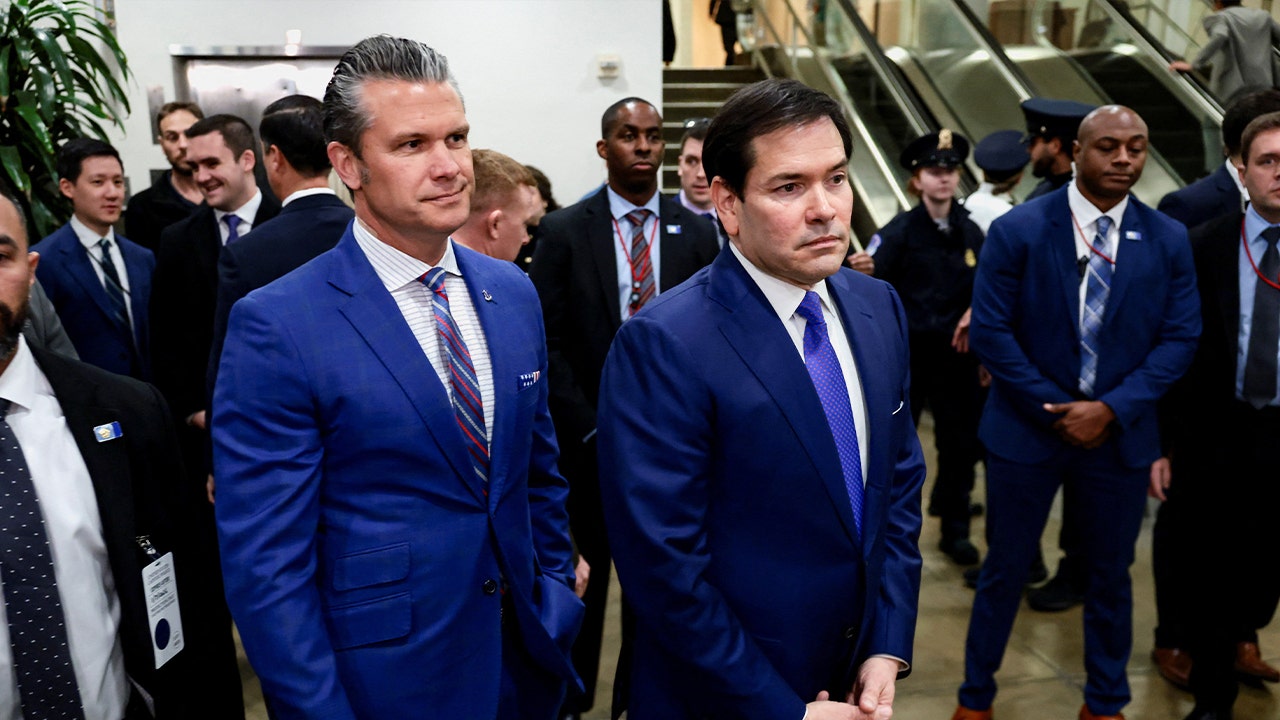
The article discusses U.S. Secretary Marco Rubio's defense of the Trump administration's strategy for Venezuela following the removal of leader Nicolás Maduro. Rubio outlined a three-phase plan: stabilization (focused on preventing chaos and controlling Venezuela's oil exports), recovery (opening oil markets, releasing political prisoners, and supporting civil society), and transition (eventually placing the future of Venezuela in the hands of its own people, though the specifics remain vague). Democrats criticized the plan's lack of detail and questioned the administration's honesty and transparency, expressing concerns about the use of military and economic leverage without a clear political endpoint. There is division in Congress, with Republicans defending the level of preparation and Democrats warning of past U.S. mistakes being repeated, especially regarding the management of Venezuelan oil and uncertainties about the transition to democracy.
Biblical Reflection
From a Christian and scriptural perspective, the story raises important questions about justice, stewardship, and the use of power. The plan's heavy reliance on controlling Venezuela's oil and using economic leverage to shape the country's future echoes the biblical warnings against placing trust in earthly power and riches (Psalm 146:3). Justice and righteousness, according to scripture, demand respect for the dignity and agency of all people, including Venezuelans themselves (Micah 6:8). Efforts to bring about peace and recovery should prioritize truth, transparency, and the genuine well-being of the people, not merely strategic interests or economic gain. The lack of clear commitment to democratic processes and the ambiguous intentions regarding Venezuela's sovereignty should be approached with humility, caution, and a call to seek the common good rather than control. Christians are called to pray for leaders, pursue peace, and advocate for the oppressed, remembering that God calls us to act justly, love mercy, and walk humbly.
Scripture in context
This outlook does not yet include contextual Scripture citations. Do not treat a general biblical theme as an exegetical conclusion.
Faithful Response
No prescribed response is offered. Consider the reflection prompts below in your own church context.
Reflection and Discussion
- 1How do political and economic strategies reflect or contradict the biblical call to justice and humility?
- 2In what ways can nations balance influence with respect for the self-determination and dignity of others?
- 3As Christians, how can we advocate for truth, transparency, and the well-being of the vulnerable in international affairs?
Sources
Reporting links are evidence inputs; Sanctuary News' biblical reflection is commentary.
This outlook currently relies on fewer than two linked sources. Broaden verification before teaching from it.
- 1.Original reportprimary