News Summary
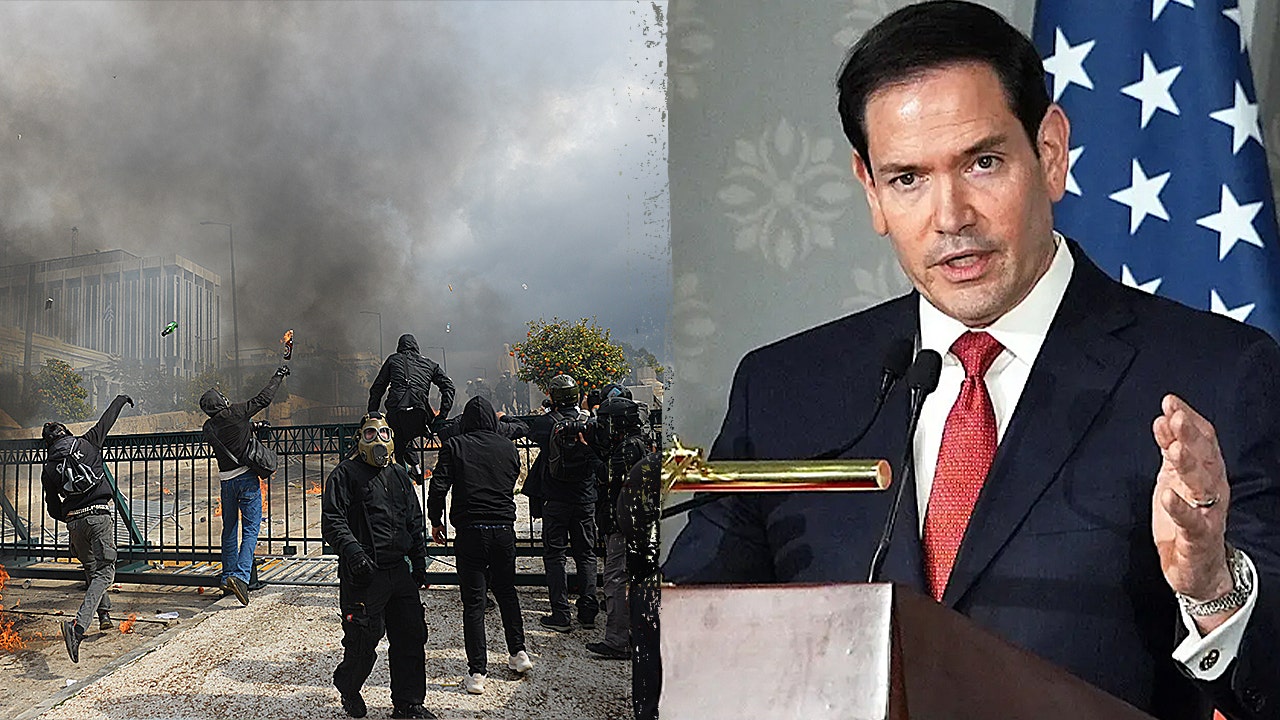
Secretary of State Marco Rubio convened a State Department ministerial in Washington attended by roughly 65 foreign delegations to urge international cooperation against what his office describes as a resurgence of violent far-left extremist groups. Rubio said such violence has increased and called for treating it as a global counterterrorism priority, announcing that additional foreign terrorist organization (FTO) designations were forthcoming after four far-left groups were designated in November 2025. Administration officials described transnational coordination among these groups—sharing training materials, encrypted communications, financing and safe houses—and called for expanded intelligence sharing, law enforcement cooperation and efforts to disrupt terrorist financing, including freezing assets and criminalizing material support. Officials pointed to a series of recent violent incidents in Europe, including coordinated firebomb attacks on residences linked to Greece’s governing party (July 1, 2026) that resulted in a death, and an arson attack on a Berlin power transmission facility in January that knocked out electricity to tens of thousands. The administration has offered rewards (up to $10 million) for information to disrupt financial networks and said Treasury and White House officials would also participate in the ministerial. The article notes that some analysts and foreign officials question whether violent far-left groups form a cohesive international terrorism threat comparable to Islamist extremist organizations and that others worry governments might misuse counterterrorism authorities against political opponents; administration officials say their focus is on criminal violence, not protected political beliefs.
Biblical Reflection
From a Christian pastoral perspective, the article reports legitimate concerns about real acts of violence that endanger innocent people and critical infrastructure—these require justice, protection, and cooperative responses. At the same time, the piece also carries strong political framing (e.g., calling radical leftism “poisonous” and cloaked in equality language) that can blur the line between violent actors and lawful protest or advocacy. Christians should welcome efforts that protect neighbors from physical harm and disrupt criminal networks, but also insist that responses preserve due process, avoid overbroad labels that silence dissent, and be guided by evidence rather than partisan rhetoric. The underlying worldview of the article emphasizes security and state action; a Christian response will also emphasize mercy, humility, and careful discernment: condemn violence clearly, pursue accountability justly, and resist reducing complex political convictions to caricature. Leaders and citizens should press for transparency about what constitutes terrorism, ensure safeguards against political abuse, and remember the command to love neighbors—both victims of violence and those unjustly accused.
Scripture in context
This outlook does not yet include contextual Scripture citations. Do not treat a general biblical theme as an exegetical conclusion.
Faithful Response
No prescribed response is offered. Consider the reflection prompts below in your own church context.
Reflection and Discussion
- 1What concrete evidence distinguishes a transnational violent extremist network from decentralized protest movements, and who defines that threshold?
- 2Are counterterrorism tools being applied narrowly to violent actors, or is there risk they will be used to suppress lawful dissent?
- 3How can international security cooperation balance prevention of violence with protections for due process and freedom of conscience?
Sources
Reporting links are evidence inputs; Sanctuary News' biblical reflection is commentary.
This outlook currently relies on fewer than two linked sources. Broaden verification before teaching from it.
- 1.Original reportprimary