News Summary
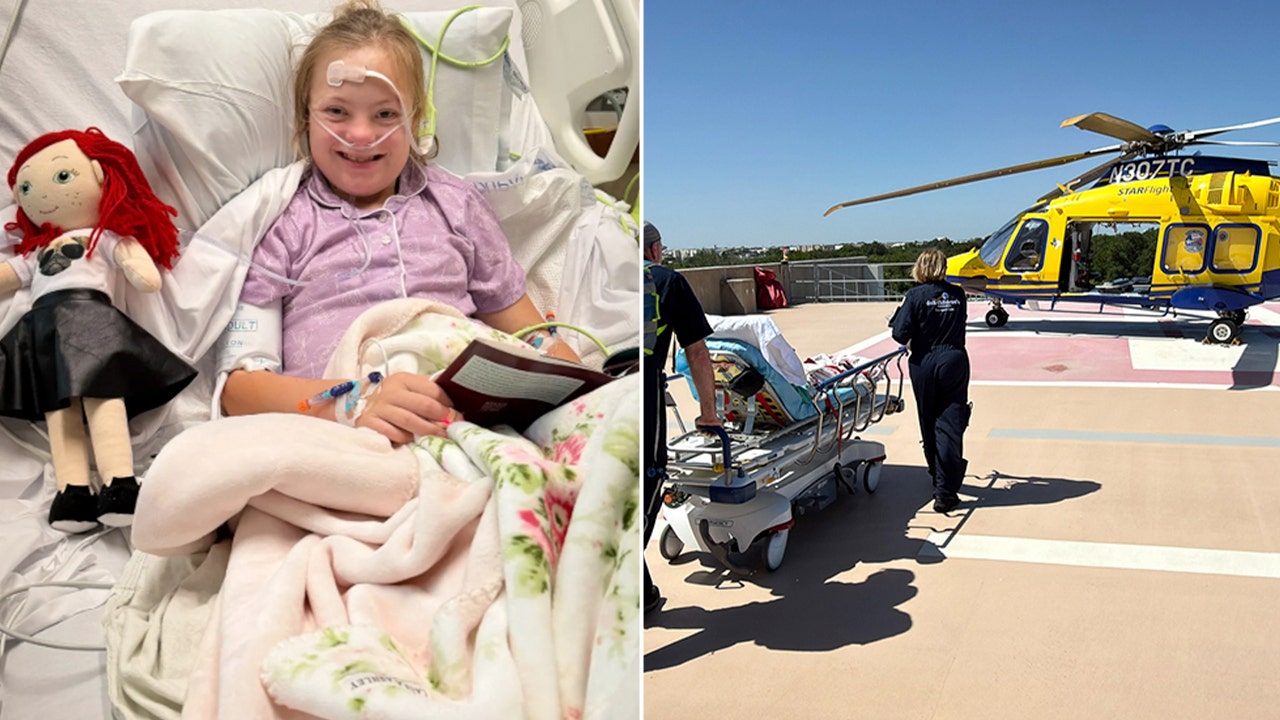
Rory Feek wrote on Substack that his 12-year-old daughter Indiana, who has Down syndrome and was born with a ventricular septal defect, suffered a sudden health crisis roughly two weeks after corrective open-heart surgery. Indiana developed symptoms that progressed quickly; she collapsed at home and was first taken to a hospital in Waco, Texas. Doctors determined she needed specialized care in Austin and she was airlifted by helicopter to Dell Children’s Medical Center while Feek followed by truck. Surgeons found a dangerous buildup of fluid around her heart (a post-operative inflammatory pericardial effusion) that was impairing cardiac function; they removed about 610 cc of fluid during emergency surgery. Medical staff reported the procedure brought immediate improvement and said Indiana should make a full recovery. Feek described the event as terrifying and said the family prayed; the report also notes this episode occurred during a period of public family attention, including earlier disclosure that another daughter had learned Feek is not her biological father.
Biblical Reflection
This report is a human-interest account of a serious but localized medical emergency. The core facts — emergency transfer, surgical removal of a large pericardial effusion, and doctors’ expectations of recovery — are concrete and medically plausible. The article is framed by celebrity coverage and emotional detail, which can amplify fear and sympathy but does not change the underlying medical reality. From a Christian pastoral perspective, the story highlights the vulnerability of children and families, the real grief and fear that accompany sudden illness, and the ways prayer, medical expertise, and community support intersect. It also raises ethical cautions about public exposure: when public figures share intimate health details, readers should respond with compassion rather than curiosity or judgment. Christians are called to truth—acknowledging the facts without sensationalizing—and to mercy, providing practical and prayerful support for families facing health crises. Finally, this story invites us to advocate for quality care for medically vulnerable children and to treat people with disabilities as whole persons, not merely as narratives for public consumption.
Scripture in context
This outlook does not yet include contextual Scripture citations. Do not treat a general biblical theme as an exegetical conclusion.
Faithful Response
No prescribed response is offered. Consider the reflection prompts below in your own church context.
Reflection and Discussion
- 1How does celebrity framing shape our emotional response, and does it distract from thinking about systemic needs in pediatric cardiac care?
- 2When public figures share private health struggles, how should Christians balance empathy, curiosity, and respect for the family's dignity?
- 3Are we responding to the story with mercy and practical concern, or merely voyeuristic interest?
Sources
Reporting links are evidence inputs; Sanctuary News' biblical reflection is commentary.
This outlook currently relies on fewer than two linked sources. Broaden verification before teaching from it.
- 1.Original reportprimary