News Summary
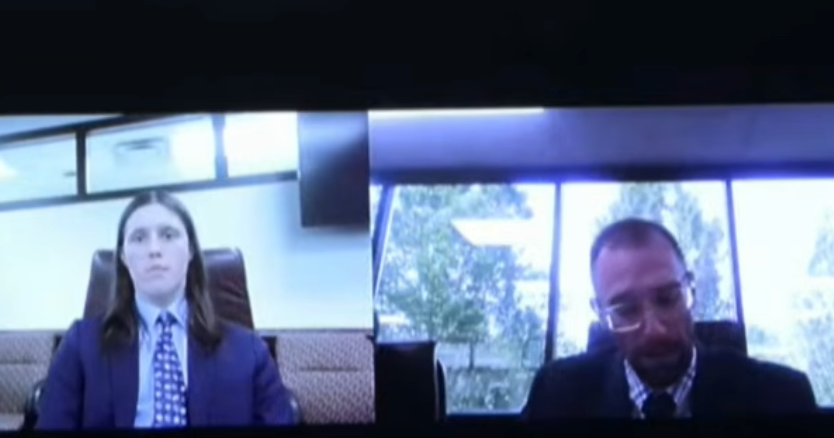
Prosecutors allege that Tyler Robinson shot and killed conservative activist Charlie Kirk in September 2025 while Kirk was speaking at Utah Valley University. Robinson is charged with aggravated murder; he turned himself in on Sept. 12, 2025. Investigators say the shooter fired one shot from a rooftop, and a bolt-action rifle with one spent round was later recovered wrapped in a towel near the scene. Prosecutors allege Robinson left a note and texts saying he intended to "take out Charlie Kirk" because he was "tired of his hatred." In a recorded interview played in a Utah court hearing, former roommate and romantic partner Lance Twiggs said he saw Robinson the day after the shooting, that Robinson confirmed he had done it and said he "wishes he hadn't done it." Twiggs was granted immunity for his statements. Defense lawyers opposed public release of Twiggs' interview, arguing media exposure could prejudice a fair trial; media lawyers and the victim's family urged transparency. The judge allowed portions of Twiggs' interview to be played with redactions and said not all evidence would be publicly displayed to protect rights of victims and the defendant. At the hearing, Robinson has not entered a plea; his attorneys have challenged DNA links between Robinson and the rifle/towel and have sought to remove the death penalty as a sentencing option. A judge will decide after the preliminary hearing whether there is sufficient evidence to proceed to trial.
Biblical Reflection
This case poses both legal and moral questions Christians should attend to carefully. The alleged act is a grave moral evil — political disagreement does not justify violence. At the same time, the judicial process must protect the rights of all involved: victims, families, and the accused. Media calls for transparency and defense concerns about fair trial rights both reflect legitimate goods (public accountability and due process), and Christianity calls us to pursue both truth and justice without rushing to judgment. Be cautious of reducing people to political labels; doing so can dehumanize and make violence more likely in public discourse. Pastoral concern also extends to the families of the victim and the accused — both grieve and need care. Christians should condemn the violence, seek the truth through due legal process, comfort the bereaved, and resist the urge for revenge or partisan exploitation of the tragedy.
Scripture in context
This outlook does not yet include contextual Scripture citations. Do not treat a general biblical theme as an exegetical conclusion.
Faithful Response
No prescribed response is offered. Consider the reflection prompts below in your own church context.
Reflection and Discussion
- 1Are we allowing political identities to shape how quickly we assume motive or guilt in violent incidents?
- 2How do we weigh the public's right to transparency against the accused person's right to a fair trial in high-profile cases?
- 3In what ways can our response to political violence reflect both a commitment to justice and active compassion for all affected families?
Sources
Reporting links are evidence inputs; Sanctuary News' biblical reflection is commentary.
This outlook currently relies on fewer than two linked sources. Broaden verification before teaching from it.
- 1.Original reportprimary