News Summary
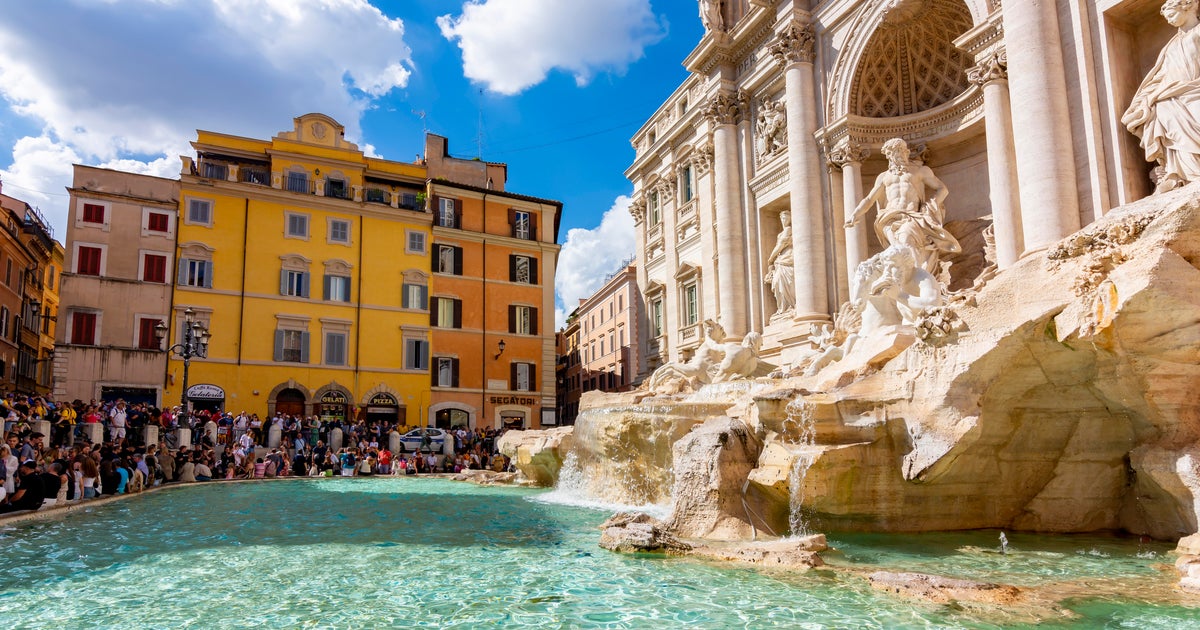
Rome has announced that starting February 1, 2026, tourists will be required to pay a 2-euro (about $2.35) fee to get close to the Trevi Fountain during prime daylight hours. This fee is part of the city's broader strategy to control tourist congestion, improve visitor experiences, and help fund the maintenance of Rome's rich cultural heritage. City residents are exempt from the fee, as with similar ticketing at the Pantheon and some museums, which also remain free for local citizens. The new system follows a successful yearlong pilot involving staggered visits and controlled access to the fountain's edge. With around 9 million visitors so far this year, city officials hope the fee will support preservation efforts and curb disruptive behavior by some tourists. This move comes amid broader European concerns about overtourism, with other cities like Venice implementing similar charges to protect their historical sites.
Biblical Reflection
Scripture encourages stewardship, respect for creation, and justice. The decision by Rome to implement a modest fee for close access to the Trevi Fountain reflects a desire to care for and preserve a beautiful part of God’s creation and human artistry, recognizing its value not just for the city but for the whole world. The fee aims to balance the rights of residents, the responsibilities of visitors, and the practical needs of preservation. This aligns with the biblical principle that those who benefit from something should also contribute to its upkeep (see Nehemiah 2:17-18, where the people are called to rebuild Jerusalem’s walls together). However, the move also raises questions about accessibility and the commercialization of cultural heritage. Christians are called to welcome the stranger (Matthew 25:35), so it is important that such measures don’t become exclusionary, but instead serve the common good, promoting order, respect, and care for what is shared by many.
Scripture in context
This outlook does not yet include contextual Scripture citations. Do not treat a general biblical theme as an exegetical conclusion.
Faithful Response
No prescribed response is offered. Consider the reflection prompts below in your own church context.
Reflection and Discussion
- 1How can I practice stewardship and care for the beauty and resources entrusted to me, both natural and cultural?
- 2In what ways can communities balance welcoming visitors with the need to protect and preserve what is valuable?
- 3How might I respond to the tension between accessibility and responsible management of shared blessings?
Sources
Reporting links are evidence inputs; Sanctuary News' biblical reflection is commentary.
This outlook currently relies on fewer than two linked sources. Broaden verification before teaching from it.
- 1.Original reportprimary