News Summary
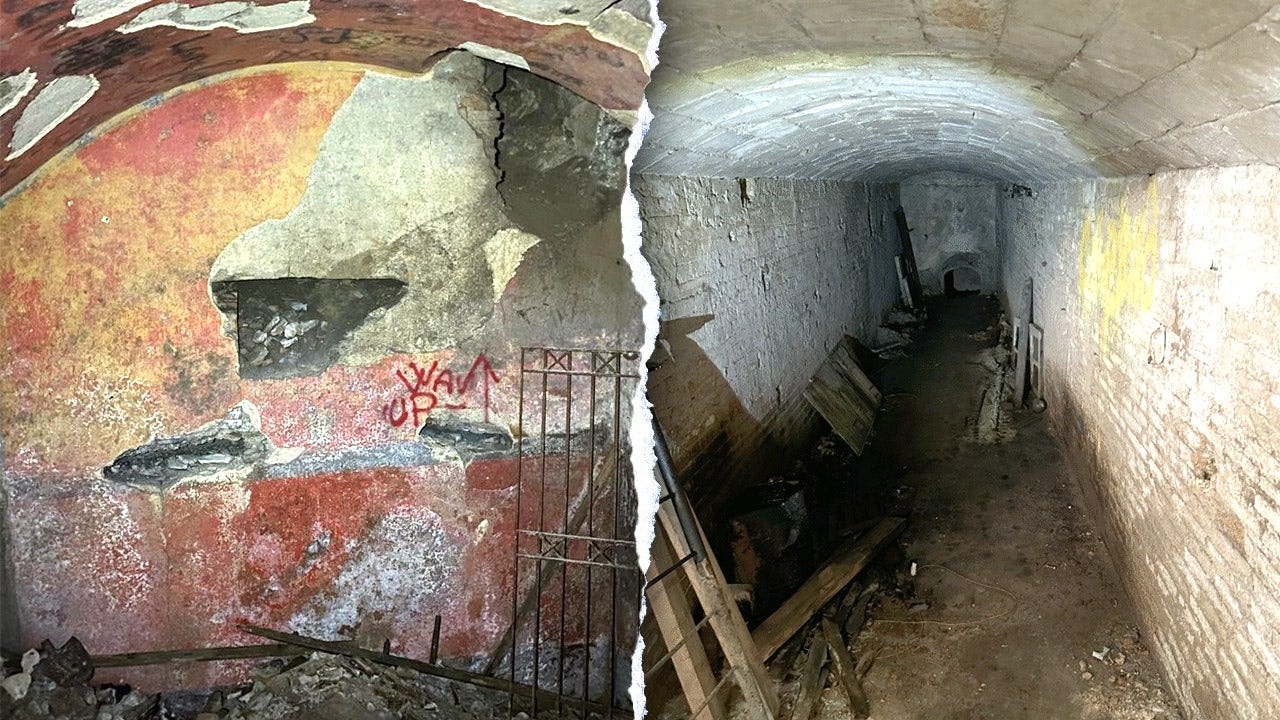
Italian officials and archaeologists announced the excavation and unveiling of a Roman domus discovered beneath the gymnasium of Rome’s Cavour High School, near the Colosseum. School staff and students had long circulated rumors of ruins; after students drew renewed attention to the site, officials cleared modern fill beginning in January 2026 and allowed archaeological work. Excavations revealed vaulted rooms, faded frescoes, decorative plasterwork and modern graffiti dating to the 1940s–1950s, indicating prior access. Archaeologists presented findings to teachers and students in June 2026. Officials said the villa is high-status and plan to open it to the public in the future, with students serving as guides. The report notes similar recent Roman-era discoveries in the city, including finds during Metro Line C construction.
Biblical Reflection
This story highlights communal stewardship of shared history and the value of curiosity and local civic engagement. The reporting is largely factual and descriptive; its framing emphasizes discovery and spectacle, which can obscure ongoing responsibilities—conservation, ethical display, and educational access. From a Christian perspective, the find invites gratitude for cultural memory and humility before earlier generations, and it challenges Christians to advocate that such discoveries serve the common good rather than private profit or mere tourism. Be attentive to narratives that reduce heritage to commodity or nationalistic pride; instead prioritize truthful reporting, respectful preservation, and opportunities for students and neighbors to encounter the past in ways that promote learning and dignity.
Scripture in context
This outlook does not yet include contextual Scripture citations. Do not treat a general biblical theme as an exegetical conclusion.
Faithful Response
No prescribed response is offered. Consider the reflection prompts below in your own church context.
Reflection and Discussion
- 1Does the article treat the ruins primarily as spectacle and tourism value, or as part of a shared cultural heritage that needs careful stewardship?
- 2How might our reverence for historical grandeur tempt us to overlook present human needs—students, local residents, or ethical questions about access and ownership?
- 3What assumptions about authority and expertise are challenged when students, not just officials, prompt the rediscovery of important historical sites?
Sources
Reporting links are evidence inputs; Sanctuary News' biblical reflection is commentary.
This outlook currently relies on fewer than two linked sources. Broaden verification before teaching from it.
- 1.Original reportprimary