News Summary
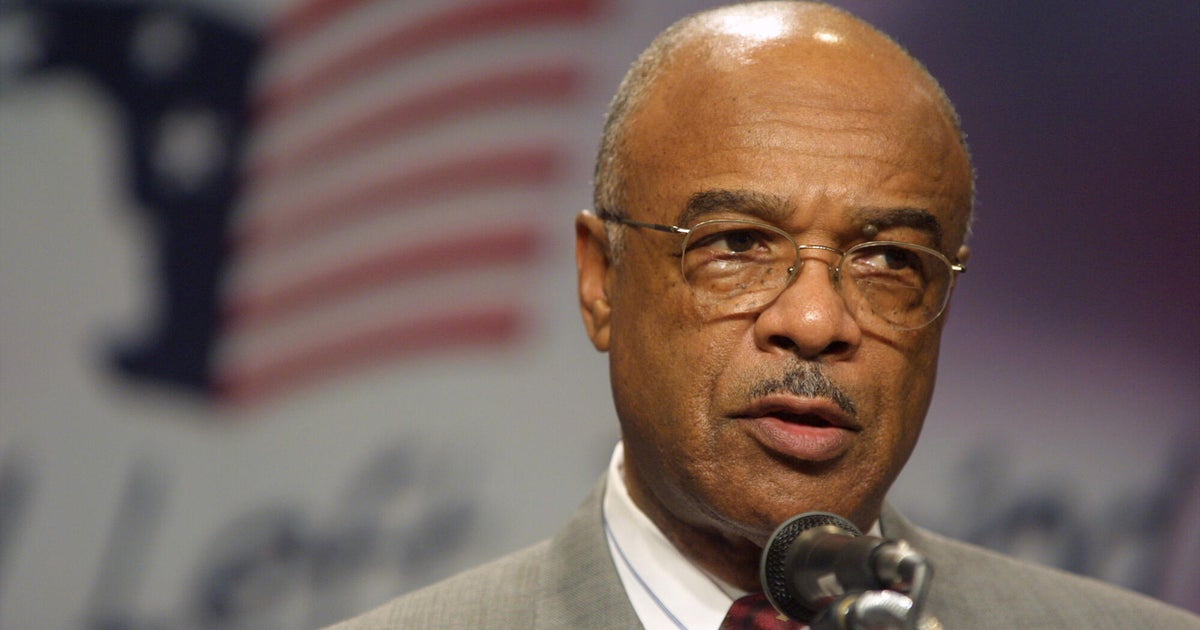
Rod Paige, the first African American U.S. Secretary of Education, has died at the age of 92. Appointed by President George W. Bush, Paige was instrumental in developing and implementing the No Child Left Behind (NCLB) law, a major education reform policy enacted in 2002. The law sought to establish universal testing standards and hold schools accountable for student achievement, regardless of race or income. Paige's background included roles as a coach, educator, and administrator, with significant achievements in desegregation and raising educational standards, particularly in Houston, Texas. While NCLB was praised for demanding higher expectations and accountability, it was also criticized for emphasizing standardized testing and creating bureaucratic obstacles. The policy was later revised in 2015, reducing federal control. Paige remained an advocate for educational reform and equity until late in his life.
Biblical Reflection
Rod Paige's legacy as an educational reformer is marked by a desire to uplift all children, particularly those historically disadvantaged, by insisting on high expectations and accountability. From a biblical perspective, his commitment to equity echoes the scriptural call to justice and the inherent value of every child as made in God's image (Genesis 1:27). The pursuit of excellence and perseverance in the face of adversity reflect Christian virtues (Colossians 3:23-24; James 1:12). However, the controversy surrounding No Child Left Behind—especially the burdens it placed on teachers and students—serves as a reminder that human reforms, even when well-intentioned, can be flawed and must be pursued with humility, compassion, and a constant focus on the holistic good of each person, not merely their test scores. True education, from a biblical standpoint, is not just about knowledge or achievement but about nurturing wisdom, character, and love (Proverbs 1:7; 1 Corinthians 13:2). Paige's efforts challenge us to ask whether our systems genuinely serve the 'least of these' (Matthew 25:40), or inadvertently leave some behind.
Scripture in context
This outlook does not yet include contextual Scripture citations. Do not treat a general biblical theme as an exegetical conclusion.
Faithful Response
No prescribed response is offered. Consider the reflection prompts below in your own church context.
Reflection and Discussion
- 1In what ways do my expectations for myself and others reflect God's justice and mercy?
- 2How can I support educational systems that both challenge and care for every child, especially the most vulnerable?
- 3Am I willing to advocate for reforms that serve the whole person, not just measurable outcomes?
Sources
Reporting links are evidence inputs; Sanctuary News' biblical reflection is commentary.
This outlook currently relies on fewer than two linked sources. Broaden verification before teaching from it.
- 1.Original reportprimary