News Summary
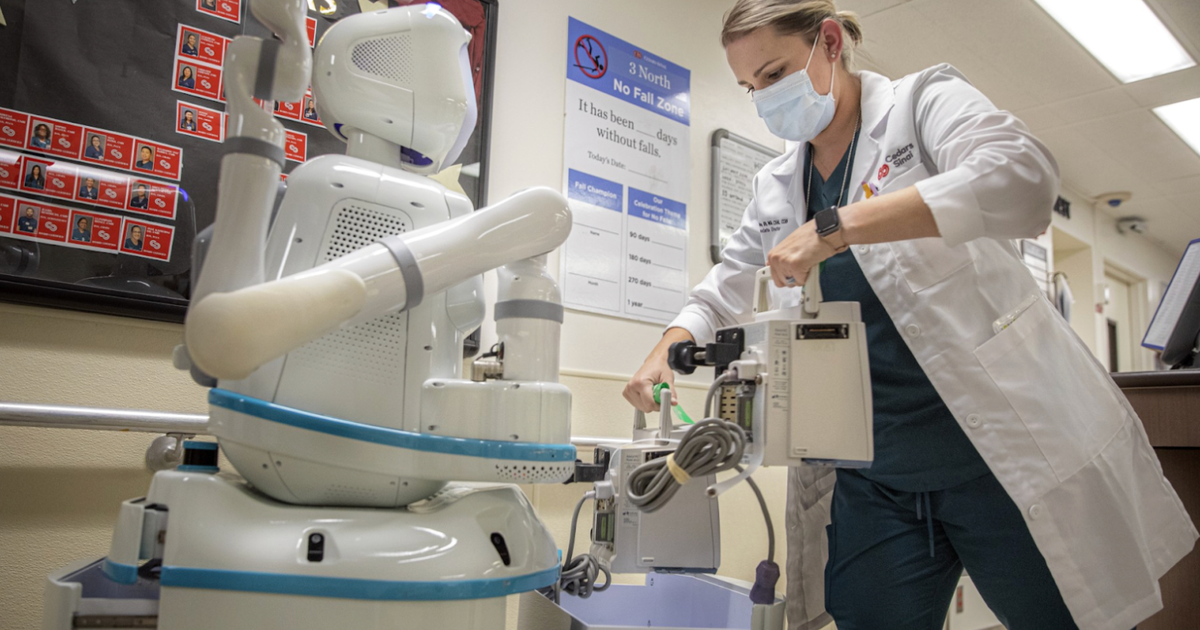
The article reports on the increasing use of robots, such as Moxi, in hospitals across the United States. These robots assist medical staff by performing tasks like delivering supplies, transporting lab samples, and retrieving medications, thereby freeing up time for staff to focus more on patient care. The article notes positive emotional responses from patients and staff to these robots, but also acknowledges their limitations—they cannot provide the human touch required in caregiving. The discussion expands to the future of humanoid robots in various industries, with expert projections that the robotics sector will grow rapidly and be integrated into health care, manufacturing, and other sectors. The piece also highlights the vision of innovators like Elon Musk, who foresee humanoid robots handling complex tasks both in workplaces and homes, potentially addressing labor shortages and supporting aging populations. However, there is concern about the impact on employment and the necessity for society to manage this technological transition compassionately.
Biblical Reflection
From a biblical perspective, the advancement of technology—including robotics and artificial intelligence—can be viewed as part of humanity's God-given creativity and mandate to steward the earth (Genesis 1:28). Tools that help relieve burdens, care for the sick, and support the vulnerable may serve as blessings when used with wisdom and compassion. However, scripture also consistently affirms the irreplaceable value of human relationships, dignity, and care (Matthew 25:40, James 1:27). The article's emphasis on robots' inability to offer the human touch is a sober reminder that no technology should replace the core of loving, personal interaction. As robots take on more responsibilities, Christians are called to advocate for the protection of workers, ensure no one is left behind, and guard against the temptation to value efficiency over empathy or profit over people. The transition must be managed with justice, mercy, and humility (Micah 6:8), affirming that every person is made in the image of God and deserving of dignity, attention, and care.
Scripture in context
This outlook does not yet include contextual Scripture citations. Do not treat a general biblical theme as an exegetical conclusion.
Faithful Response
No prescribed response is offered. Consider the reflection prompts below in your own church context.
Reflection and Discussion
- 1How can we ensure that technological advancement serves people rather than replaces meaningful human connection and care?
- 2Where might God be calling us to advocate for justice and compassion as our workplaces and communities adapt to new technologies?
- 3In what ways can you personally reflect the love, mercy, and humility of Christ in a world increasingly shaped by artificial intelligence?
Sources
Reporting links are evidence inputs; Sanctuary News' biblical reflection is commentary.
This outlook currently relies on fewer than two linked sources. Broaden verification before teaching from it.
- 1.Original reportprimary