News Summary
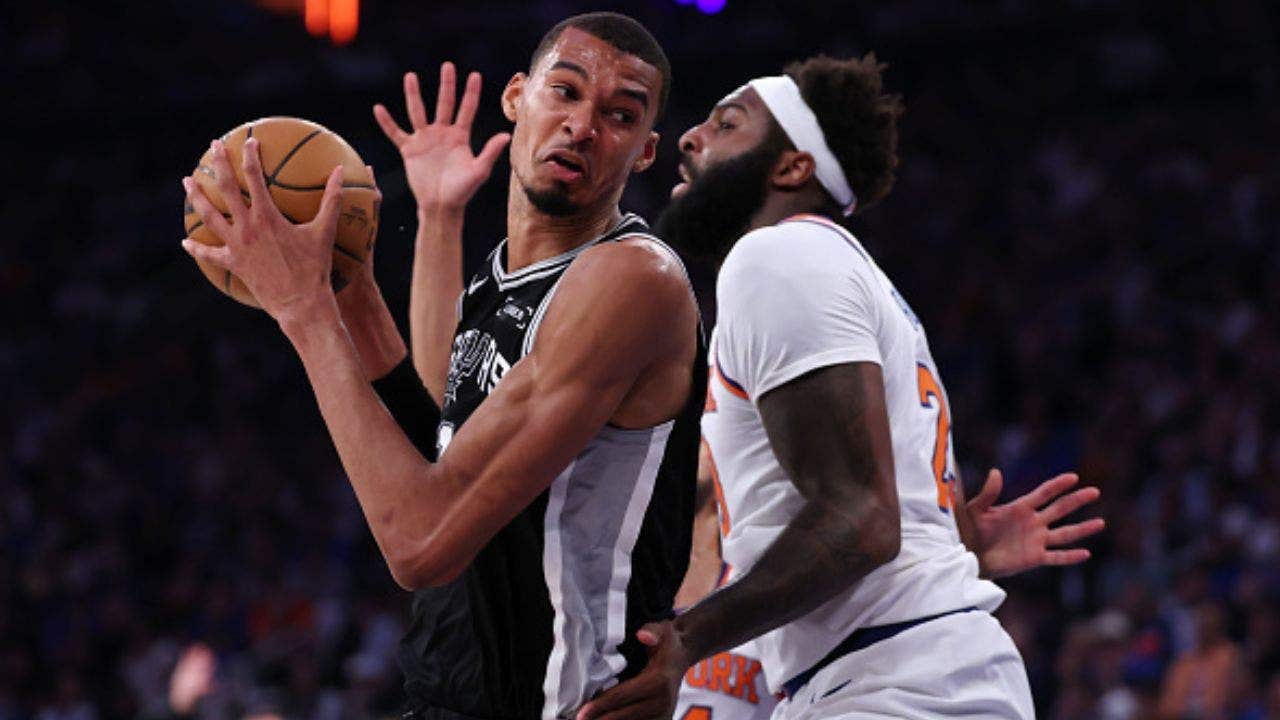
In Game 4 of the 2026 NBA Finals at Madison Square Garden, Knicks center Mitchell Robinson struck Spurs forward Victor Wembanyama with a forearm to the face; the play was ruled a Flagrant 1. Robinson had increased minutes early after teammate Karl-Anthony Towns picked up two first-quarter fouls; Robinson is playing the series with one healthy hand. After the forearm, Wembanyama appeared to taunt Robinson by saying he was "in your head." Other Knicks players, including Jose Alvarado, played physical against Wembanyama during the game; Alvarado grabbed Wembanyama’s leg on a hard foul. The arena crowd booed Wembanyama repeatedly during the series. The article also notes that in Game 3 Wembanyama pushed Jalen Brunson to the floor; an NBA review found that push was not a flagrant foul. The piece includes commentary on the hostile atmosphere in New York and references that former President Donald Trump announced he would attend Game 3.
Biblical Reflection
This story describes aggressive, physical moments in a high-stakes sporting event and the stirred emotions of players and fans. Factually, the article reports a flagrant foul and on-court taunting; it also leans into sensational language and partisan fan sentiment (the "hostile Garden crowd" and labeling Wembanyama as "Public Enemy No. 1"). The underlying worldview emphasizes competition, tribal loyalty, and entertainment value—sometimes at the cost of temperance and dignity. From a Christian perspective, competitive intensity is not wrong in itself, but the behavior highlighted—intentional physical strikes, taunting, and a crowd delighting in an opponent’s discomfort—contradicts calls to love our neighbor and practice self-control. Media framing that amplifies conflict for clicks can also encourage schadenfreude and deepen tribal divisions among fans. Christians watching or reading should note the difference between tough play governed by rules and gratuitous harm or demeaning conduct, and resist celebrating injury or dehumanizing language even in sports reporting.
Scripture in context
This outlook does not yet include contextual Scripture citations. Do not treat a general biblical theme as an exegetical conclusion.
Faithful Response
No prescribed response is offered. Consider the reflection prompts below in your own church context.
Reflection and Discussion
- 1Are we applauding competitive toughness or endorsing excess aggression when we celebrate physical hits and taunts?
- 2How does the article’s tone shape who we sympathize with, and does that tone encourage tribalism over empathy?
- 3When athletes err or clash, how should followers balance honest critique with refusing to dehumanize those made in God’s image?
Sources
Reporting links are evidence inputs; Sanctuary News' biblical reflection is commentary.
This outlook currently relies on fewer than two linked sources. Broaden verification before teaching from it.
- 1.Original reportprimary