News Summary
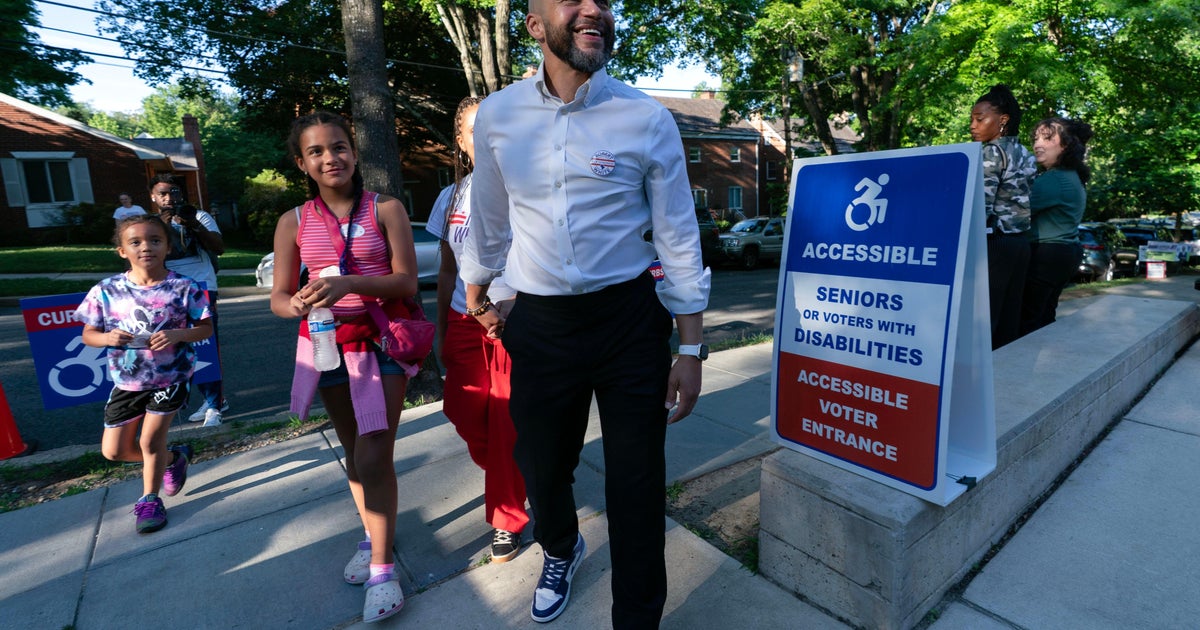
Robert White Jr., a D.C. council member, won the Democratic primary for the District of Columbia's nonvoting delegate to Congress on June 17, 2026. In the heavily Democratic district, the primary victory positions White as the likely winner in the November general election to replace 18-term delegate Eleanor Holmes Norton, who chose not to run again. White campaigned on protecting and expanding D.C.'s autonomy and pursuing statehood, criticizing federal interventions under President Trump, including a National Guard and federal law enforcement deployment and federal workforce reductions that affected the capital's economy. The D.C. delegate can speak on the House floor and introduce bills but cannot cast a floor vote. The primary occurred alongside the first use of ranked-choice voting in the city's mayoral contest; Mayor Muriel Bowser did not seek reelection. City issues emphasized by candidates included autonomy from federal control, public safety, and affordability. Several candidates and residents voiced concern about federal actions perceived as infringing on local authority; former President Trump is quoted regarding a possible federal takeover if certain candidates win. White said he will mobilize support in battleground states to elect allies to Congress.
Biblical Reflection
From a Christian pastoral perspective, this story centers on representation, justice, and the stewardship of civic authority. D.C. residents lack full congressional representation; efforts to secure greater autonomy or statehood are fundamentally about giving a community a voice in decisions that affect their lives. The article reports contested claims — especially about the scale and motive of federal interventions — that are attributed to political actors; readers should note which assertions are reported as fact and which are framed as candidates' or officials' interpretations. Christians should be attentive to both truth and compassion: truth requires careful discernment about facts (who has authority, what powers a nonvoting delegate actually holds), while compassion calls us to advocate for those whose political voice is limited. The tone of the coverage favors the idea of generational change and civic activism; believers ought to evaluate policies and personalities without reducing complex civic questions to partisan identity. Practically, the story invites Christians to pray for accountable leadership, to seek the common good for their neighbors in D.C., and to avoid the temptation to demonize opponents—engaging instead with humility, courage, and a commitment to justice for the disenfranchised.
Scripture in context
This outlook does not yet include contextual Scripture citations. Do not treat a general biblical theme as an exegetical conclusion.
Faithful Response
No prescribed response is offered. Consider the reflection prompts below in your own church context.
Reflection and Discussion
- 1Whose perspectives are amplified or marginalized in this coverage, and how does that shape our view of D.C. autonomy?
- 2Are we judging civic disputes primarily by partisan loyalty or by how well policies protect the vulnerable and promote justice?
- 3How can Christians advocate for fair representation while holding leaders of all parties to truth and accountability?
Sources
Reporting links are evidence inputs; Sanctuary News' biblical reflection is commentary.
This outlook currently relies on fewer than two linked sources. Broaden verification before teaching from it.
- 1.Original reportprimary