News Summary
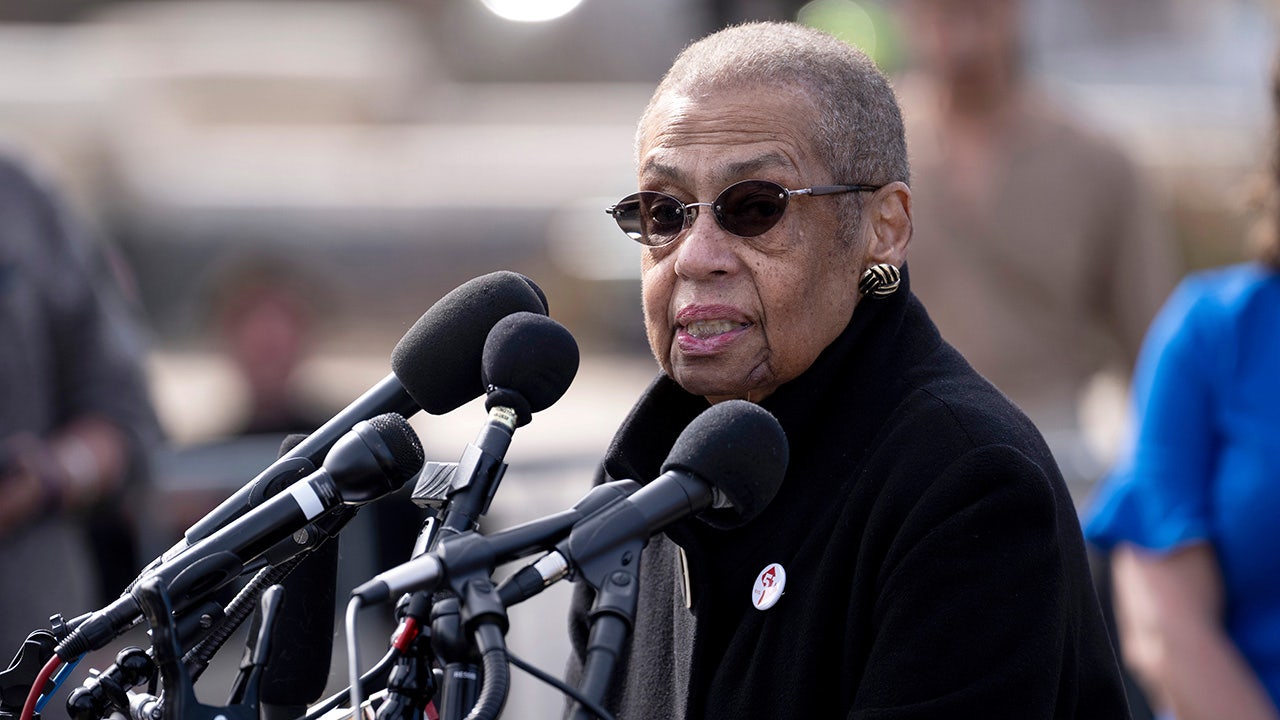
At-large D.C. Council member Robert White Jr. won the Democratic primary for Washington, D.C.'s nonvoting congressional delegate seat after Eleanor Holmes Norton announced she would not seek another term following 18 terms in Congress. Norton was first elected in 1990 and has been the district's delegate since taking office in 1991. The contest was conducted under D.C.'s new ranked-choice voting system; White secured the Democratic nomination and will be the heavy favorite in the November general election in the overwhelmingly Democratic district. The delegate can introduce legislation and serve on committees but does not have a final vote on the House floor. White has worked previously as legislative counsel in Norton's office, has served on the D.C. Council since 2016, and entered the race after forgoing a potential mayoral campaign, arguing for a more assertive advocate in Congress amid continuing debates over D.C. statehood and federal control. Republican Denise Rosado is the GOP nominee running unopposed in her primary, and at least one third-party candidate, Kymone Freeman, is also in the general-election field.
Biblical Reflection
From a Christian pastoral perspective, this is a local leadership transition with symbolic weight: Norton’s retirement closes a long era of steady advocacy for D.C., and White’s nomination represents both continuity (his prior work in Norton’s office) and a desire for renewed, forceful representation. The article’s framing is largely informational, but readers should note assumptions about inevitability—the piece underscores the Democratic advantage in D.C., which can downplay the importance of civic engagement and policy scrutiny. Biblically, leaders are called to advocate for the vulnerable and pursue justice while exercising humility and accountability; an effective delegate will need courage to press for the district’s needs, wisdom to pursue the common good, and humility to serve a diverse constituency. The nonvoting status of the seat highlights a deeper justice question: representation without full authority raises moral concerns about citizenship and rights. As Christians, we should evaluate candidates by their commitment to truth, service, and neighbor-love rather than partisan loyalty, and we should be attentive to how media framing may obscure policy specifics and the real stakes for residents who lack full congressional representation.
Scripture in context
This outlook does not yet include contextual Scripture citations. Do not treat a general biblical theme as an exegetical conclusion.
Faithful Response
No prescribed response is offered. Consider the reflection prompts below in your own church context.
Reflection and Discussion
- 1How does reporting that treats the Democratic primary win as practically decisive shape our sense of responsibility to follow local races and hold leaders accountable?
- 2What does the continued existence of a nonvoting congressional delegate say about justice and equal representation, and how should Christians respond to structural inequalities in civic life?
- 3Are we evaluating candidates chiefly by rhetoric and party advantage, or by their record of service, integrity, and care for the least advantaged in the community?
Sources
Reporting links are evidence inputs; Sanctuary News' biblical reflection is commentary.
This outlook currently relies on fewer than two linked sources. Broaden verification before teaching from it.
- 1.Original reportprimary