News Summary
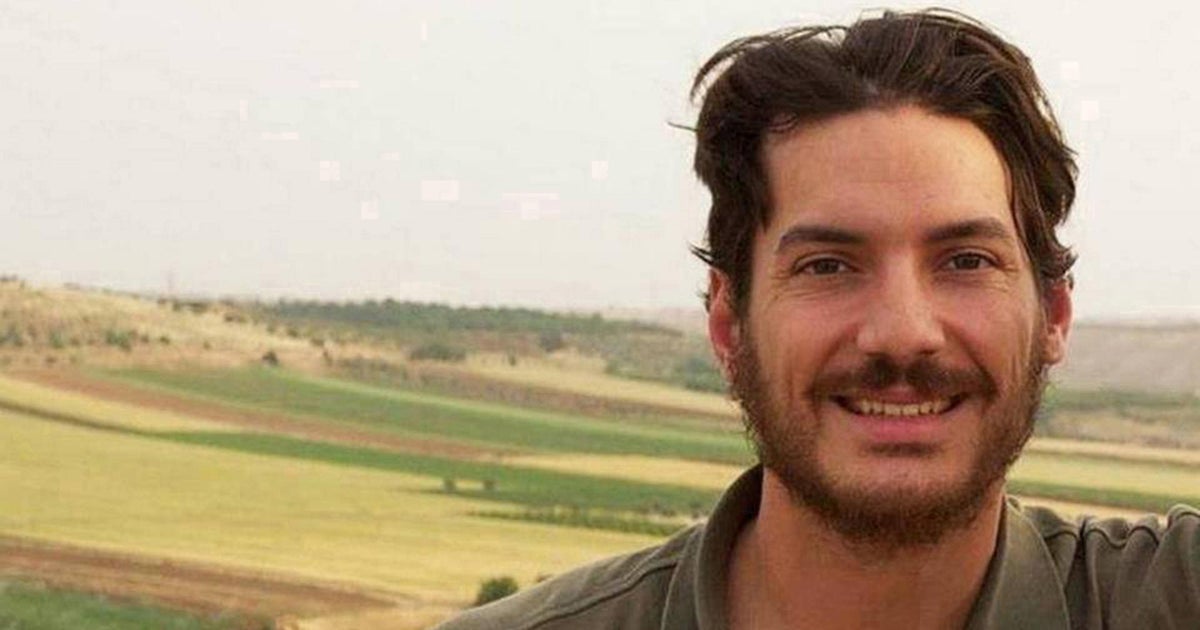
Former U.S. national security adviser Robert O'Brien writes in a new book that U.S. officials asked Russia for help in attempting to secure the release of journalist Austin Tice during President Trump's first term. Intelligence at the time indicated Tice might still be alive; he had disappeared in August 2012 while reporting in Syria and was last seen in a video showing him blindfolded. O'Brien says he asked Russian security adviser Nikolai Patrushev to use Moscow's influence with Syrian leader Bashar al-Assad; Patrushev agreed but efforts did not succeed. O'Brien describes multiple backchannel efforts and intermediaries over the years — including actor Sean Penn, Kash Patel, the Vatican, Jordan's king, Gulf states, and a Lebanese businessman named Elias Kwaham — none of which produced Tice's release. In fall 2020 O'Brien sent Kash Patel and Roger Carstens to meet Syrian intelligence chief Ali Mamlouk in Damascus; then-Secretary of State Mike Pompeo expressed concern about the plan and arranged U.S. military surveillance to monitor and protect the U.S. envoys. Those efforts also failed to secure Tice. O'Brien reports that the CIA changed its assessment in 2024 to say, with low confidence, that Tice was likely dead. O'Brien also notes that his team's broader hostage-recovery work recovered dozens of Americans during the Trump administration, and that more have been recovered in a subsequent term.
Biblical Reflection
From a Christian perspective, this account highlights both the moral urgency of seeking the missing and the grim ethical complexity of doing so in a broken world. The efforts described reflect genuine compassion and persistence on behalf of a fellow human being and his family — virtues Christians should commend. At the same time, the tactics involve negotiation with authoritarian actors, backchannels, and politically charged personalities, which raises questions about transparency, risk, and the moral cost of engagement. The article is based primarily on O'Brien's account in an advance copy of his book; readers should note that this is one participant's narrative and may emphasize his role and perspective. The report is fact-focused but selective: it quotes specific attempts and actors and notes the CIA's later assessment, yet independent verification of some claims (for example specific assurances from foreign officials or the Lebanese businessman's report) may be limited. Pastoral concerns include standing with families of the missing, advocating for humane and ethical search efforts, and holding leaders accountable for balancing boldness with prudence. Christians should seek truth without cynicism, show mercy toward victims and offenders where appropriate, and pray for wisdom for officials who make weighty decisions under moral ambiguity.
Scripture in context
This outlook does not yet include contextual Scripture citations. Do not treat a general biblical theme as an exegetical conclusion.
Faithful Response
No prescribed response is offered. Consider the reflection prompts below in your own church context.
Reflection and Discussion
- 1Whose perspective is shaping this account, and what incentives might affect how efforts and outcomes are described?
- 2How should Christians weigh the moral trade-offs of negotiating with oppressive regimes to save lives?
- 3Does the story prompt us to trust human institutions, prayer, or both when confronting suffering that seems beyond our control?
Sources
Reporting links are evidence inputs; Sanctuary News' biblical reflection is commentary.
This outlook currently relies on fewer than two linked sources. Broaden verification before teaching from it.
- 1.Original reportprimary