News Summary
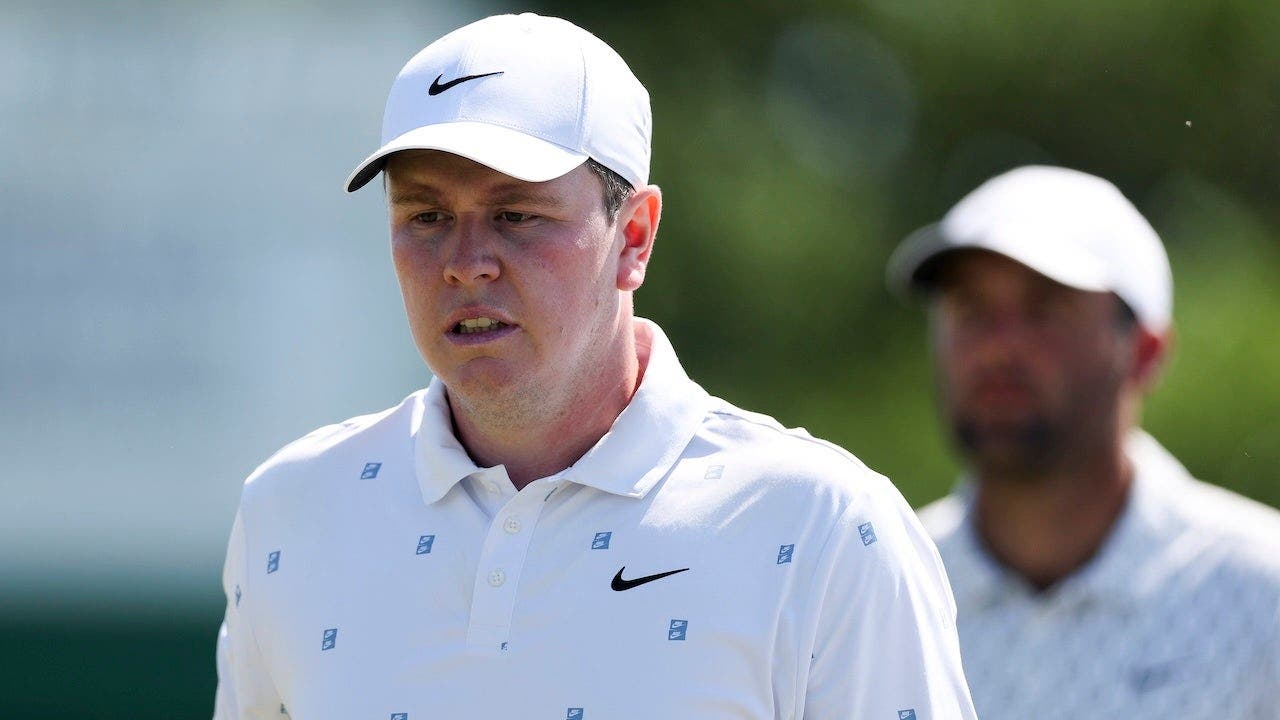
During the second round of the 2026 Masters Tournament at Augusta National, cameras recorded Scottish golfer Robert MacIntyre raising what appeared to be a middle finger on the par-5 15th hole after his approach shot went into the water. The Scotsman reported that an Augusta official reminded MacIntyre of the club's code of conduct and that he was “reprimanded.” In the same sequence he took a penalty drop, sent another shot into the pond, dropped again, and ultimately carded a quadruple-bogey nine. Earlier in the round he struck his club into the ground on the 17th hole and was heard using profanity on the 12th and 13th holes. MacIntyre, 27, declined to speak with reporters after the round. The article notes that Augusta National enforces strict decorum and that, given his score, his chances of making the cut were diminished.
Biblical Reflection
This report is primarily factual about a public athlete's loss of composure under pressure. The article emphasizes the breach of decorum—an understandable focus given Augusta National's strict standards—and highlights consequences (reprimand, damaged score). From a Christian perspective, the story reminds us of common human struggles: frustration, loss of self-control, and the temptation to let momentary anger define public identity. The media framing (calling it a “meltdown” or a defining storyline) tends to amplify the negative moment; while the facts warrant reporting, readers should be cautious about letting a single lapse become the whole narrative of a person. Scripture calls believers to both truth and grace: to hold people accountable for public conduct while resisting schadenfreude and quick condemnation. Consider also the pressures athletes face and the opportunity for restorative accountability rather than only punitive exposure. In evaluating the article, note the sourcing (Fox News reporting details and citing The Scotsman for the reprimand) and the lack of direct comment from MacIntyre—so some interpretation (intent, exact words, and internal state) remains uncertain. The Christian response is to seek balance: acknowledge wrongdoing, encourage repentance and repair, practice mercy, and remember that self-control and humility are marks of maturity (and of Christian witness).
Scripture in context
This outlook does not yet include contextual Scripture citations. Do not treat a general biblical theme as an exegetical conclusion.
Faithful Response
No prescribed response is offered. Consider the reflection prompts below in your own church context.
Reflection and Discussion
- 1Does the article treat this incident as an isolated human failing or as a defining character judgment—and which framing does the evidence support?
- 2How might a Christian balance calling for appropriate accountability with offering compassion and the possibility of restoration?
- 3What does our appetite for public spectacle tell us about how we consume stories about others' failures, and how should that shape our response?
Sources
Reporting links are evidence inputs; Sanctuary News' biblical reflection is commentary.
This outlook currently relies on fewer than two linked sources. Broaden verification before teaching from it.
- 1.Original reportprimary