News Summary
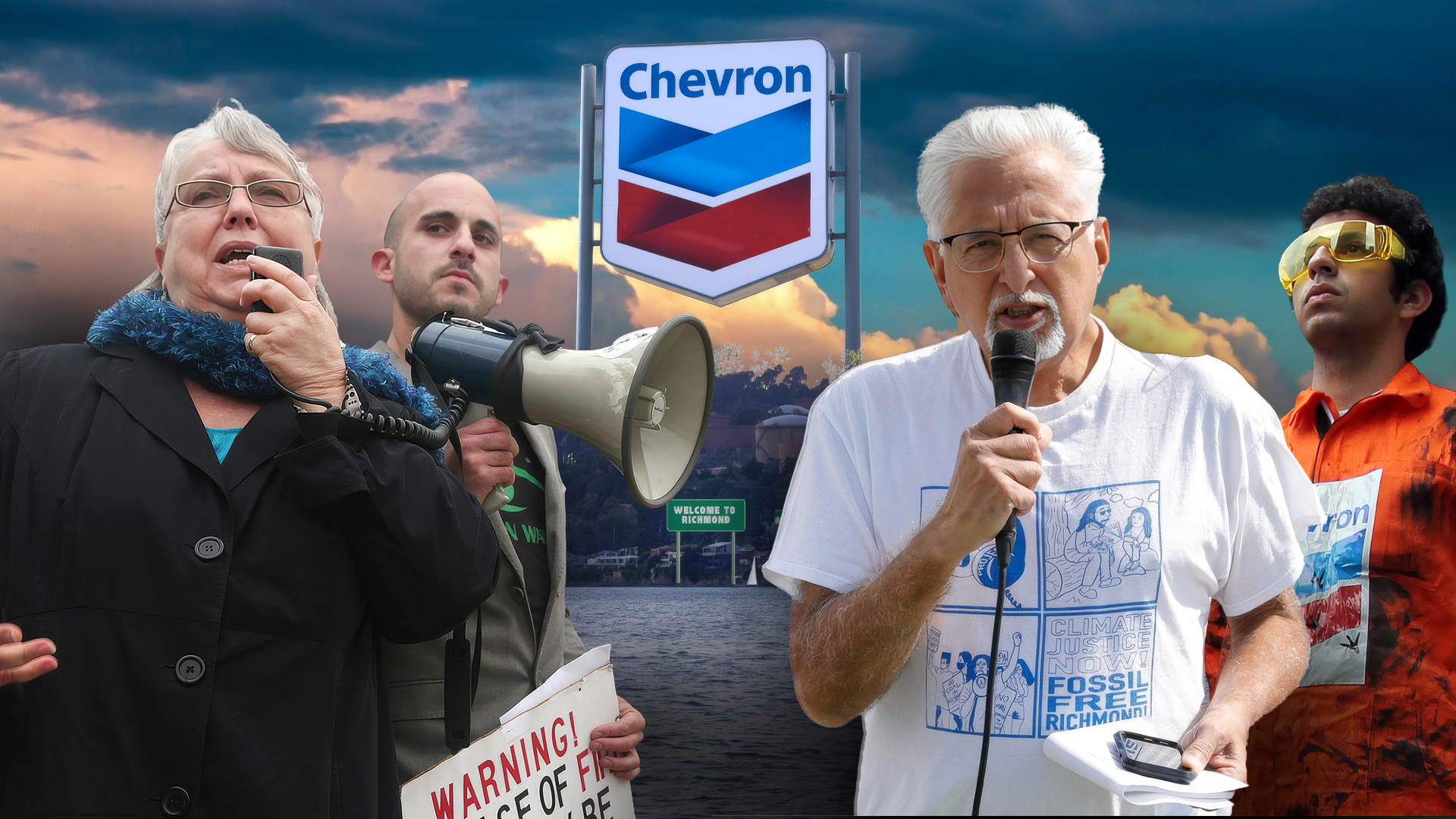
Richmond, California has a long-running political conflict between city leaders aligned with the Richmond Progressive Alliance (RPA) and Chevron, which operates a large refinery in the city. Chevron's refinery—operational since 1902—has been a major local employer and source of tax revenue. Residents and officials cited refinery incidents, including a 1999 explosion and a 2012 pipeline rupture that led to a large fire and thousands seeking medical care; a federal investigation (CSB) attributed the 2012 accident to severe corrosion and lapses in implementing safety recommendations. The RPA and other local leaders have argued for greater corporate accountability and secured a 2024 agreement in which Chevron paid $550 million in exchange for removing a proposed refinery tax from the ballot. Supporters of the RPA say the company needed to be held responsible for environmental and safety harms; critics warn that sustained pressure could prompt Chevron to scale back operations or leave, risking job losses and reduced tax revenues. The article quotes current and former local officials and residents expressing both support for holding Chevron accountable and concern about potential economic consequences; it notes Chevron moved its corporate headquarters to Houston and that Fox News Digital did not receive an immediate response from Chevron to requests for comment.
Biblical Reflection
This story presents a real tension between corporate power, community health, and local economic dependence. The factual elements—past accidents, a federal safety board finding, the $550 million settlement—are verifiable and justify public concern about safety and corporate accountability. At the same time, the article frames the conflict in partisan language (e.g., "socialist-run," "anti-business") and emphasizes the economic risk of pushing Chevron out, which can skew readers toward fear of job and revenue loss without fully exploring alternatives (economic diversification, transition plans, regulatory context, or Chevron's side). From a Christian pastoral perspective, several virtues apply: truth (seek accurate facts and resist inflammatory labels), justice (advocate for those harmed by pollution and for corporate accountability), and neighbor-love (care for workers whose livelihoods depend on the refinery). Christians should resist simplistic either/or thinking that treats corporate actors as purely villains or community leaders as reckless. Responsible stewardship asks both that industries be held to safety and environmental standards and that governments plan for workers and families if a major employer reduces operations. The article could better serve the common good by including more information about concrete transition strategies, local budget plans, union perspectives, and Chevron’s stated plans for workplace and environmental improvements. In spiritual terms, the church’s role is to push for transparency and mercy: demand truth about harms, advocate for reparations and safety, and work toward just economic solutions that protect vulnerable neighbors.
Scripture in context
This outlook does not yet include contextual Scripture citations. Do not treat a general biblical theme as an exegetical conclusion.
Faithful Response
No prescribed response is offered. Consider the reflection prompts below in your own church context.
Reflection and Discussion
- 1Which voices are centered in this coverage—workers, residents harmed by pollution, political leaders, or corporate spokespeople—and how does that shape what you think matters?
- 2Does the article present accountability and economic survival as mutually exclusive, and what values or assumptions underlie that framing?
- 3What concrete plans for worker protection, economic diversification, or environmental remediation are missing from the discussion but essential for faithful public decision-making?
Sources
Reporting links are evidence inputs; Sanctuary News' biblical reflection is commentary.
This outlook currently relies on fewer than two linked sources. Broaden verification before teaching from it.
- 1.Original reportprimary